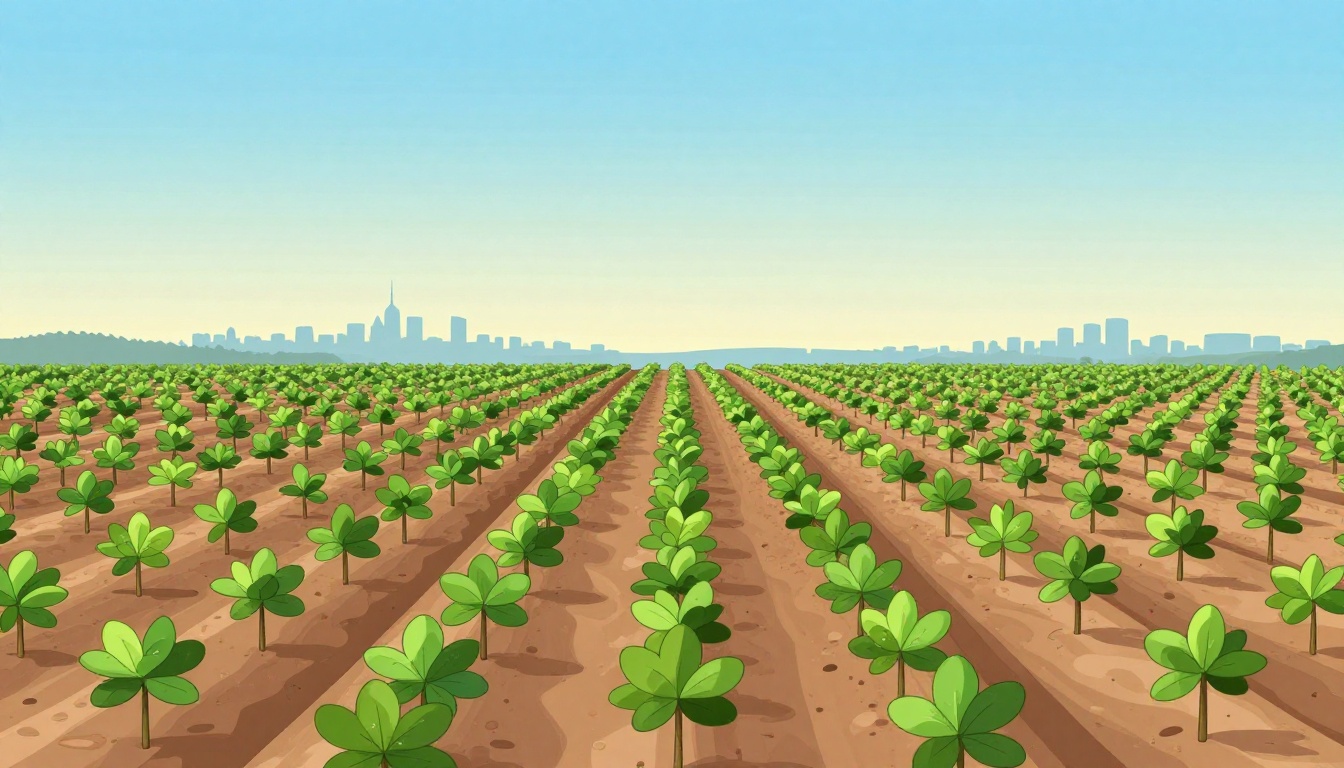
Forests once blanketed over half of Earth’s land surface. Today, we lose them at a rate of 10 soccer fields per minute. Deforestation drives climate chaos, biodiversity loss, and soil ruin.
Afforestation steps in as a smart fix. It means planting trees on land bare of forests for decades, unlike reforestation, which replants cleared woods. In 2026, amid record heat and storms, this practice gains urgency. Trees fight back by sucking up carbon dioxide, sheltering wildlife, holding soil steady, regulating water, and scrubbing air clean.
Global forests pull in about 16 billion metric tons of CO2 yearly on average. Yet fires and drought cut that sink by 75% in tough years like 2023. Afforestation rebuilds these vital stores on degraded spots. It offers real hope. This article breaks down why afforestation stands essential for environmental health.
How Afforestation Captures Carbon and Battles Climate Change
Trees act like nature’s vacuums. They grab CO2 from the air during photosynthesis. Leaves turn that gas into energy, while trunks, branches, and roots lock it away for decades or centuries.
New forests on barren land ramp up this process. Young trees grow fast and store carbon quickly. As they mature, they hold even more. For example, a single mature tropical tree can stash up to 22 kilograms of CO2 each year. Worldwide efforts could capture massive amounts if done right.
Afforestation shines as cost-effective. It costs less than tech fixes for emissions. Still, experts agree protecting old forests matters most first. Planting comes next on spots like old farms or mines.
Recent data shows promise. US forests now store record carbon thanks to planting and growth boosts from CO2 and rain. The US Forest Service details key findings on enduring forest carbon sinks. Check their policy insights for more.
Here’s a quick look at top stats:
- Forests absorb 16 billion metric tons CO2 yearly on average, about 30% of human output.
- US tree planting adds extra storage yearly, despite climate threats.
- Full restoration on non-farm land could grab 226 gigatons total.
These numbers highlight afforestation’s punch against warming.
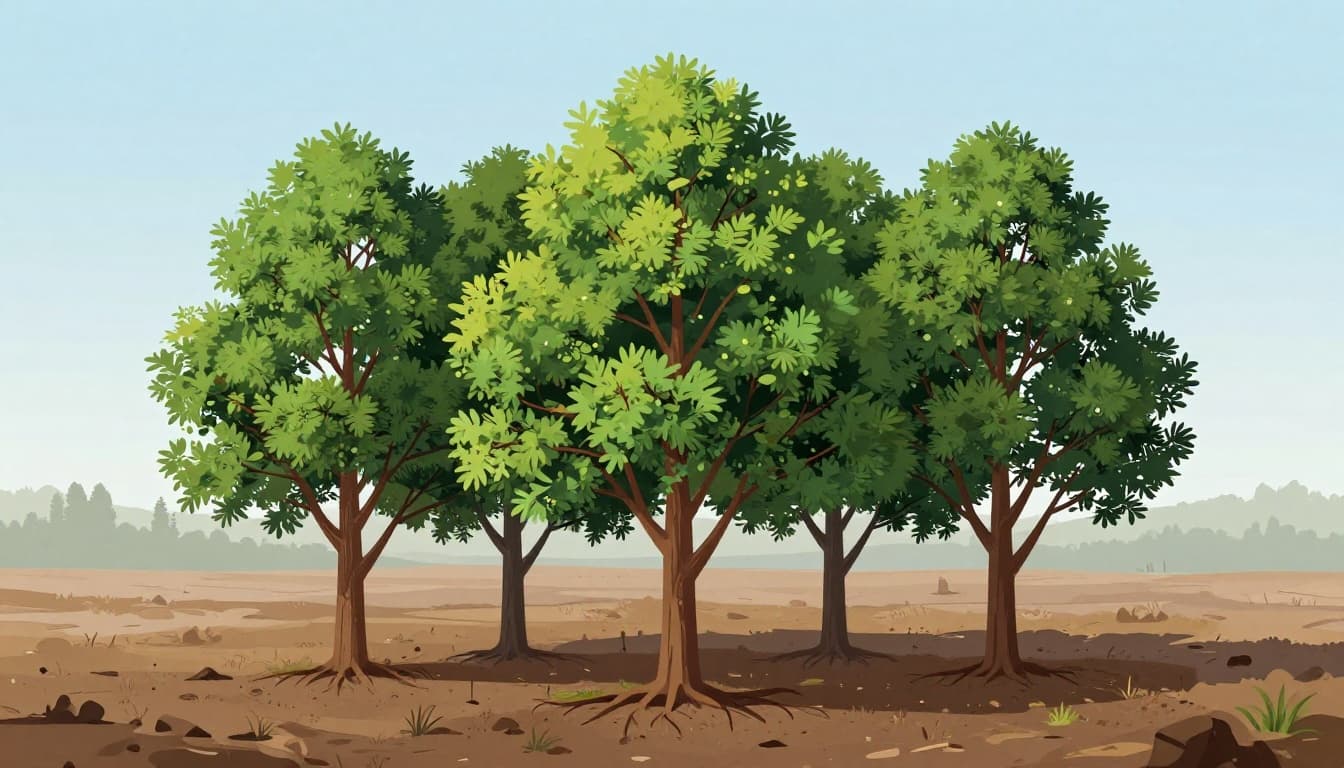
The Power of Trees as Giant Carbon Sinks
Photosynthesis powers it all. Sunlight hits leaves. Chlorophyll splits water and CO2. Trees build sugars and release oxygen. Excess carbon stays trapped in wood and soil.
Roots push carbon deep underground. That storage lasts longest. One study predicts reforestation-like efforts could sequester two petagrams in US topsoils over a century. In addition, soil under new trees builds organic matter fast.
Global sinks weakened lately. Fires turned some woods into CO2 sources. Afforestation counters this by creating fresh sinks on safe land.
Real-World Impact on Global Warming Limits
Restoration efforts could supply one-third of cuts needed to limit warming below 2C. Policies push this forward. The February 2026 Farm Bill pays farmers to afforest farmland. It boosts tree cover nationwide.
Meanwhile, human planting already helps US forests outpace past storage. However, droughts slow growth in spots. Smart afforestation targets resilient sites.
Lessons from Recent Studies on Long-Term Benefits
Soil carbon varies by site. Older forests hold more overall. Planting pines on grasslands might lose some soil carbon at first. That’s why experts pick degraded land.
Balance matters. Native mixes store carbon steadily without drawbacks. Recent reports stress this for lasting gains.
Building Thriving Ecosystems and Saving Wildlife
Afforestation rebuilds homes for countless species. Bare land turns into layered habitats. Trees draw birds, mammals, insects, and fungi. Canopies offer nests; understory hides prey.
Tropical moist forests pack the most biodiversity punch. They store carbon too. Yet planting must fit the land. Grasslands host unique natives. Converting them harms those species.
A February 2026 global study warns against monocultures. Single-species plots cut diversity. Instead, native mixes on old mines or farms work best. Precision planting could halve land needs by 2050.
Success stories abound. In the US, projects revive pollinators and birds. Songbird numbers climb in new woods. Bats find roosts. These chains support whole food webs.
Creating Homes for Endangered Species
Endangered birds thrive in restored spots. Woodpeckers drill new nests. Owls hunt rodents below. Insects boom, feeding all.
Biodiversity hotspots benefit most. One project in the Midwest brought back rare orchids and butterflies. Animals return fast when food and shelter arrive.
Avoiding Pitfalls to Maximize Wildlife Wins
Monocultures flop for wildlife. They lack variety. Grassland conversion displaces locals like prairie dogs.
Best practices use natives. Pair planting with natural regrowth. This boosts species count quickly.
Shielding Soil from Erosion and Boosting Fertility
Trees blanket soil like a shield. Canopies catch heavy rain. Fewer drops hit ground hard. Roots grip earth on hills and banks.
Leaves fall and rot. They add nutrients. Farmers gain fertile fields nearby. Landslides drop where trees anchor slopes.
Degraded sites shine here. Old farms regain topsoil. US efforts show planting prevents billions in erosion damage yearly.
For example, riverbanks stay put. Floods carry less dirt away.
Roots and Leaves Working Together Against Washouts
Canopies intercept rain. Up to 30% evaporates before reaching soil.
Roots bind particles. They channel water down safely. Fallen leaves build humus. It holds moisture and feeds microbes.
Together, these stop gullies and dust.
Balancing Water Flows and Purifying Supplies
Trees soak up rain. They release it slowly. This curbs floods downstream. Roots pull pollutants too.
New forests steady the water cycle. They recharge aquifers. Droughts hurt less with steady flow.
Mangroves lead coastal work. They cut storm surges by 66%. Waves lose power against roots.
Urban trees cool streets. They filter runoff for cleaner streams.
Preventing Floods and Droughts Naturally
Heavy rains soak in. Roots hold water. Dry spells draw from deep reserves.
This balance aids farms and cities alike.
Coastal Defenses with Mangrove Plantings
Mangroves trap sediments. Storms weaken by two-thirds.
US Gulf projects prove it. They save billions in damage.
Clearing Pollutants for Fresher Air Everywhere
Trees snag tiny particles. They trap nitrogen oxides and sulfur dioxide. Ozone drops near leaves.
Urban stands cut particulates 24% by buildings. Lungs breathe easier. Asthma falls.
Health wins follow. Kids play outside more. Workers stay sharp.
This goes beyond carbon. It’s daily air refresh.
Afforestation delivers big wins across the board. It fights climate change with carbon sinks. Wildlife rebounds in new homes. Soil holds firm; water flows steady; air turns crisp.
Do it right, though. Plant natives on degraded land. Avoid grasslands. The 2026 Farm Bill opens doors for US farmers.
Support local projects. Plant a tree yourself. Watch global trends like faster growth. Diversity seals the deal. Our planet needs these forests now. What step will you take today?