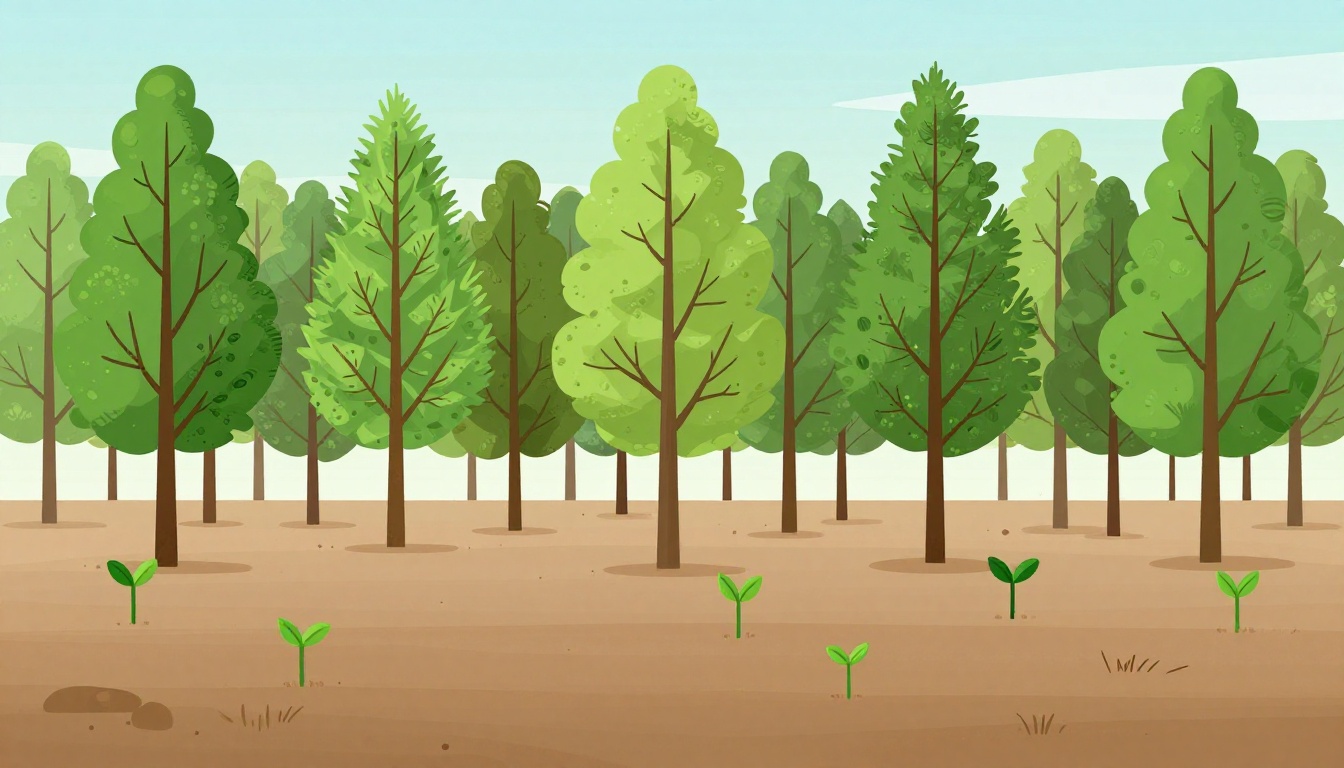
Rising temperatures scorch crops. Ecosystems collapse under droughts. You see barren lands where forests once stood. These crises demand action now.
Afforestation means planting trees on land that never had forests before. It differs from reforestation, which replants cut areas. This approach fights multiple threats at once. Trees capture carbon, stabilize soil, boost wildlife, fix water flows, and clean air.
Recent data shows promise. The UNEP estimates afforestation could cut global emissions by 8.8% by 2035. IPCC reports suggest forests might prevent 7.3 gigatons of CO2 yearly. In 2026, projects tie into net-zero goals across the US and beyond.
You will discover how afforestation tackles these issues. Smart planting turns problems into progress. Let’s explore the biggest wins.
Battling Climate Change Through Carbon Capture and Cooling
Trees suck up CO2 like sponges. They store it in trunks, branches, and roots for decades. This process slows warming. Afforestation expands these natural carbon sinks on open ground.
Photosynthesis powers it all. Leaves grab CO2 from air. Roots lock carbon in soil. Younger forests grow fast, so they absorb more at first. Mature ones hold it long-term.
Location counts too. Tropical trees cool better than northern ones. They reflect less sun and release more water vapor. An ETH Zurich study found small tropical plots match large boreal areas in cooling power.
Mass planting risks failure. Pests hit monocultures hard. Fires wipe them out. Smart plans mix species and sites. In 2026, US Forest Service projects in Tennessee and Washington restore acres yearly. They build resilient forests for net-zero paths.
Analogy time: Trees act as Earth’s vacuum cleaners. They pull pollution and spit out oxygen.
Benefits include:
- Reduced heatwaves because shade cools ground.
- Slower sea rise from less trapped heat.
- Stable weather patterns over time.
These efforts align with global pledges. They help nations hit emission targets.
The Science Behind Faster Forest Recovery
Soil nitrogen speeds things up. A University of Leeds study tracked plots in Central America. They found nitrogen doubles tropical regrowth in the first 10 years. Trees grow taller and thicker as a result.
Natural recovery lags without it. Deforestation strips nutrients. Bare soil loses nitrogen to rain. Fertilizers help, but locals prefer natural fixes.
Planters add nitrogen-fixers like legumes. These pull nitrogen from air. Bacteria in roots convert it for all plants. So, forests rebound quicker.
Compare it to gardening. Good soil feeds plants fast. Poor dirt starves them. Afforestation mimics this with science.
This ties to climate wins. Faster growth means quicker carbon pull. Projects now test these methods worldwide.
Halting Soil Erosion and Restoring Degraded Lands
Bare slopes wash away in storms. Rain strips topsoil. Farmers lose fields. Landslides bury homes. Afforestation stops this cycle.
Tree roots grip soil like anchors. They spread wide and deep. Water slows down. Sediment stays put. Forests rebuild fertility over time.
Nitrogen boosts help here too. That Leeds research shows quicker cover on slopes. Grasses and shrubs follow trees. Full canopy forms soon.
Only pick right spots. A 2025 analysis pegs 195 million hectares as ideal globally. Strategic planting beats random efforts.
China’s shelterbelt program proves it. Long-term data tracks less erosion and more carbon. US farms gain too. Restored lands yield better crops.
Picture hills turning from dust bowls to green blankets. Communities harvest timber and fruits. Desert edges retreat.
Farmers win big. Soil holds water longer. Yields rise 20-30% in spots. No more silt-choked rivers.
This restores what logging and farming broke. It builds land for generations.

Safeguarding Biodiversity in a Changing World
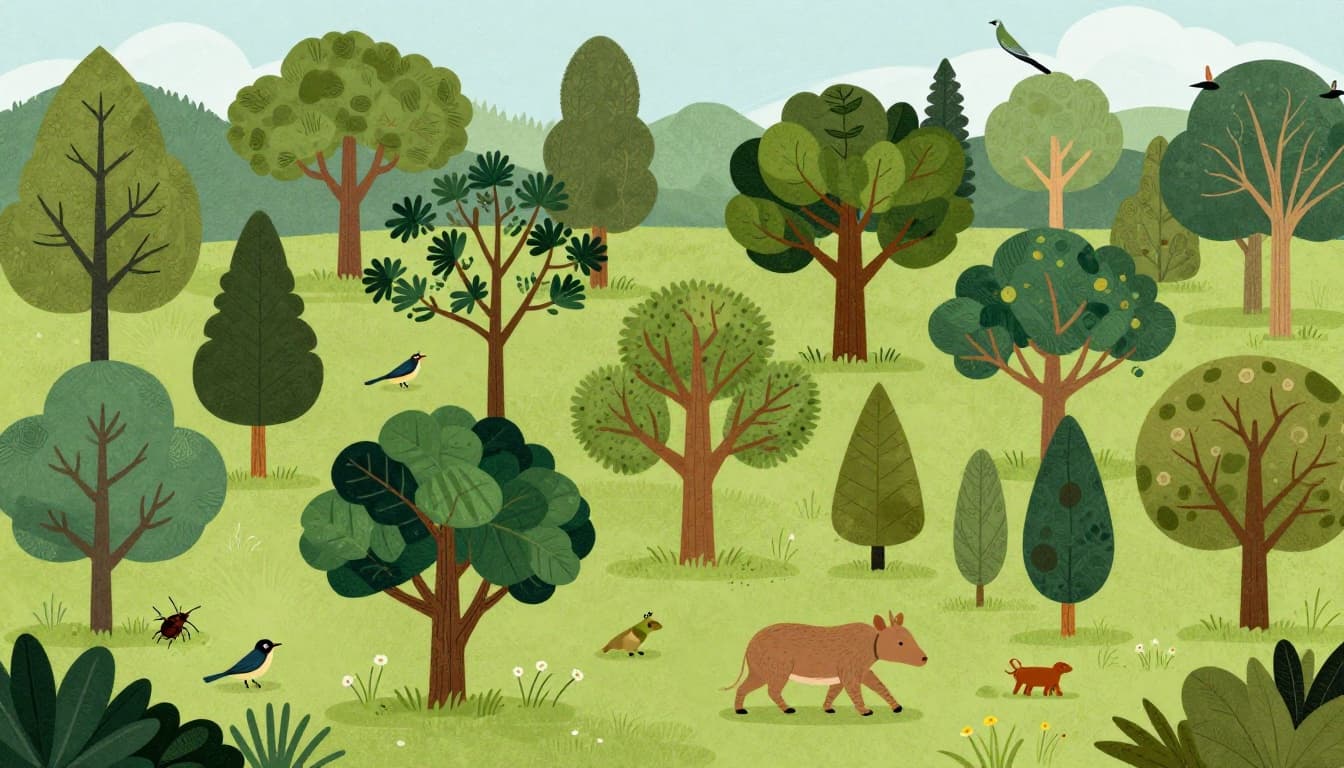
Forests house millions of species. Afforestation creates homes. It boosts insects, birds, and mammals. Diverse plantings work best.
Wrong choices harm though. Plant eucalyptus on grasslands? It chokes natives. A Mongabay report on a global study maps hot spots. Tropical moist areas shine for both carbon and life.
Fast-growers dominate many projects. They store carbon quick but shade out slow locals. Balance matters. Mix natives for habitats.
Environmental Research Letters notes variation by biome. Moist tropics gain most. Savannas lose if overplanted.
2026 trends push dual goals. US initiatives like New York’s 25 million trees favor locals. They support bees and bats.
Failed tales warn us. Monoculture plots in Brazil drew few birds. Diverse ones buzzed with life.
Pick natives. They fit soil and pests. Pollinators flock back. Food webs strengthen.
Success means healthier chains. More seeds spread. Animals thrive.
Picking the Right Spots to Avoid Ecosystem Damage
Shrublands flop for trees. They host unique plants. Grasslands too. Stick to degraded farms or pastures.
That 195 million hectare figure guides us. Maps show safe zones. Match species to climate.
Tips include soil tests and local input. Avoid biodiversity hubs. Then, life flourishes.
Improving Water Cycles, Air Quality, and Community Well-Being
Trees shape rain. Leaves catch drops. Roots sip excess. Aquifers refill slow and steady.
Floods drop because soil absorbs more. Droughts ease with steady flow. In Tanzania’s valleys, agroforestry holds water for crops.
Air cleans up too. Foliage traps dust and smog. Beyond CO2, it grabs particulates. Cities cool under canopies.
Communities gain jobs. 2026 US grants fund urban trees in Florida and Wisconsin. Columbia’s Trees4SC plants shade trees. Bills fall; health rises.
Brazil’s Indigenous projects plant 1.3 million. They sell seeds and fruits. Pride builds.
Denver and Boston add food forests. Poor areas get cool spots and fresh air.
Tie it together. Healthier water means better farms. Clean air cuts illness. Jobs lift towns.
These efforts scale. Urban trends grow in 2026.
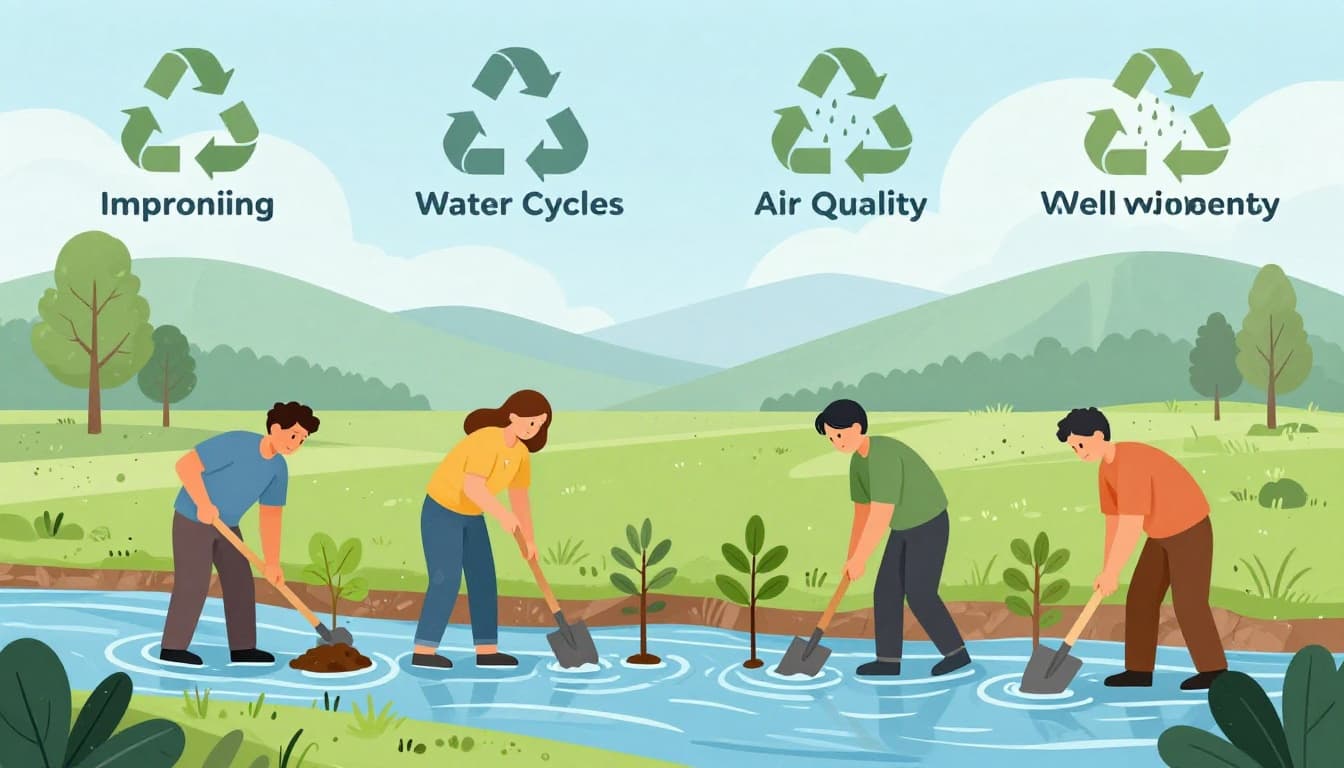
Afforestation hits climate, soil, biodiversity, water, and air hard. It cuts 8.8% of emissions by 2030s per UNEP. Roots hold earth; canopies shelter life.
US projects like Apple’s California restores push net-zero. Communities plant for jobs and clean flows.
Support local efforts. Plant a tree yard. Back policies for smart sites. You help heal land.
Smart afforestation builds a cooler, greener world. Act today for tomorrow’s forests.