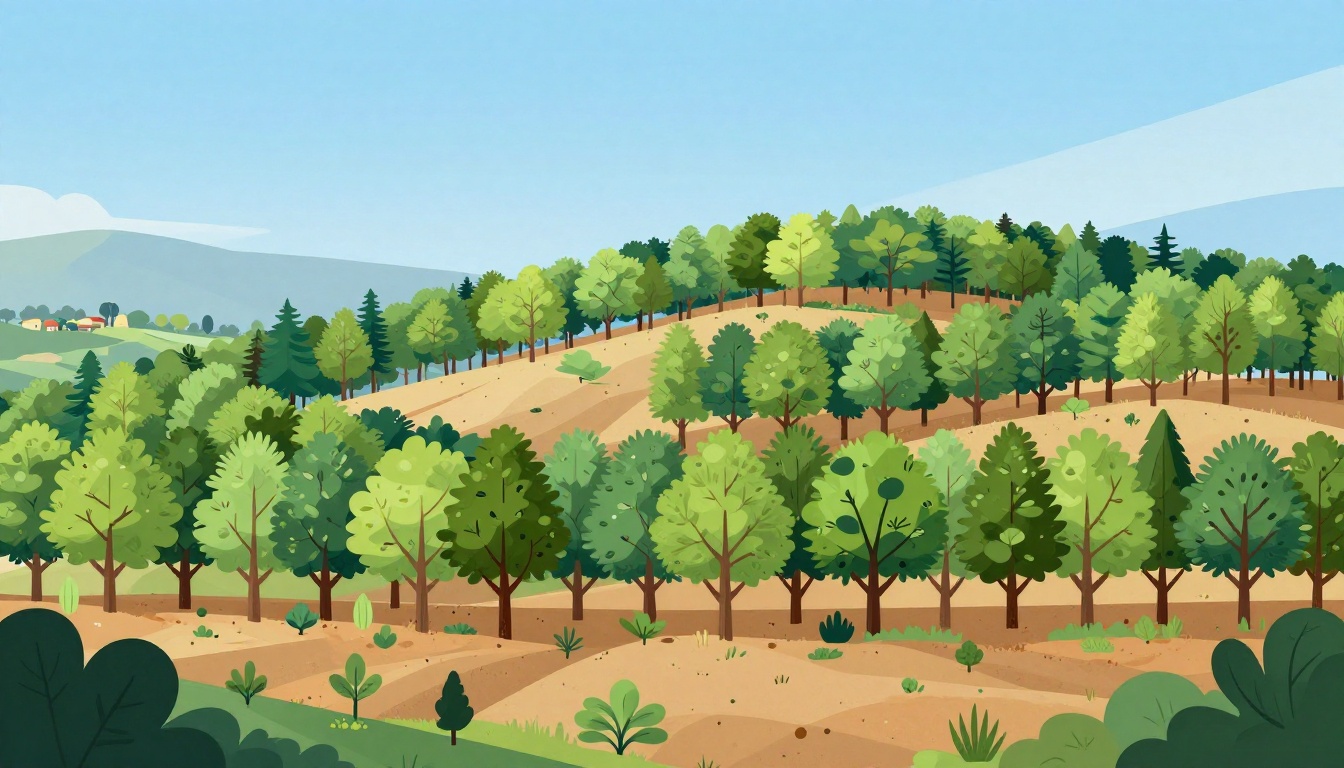
Picture a dusty hillside in Ethiopia, barren for decades. Then, communities plant millions of trees. Today, green covers 15 million hectares there. Afforestation means planting trees on bare or damaged land. It fights climate change, restores wildlife, and aids farmers with better soil and shade.
You might wonder if it works everywhere. Not quite. Success depends on the right spots. The Great Green Wall in Africa shows promise. It aims to restore 100 million hectares but hit 30% by 2024, with Ethiopia leading. We’ll explore prime places like drylands and cities. You’ll see stories from 2026 projects. Plus, key factors and pitfalls. Afforestation thrives where climate, soil, people, and planning align perfectly.
Prime Landscapes and Climates Where Trees Take Root and Thrive
Trees need specific conditions to grow strong. Ideal spots get 400 to 800 millimeters of rain yearly. That’s about 16 to 31 inches. Soils like loess or clay hold moisture well. Native species adapt fast and resist pests.
Drylands and savannas top the list. These areas battle desert creep. Urban edges offer quick wins too. Mountains, wetlands, and riverbanks use natural water. Avoid true deserts without irrigation. Grasslands alone often fail for full forests.
Here’s a quick look at key biomes and tips:
| Biome | Rainfall (inches/year) | Best Trees | Key Tips |
|---|---|---|---|
| Drylands | 10-20 | Acacia, drought-hardy | Amend soil, start small patches |
| Savannas | 20-40 | Baobab, acacia mixes | Fire-resistant, boost infiltration |
| Urban | 30+ | Native oaks | Dense clusters, early irrigation |
| Mountains | 30-60 | Pine, fir on slopes | Terracing against erosion |
| Wetlands | 40+ | Willows, mangroves | Leverage natural water hold |
This table draws from 2026 studies on biome matches. For example, scaling to 20% coverage in a 10×10 km flat area sparks local rain cycles.
Drylands and Savannas: Battling Desert Spread with Tough Native Trees
Sahel regions in Africa shine here. Semi-arid spots with 250 to 500 mm rain suit acacia and grasses. Communities add manure or mulch to sandy soils. This holds water and feeds roots.
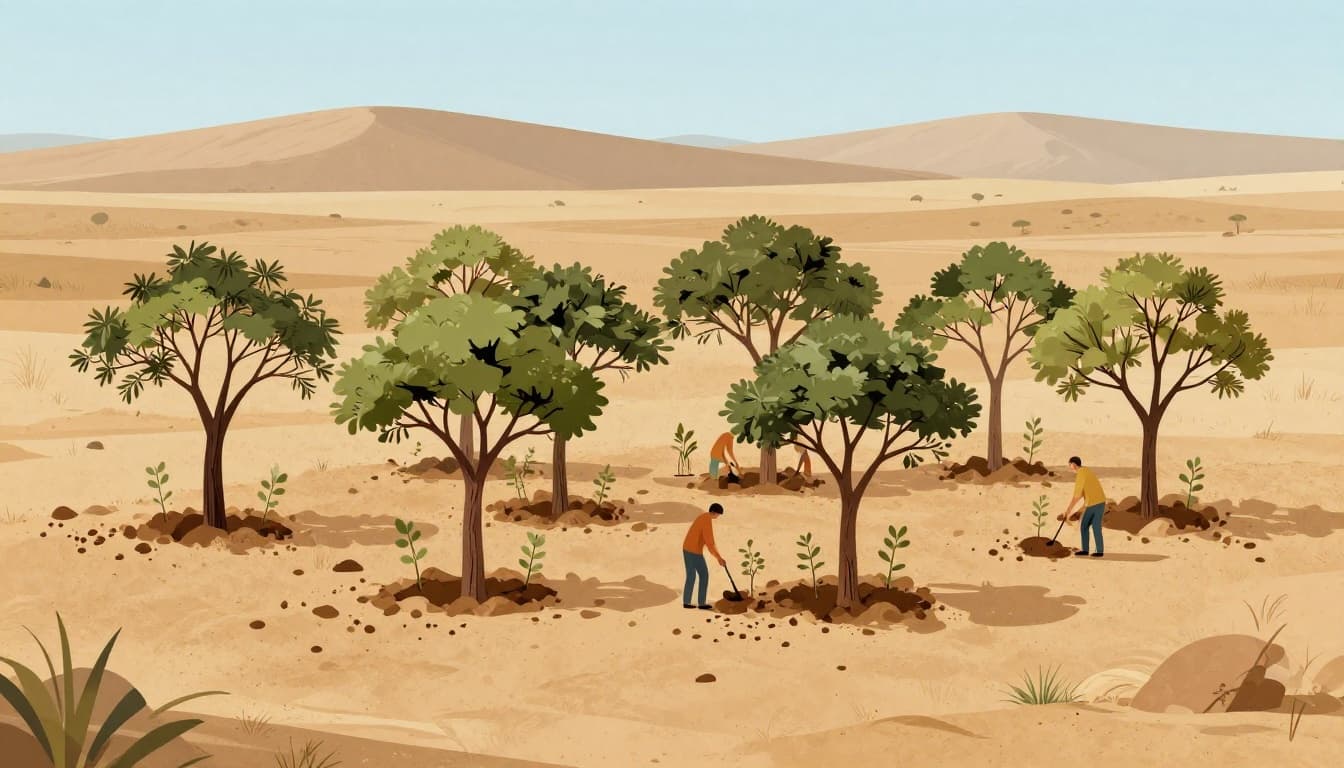
Gentle slopes help too. Water runs less, stays longer. The Great Green Wall initiative proves locals maintain these belts best. Survival jumps with their care.
Urban Edges and Cities: Quick Greening with Fast-Growth Methods
Cities crave green lungs. Spots with over 750 mm rain work well. Kenya’s 2025 Miyawaki forests grew 10 times faster. Plant natives densely, three per square meter.
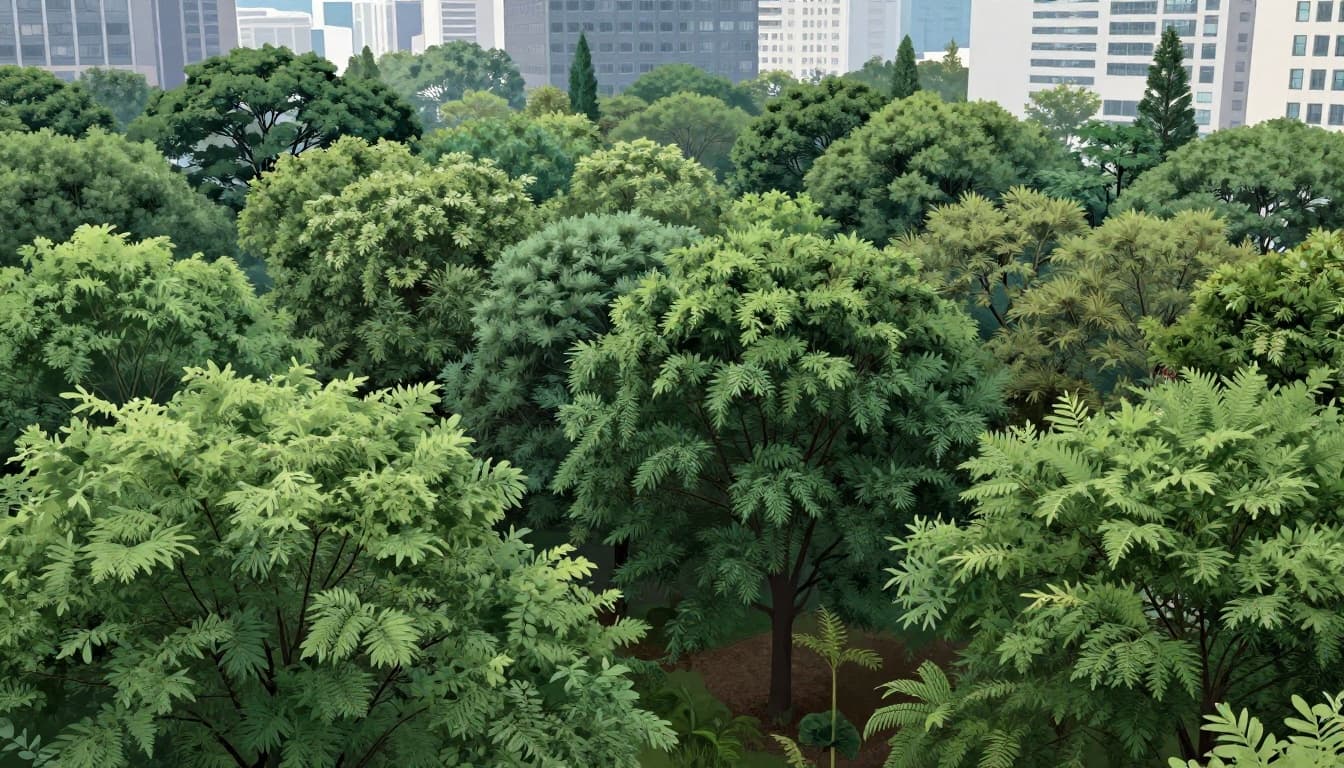
These cool air by 5 degrees Celsius. Biodiversity booms near concrete. Early watering seals the deal.
Mountains, Wetlands, and Riverbanks: Nature’s Water Boosters
Natural moisture rules these areas. Riverbanks in Uganda’s old mining pits greened fast. Terracing on Peru slopes cuts erosion. Wetlands hold floodwater, feed trees.
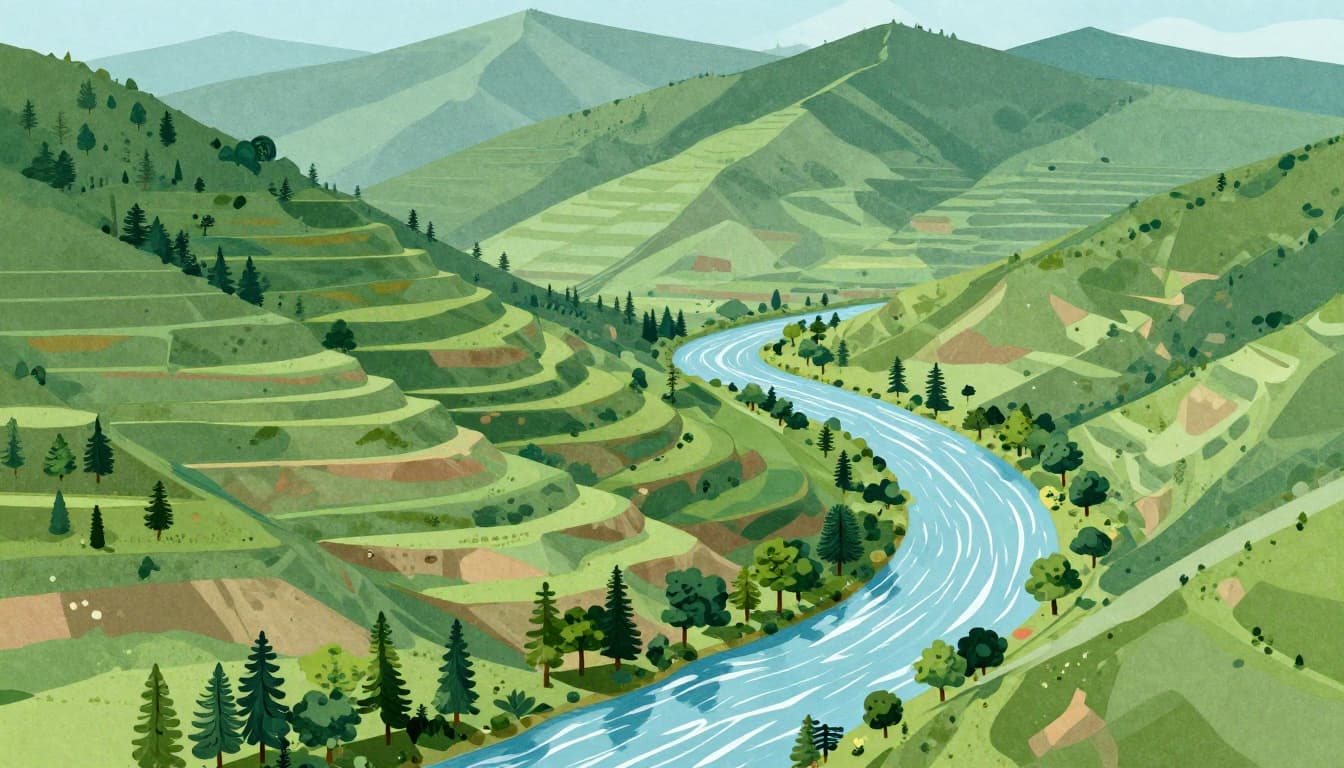
Besides, forests here boost local rain. One hectare releases millions of liters of vapor yearly.
Real-World Wins: Top Afforestation Projects Lighting the Way
Projects prove these spots deliver. Ethiopia reclaimed 15 million hectares by planting 5.5 billion seedlings. China’s Loess Plateau turned dust to farms. India’s drives hit billions of trees. Locals drive success with tech like satellites for tracking.
Communities earn from fruits or timber. Youth lead many efforts. These stories motivate because they show real change.
Africa’s Great Green Wall: Communities Holding Back the Sands
This belt spans 11 countries. By early 2026, it restored 30 million hectares total. Ethiopia planted most. Senegal added 11 million trees by 2020, creating jobs. Nigeria hit 4.9 million hectares early on.
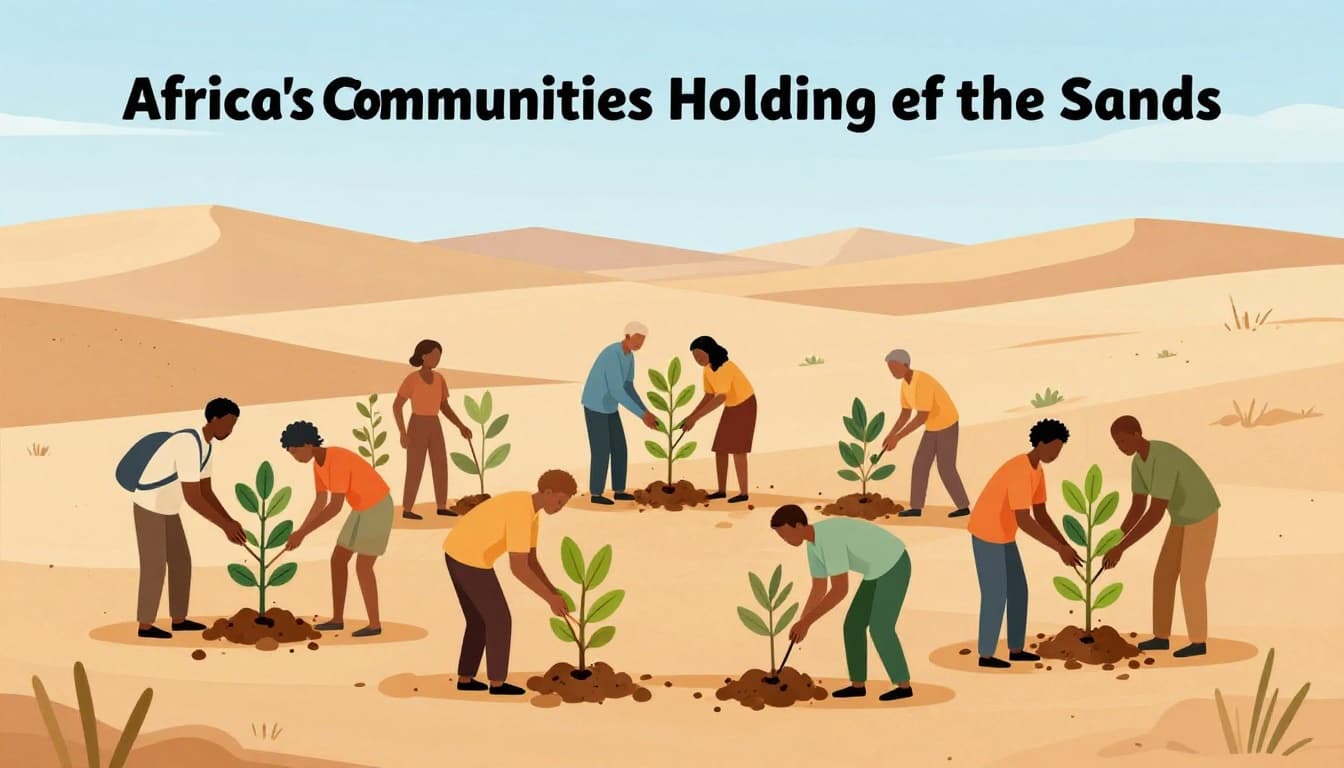
Funding lags, but pilots fed 32,000 people. Satellites confirm greening, not just counts. Learn more at the project’s site.
China’s Loess Plateau: From Dust to Forests and Farms
Since 1999, this effort covered 640,000 square kilometers. By 2024, forests grew 13,131 square kilometers. Bare land shrank by 65,029 square kilometers. Farmers switched to terraces and trees.
Floods dropped sharply. Soil holds water now. Incomes rose with sustainable crops. A 2026 report on China’s green efforts highlights carbon gains too.
Asia and Latin America Stars: India, Brazil, and Beyond
India planted 350 million saplings in Uttar Pradesh for 2026. Punjab’s billion-tree push added 3.35 million natives, storing 36,000 tons of carbon. Cauvery Calling aids riversides.
Brazil cut Cerrado deforestation with protections. Uganda restores pits near wetlands, though data stays sparse. COP30 funds boost these.
What Makes Afforestation Stick: Proven Factors and Traps to Skip
Natives beat exotics. They fend off pests. Locals guard plots and harvest benefits. Mix trees with crops for income. Satellites track growth. Certifications like forest standards add value.
Yet, mismatches kill projects. Monocultures die to disease. Dry spots without water fail. Trends show youth and dense methods win. Global deforestation fell 38% since 1990 partly from these.
Choose Natives, Involve Locals, and Monitor Progress
Kenya’s Miyawaki uses 30 species densely. Uganda certifies corridors. Communities in drylands amend soils first. Then, monitor with apps. This raises survival to 90%.
Steer Clear of Monocultures and Mismatched Spots
Single species crash fast. Irrigation dries out without sources. Savanna grasses often outlast trees there. Pick biomes wisely, as this Nature study on forest spots advises.
Afforestation works in drylands, savannas, urban edges, and wet areas with water. Stories like the Great Green Wall and Loess Plateau prove it. Keys include natives, locals, and monitoring.
Support a project today. Plant in your yard. Share these successful afforestation sites worldwide. By 2030, smart spots could green vast lands. You can help make it happen. What’s your next step?