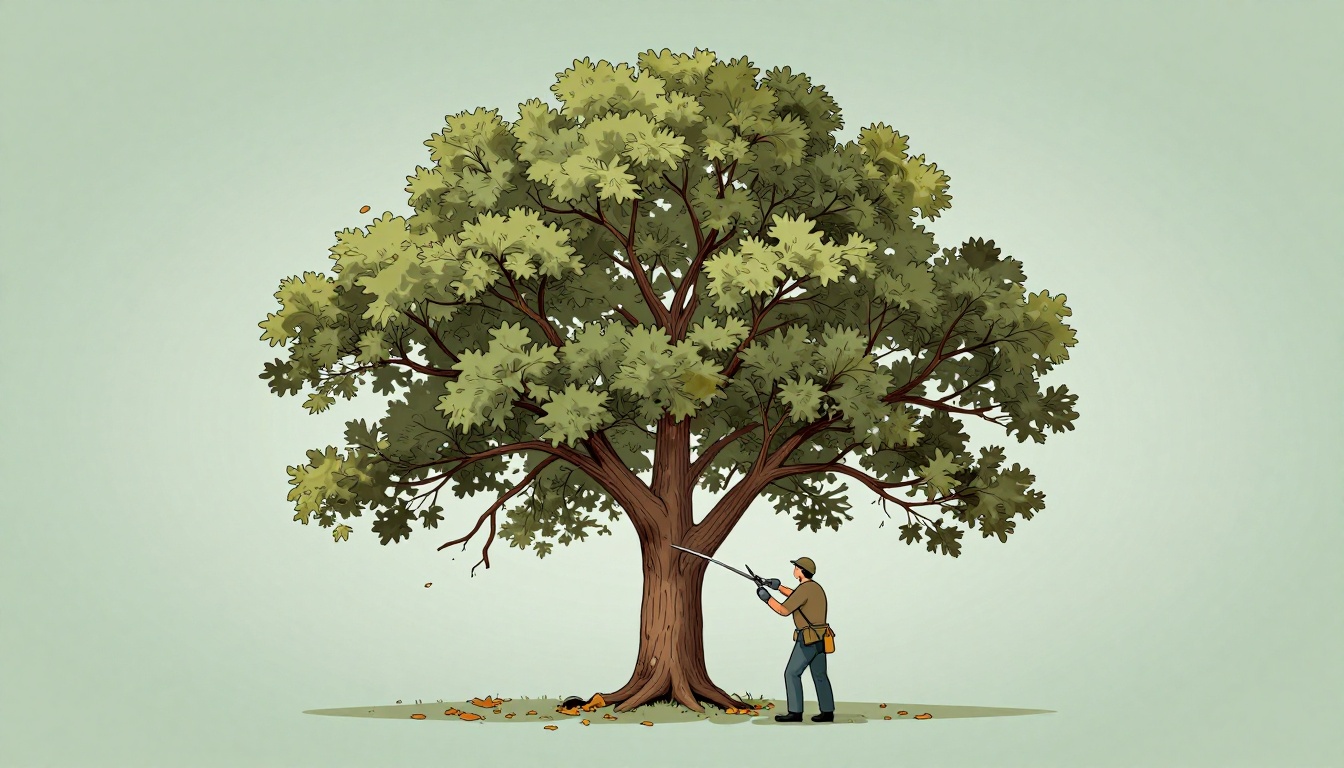
Picture your favorite oak in the yard after a big storm. Branches hang loose, some look dead, and others rub together. You wonder if it’s time to grab the shears. Pruning keeps trees strong, safe, and good-looking. It boosts fruit on apples or peaches and raises curb appeal. But cut at the wrong time or wrong way, and you risk disease or weak spots that break later.
This guide draws from 2026 advice by arborists, University of Georgia Extension, and Arbor Day Foundation. You’ll learn signs to watch, best times by tree and spot, tools to use, steps to follow, mistakes to skip, and payoffs. Homeowners can do small jobs safely. Let’s get your trees thriving.
Spot the Telltale Signs Your Trees Need a Trim
Walk your yard twice a year. Look up close after storms or in winter when leaves drop. Dead limbs invite bugs and weaken the whole tree. Rubbing branches tear bark over time. Crowded spots block air and sun, so disease spreads fast.
Spot these clues early. Brittle twigs snap easy. Discolored wood means rot inside. Branches crossing create V-shapes that fail in wind. Narrow angles under 45 degrees form weak crotches. Vertical shoots pack the center tight. Growth near power lines or roofs spells danger.
For more on these visual cues, check Davey Tree’s guide to pruning signs.
Dead or Diseased Branches First
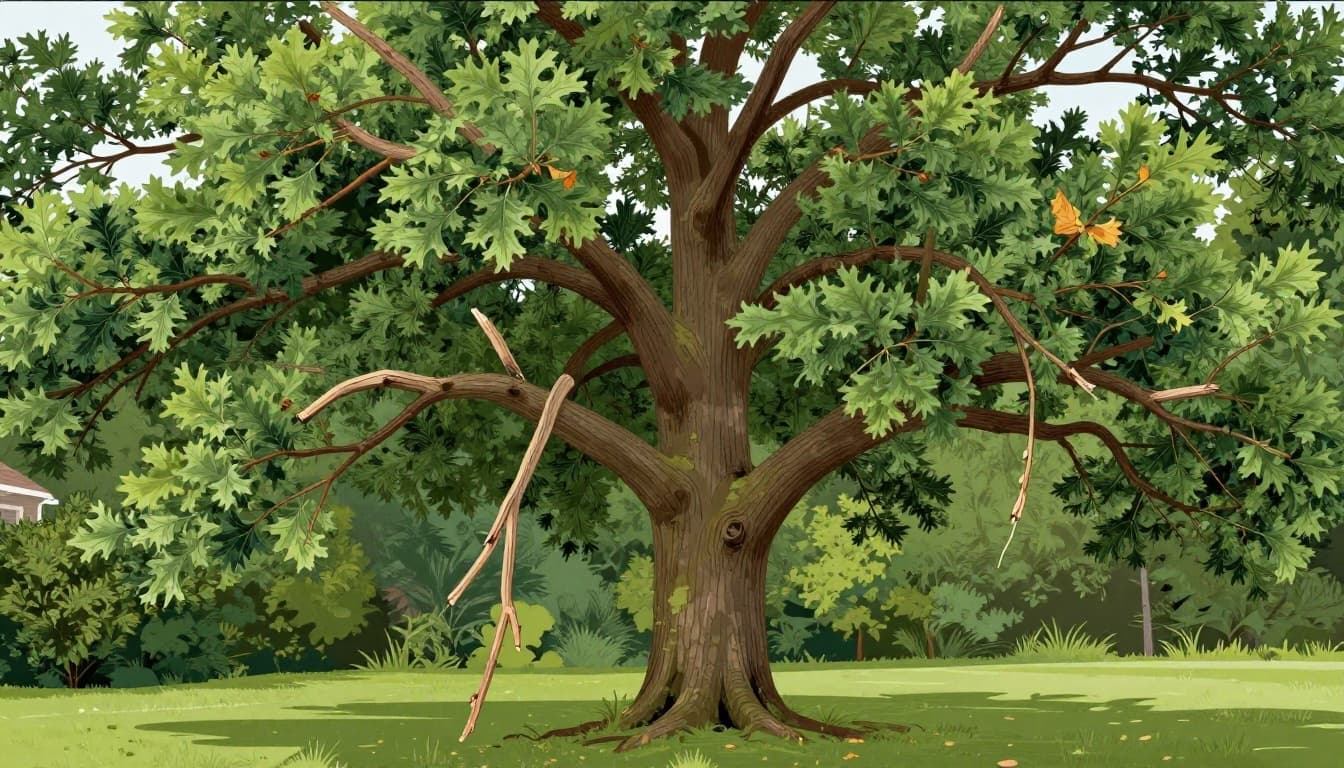
Start here because they hurt most. Dead wood turns brittle and dark. No leaves grow on it. Diseased parts show spots, ooze, or bugs. Pests hide under bark.
Ignore them, and trouble spreads. The tree wastes energy on sick spots. Remove these first to save strength for healthy growth. Check after every storm. Snip small ones yourself. Call pros for big reaches.
Problematic Growth Patterns
Crossing limbs rub raw spots. They form tight angles that snap in gusts. Crowded tops starve lower branches of light. Weak attachments look like a pinched hose at the trunk.
These patterns build bad structure. Storms turn them into hazards. Thin them out to open space. Your tree stands taller and safer as a result.
Time It Right: Best Seasons for Pruning by Tree Type and Region
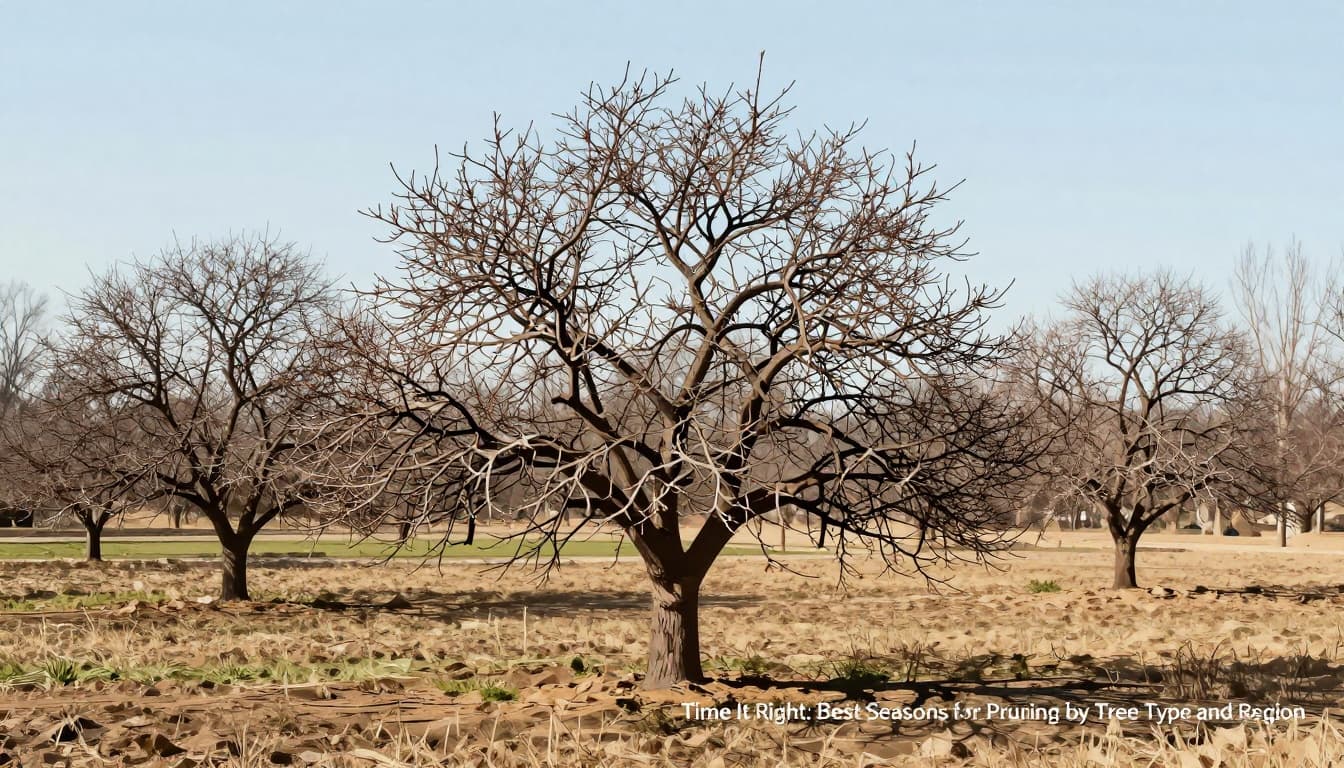
Dormant time rules for most trees. Late winter hits January to early March. Buds stay closed then. Cuts heal fast with low stress. Disease stays low because sap doesn’t flow.
Tailor by type. Watch local weather too. Freezes or early warms shift plans. OSU and USDA extensions say check county offices. In April 2026, finish big cuts before heat. Fruit trees work now, but skip oaks to dodge wilt.
See a 2026 pruning calendar for Georgia trees.
Deciduous and Fruit Trees
Oaks, maples, apples, peaches love late January to February. No leaves mean clear views. Structure shows plain. New growth surges strong come spring.
Fruit types gain big yields this way. Prune at dormancy’s end. University of Georgia notes mild spots like Georgia or Southern California fit this. Pears follow suit.
Flowering Trees and Evergreens
Spring bloomers wait till petals drop. Dogwoods or cherries keep flowers first. Evergreens take light trims in winter. Palms need local pros.
Vigorous growers slow in summer if disease risks stay low. Check pathogens before cuts.
Regional Tweaks for Success
Georgia sees late January action. Mild winters help. California adjusts for no hard freezes. Orange County prunes oaks November to March only.
OSU pushes February-March for clear healing. USDA warns of 2026 shifts from odd warms. Always ask locals. April wraps fruit trees before summer stress.
Gear Up with the Right Tools and Safety Essentials
Sharp tools make clean work. Dull ones tear and invite bugs. Clean between trees with alcohol. Safety gear saves lives.
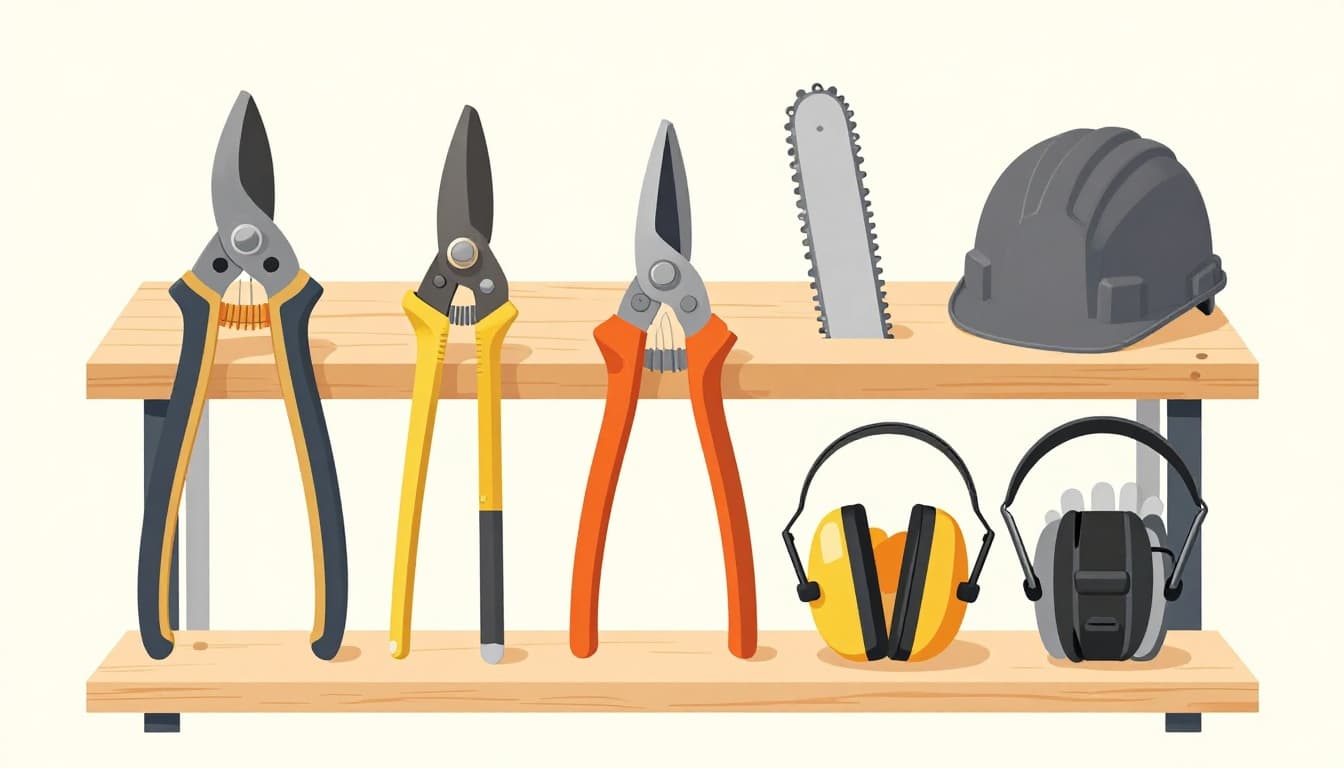
Pick bypass shears for twigs under half-inch thick. Loppers handle up to two inches. Hand saws cut medium limbs. Pole pruners reach high without ladders. Small chainsaws tackle big jobs, but pros prefer them.
Wear helmet, gloves, goggles, chaps, and ear protection. Sturdy boots grip ground. For heights over 10 feet, use pros.
Learn more about essential pruning tools from Better Homes & Gardens.
Prune Smart: Your Step-by-Step Guide to Great Results
Step back first. See the big picture. Note goals like more light or safe paths. Plan cuts for natural shape.
Dead and diseased go first. Then thin the crown. Air and sun flow better. Raise low limbs for mowers. Reduce tops but keep form. Target weak spots in dormancy.
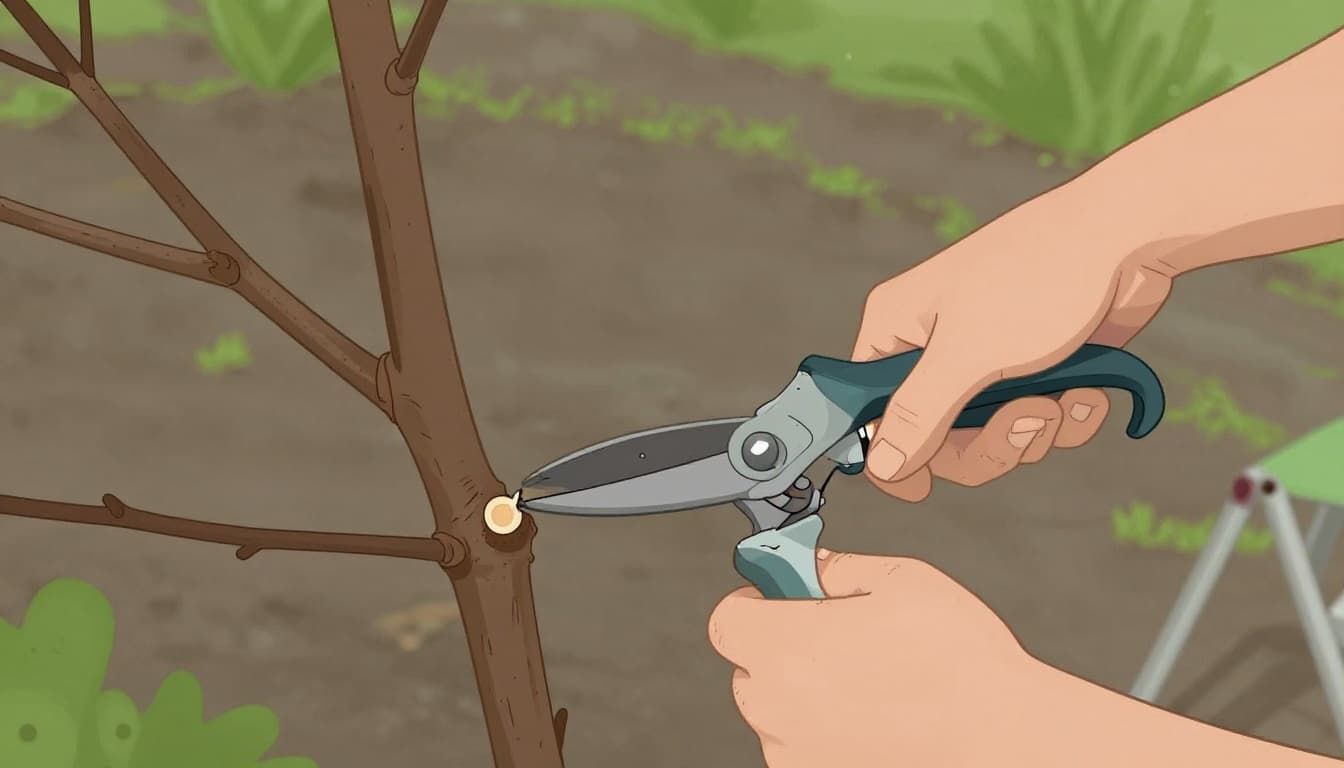
Cuts matter most. Snip outside the branch collar. That swell heals fast. Slant cuts shed water. No stubs or flush cuts. They rot easy.
Plan and Prioritize Your Cuts
Assess from ground up. Mark hazards red. Goals guide next, like fruit boost. Start low, work high. Step back often.
Master Clean Cuts and Pruning Types
Branch collar cuts rule. Thinning opens space. Raising clears walks. Reduction shortens leaders. Avoid flush to bark. 2026 pros push angled heals.
Finish Strong Without Overdoing It
Never take over 25 percent wood. Check balance side to side. Watch healing next months. Water and mulch help recovery.
Dodge These Traps: Pruning Mistakes That Hurt Your Trees
Topping chops tops flat. Weak sprouts follow and fail. Active growth invites bugs through open cuts. Dull tools rip bark bad.
Wrong angles leave stubs. Over-pruning starves roots. Big trees near lines need pros. Heights risk falls.
Arborists in 2026 stress this: call certified help when unsure. See common mistakes from Independent Tree.
Harvest the Rewards of Proper Tree Pruning
Healthy trees redirect energy right. Storms hit less because structure strengthens. Airflow fights pests natural.
Yards look sharp, homes gain value. Fruit trees load up crops. Pair with water and feed for max wins.
Timing, tools, and steps pay off big. Check how pruning boosts tree health.
Spot signs like dead limbs or rubs now. Prune in dormant season by your tree and region. Grab sharp tools and gear up safe. Follow steps, skip traps.
Head out this April 2026. Inspect your yard. Trim small jobs or book an arborist. Share your before-and-after in comments. Your trees thank you. Pass this to neighbors.