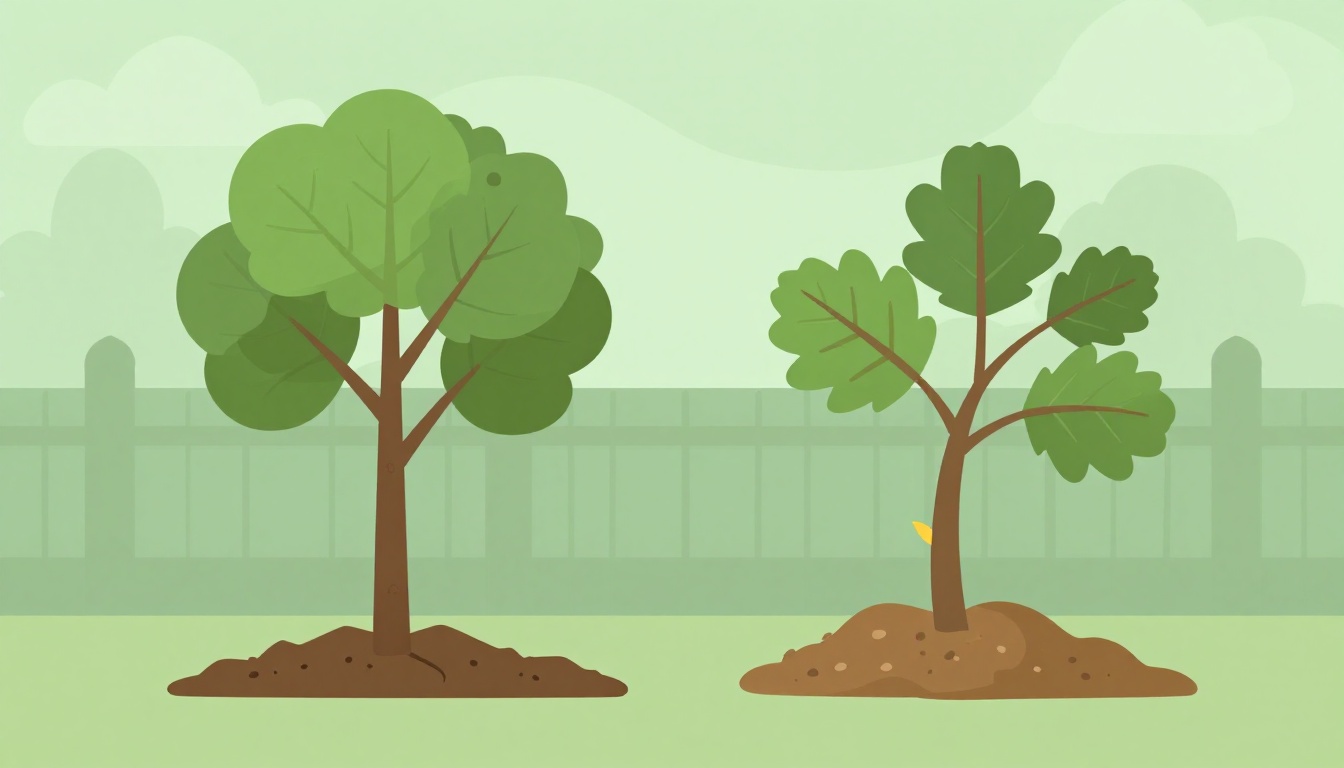
Picture this. You plant a young oak in your front yard for that perfect shade spot. Two years later, it leans and drops leaves early. Turns out, a few common mistakes in tree care doomed it from day one. Healthy trees boost your home’s curb appeal, cut energy bills with shade, and raise property values by up to 20 percent.
Yet even in April 2026, arborists see the same errors. Homeowners bury roots too deep or prune at the wrong time. These slip-ups lead to weak growth, disease, or early death. The good news? Simple fixes exist.
This guide covers five top pitfalls. You’ll learn how to plant right, prune smart, water wisely, mulch properly, and spot trouble early. Follow these tips, and your trees will thrive for decades.
Planting Trees Too Deep or in the Wrong Spot
Bury the root flare, and your tree suffocates. That’s the swollen base where trunk meets roots. Soil over it blocks air and traps moisture. Roots rot, or they circle the hole instead of spreading. The tree starves and topples young.
Pick the wrong spot, and problems multiply. A fast-growing maple smothers your house foundation. Or a sun-lover wilts in shade. In 2026, warmer USDA zones mean some trees grow bigger than expected. Check the 2023 USDA Plant Hardiness Zone Map, still current, for your area’s fit.

Consequences hit hard. Stunted trees invite pests. They cost thousands to replace. Arborists report this as a top killer.
Spotting the Wrong Tree for Your Yard
First, match size to space. A 50-foot giant crowds a small lot. Measure mature height and width from the nursery tag.
Next, check soil and climate. Clay soils drown some species. Drought-tolerant ones shine in dry spots. Use your ZIP code on USDA tools for zone info. Zone 6b yards suit apples, not tropicals.
Soil test kits reveal pH issues. Most trees like 6.0 to 7.0. Amend if needed, but don’t overdo.
Observe neighbors’ successes. Local proofs beat labels.
The Right Hole Size and Depth Every Time
Dig as deep as the root ball. Make it two to three times wider. Loosen sides for root escape.
Position the flare at ground level. Or slightly above in heavy clay. Backfill native soil. No amendments near roots; they burn.
Water deeply after. Settle soil without air pockets. Stake only if windy, and loose.
This method boosts survival to 95 percent.
Pruning Cuts That Weaken Instead of Help
Wrong cuts open doors to decay. Topping chops the top flat. It sparks weak sprouts that snap in storms. Lion-tailing strips inner branches. Sun scorches the bare trunk.
Over-pruning zaps food-making leaves. Dull tools tear bark. Pests rush in.
Arborists in 2026 stress clean work. Remove no more than 25 percent of canopy yearly. Dull blades crush cells, invite fungi.

Hire ISA Certified Arborists for tall jobs. They use ropes and know codes.
Timing Your Prunes for Maximum Health
Prune dormant trees in late winter. Frost risk drops. New growth seals cuts fast.
Spring bloomers? Wait post-flower. Fruit trees need summer tweaks for shape.
Avoid summer heat. It stresses open wounds. Fall works in mild zones, but watch rot.
Cuts to Skip and Smart Ones to Make
Skip flush cuts. They miss the branch collar, that raised ridge. Decay enters.
Cut just outside it. Angle down 10 degrees. Thinning opens air flow.
Remove crossing rubs or dead stubs first.
Watering Errors That Drown or Dry Out Roots
Sprinklers meant for grass fool tree roots. Shallow drips keep them near surface. Drought snaps them.
Overwatering rots roots. Soggy soil starves oxygen. Bugs love the mess.
New trees need weekly deep soaks first year. Aim for drip line, outer branches. Mature ones? Every two weeks in dry spells.
Skip rainy weeks. Tailor to clay versus sand.

Arbor Day Foundation notes 10 to 15 gallons per trunk inch weekly for young trees. See their watering guide.
Signs Your Tree Is Getting Too Much or Too Little
Dry out shows in wilting leaves or cracked soil. Roots push up.
Too much? Yellow leaves drop. Mushrooms ring the base.
Probe with a screwdriver six inches deep. Dry? Water slow.
Mulching Blunders Like Volcano Piles
Volcano mulching piles high against trunks. Moisture traps rot bark. Roots grow up into mulch, circle, and starve.
Rocks heat soil. They compact and block water.
Right way keeps trees cool and fed. Organic mulch like chips retains moisture. It feeds soil as it breaks down.
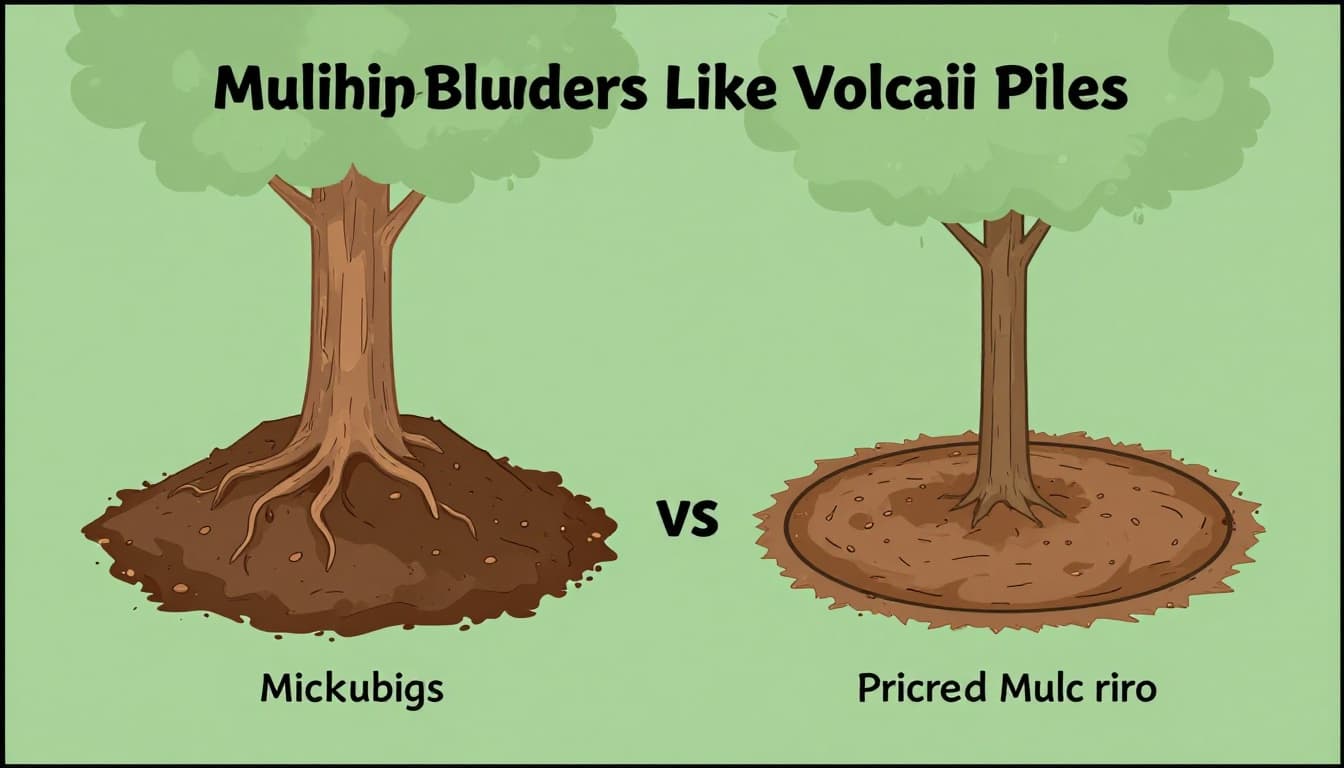
This error tops arborist lists. It kills slowly over years.
Building the Perfect Mulch Ring
Spread two to four inches deep. Form a ring to drip line. Keep three to six inches from trunk.
Taper thin near base. Refresh yearly. Wood chips or bark work best.
No plastic or fabric underneath.
Overlooking Pests, Diseases, and Other Traps
Skip checks, and emerald ash borer or spotted lanternfly ravage silently. In April 2026, hemlock woolly adelgid hits East Coast hard. Holes, webs, or yellow leaves signal trouble.
Tight stakes girdle trunks. Mowers nick bark. DIY climbs risk falls.
Inspect weekly. Touch bark for soft spots.

See 2026 pest alerts for updates.
Staking and Guying Done Right (or Not at All)
Most trees don’t need stakes. Wind builds strength.
If yes, use loose ties. Check monthly. Remove after one year.
Pad wires to avoid rubs.
Spotting and Stopping Pests Early
Look for sap leaks or frass. Hose adelgids off hemlocks.
Safe soaps work mild cases. Call pros for borers. Early spray saves.
Your trees face real threats. Skip deep planting, bad prunes, wrong water, mulch volcanoes, and pest blindness. These five fixes build strong yards.
Call a certified arborist for heights or doubts. They spot issues you miss.
Check your trees this week. Share your story in comments. What mistake cost you a branch?
Healthy trees shade summers and wow guests for life. Start simple changes now.