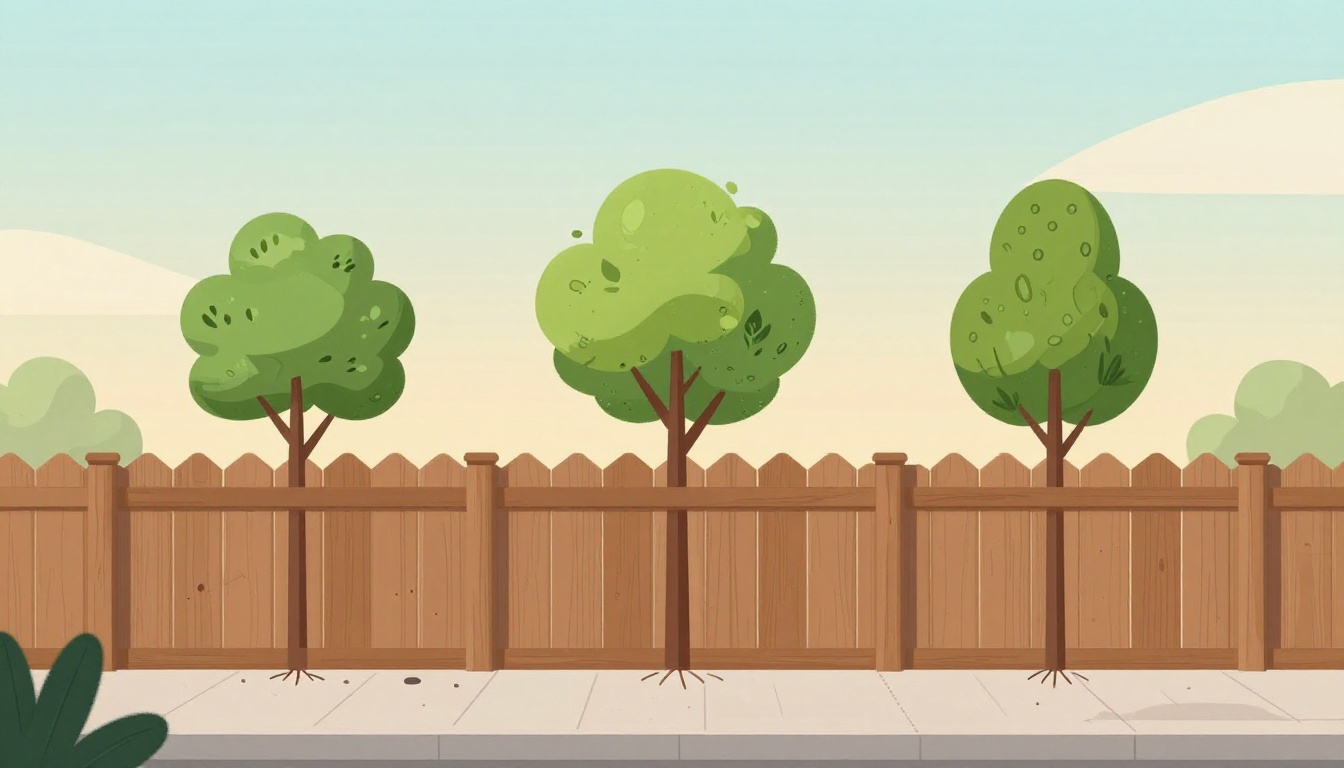
Picture this: You plant a row of saplings along your fence ten years ago. They look perfect at first. But now, branches tangle, roots heave your sidewalk, and one big trunk leans toward the house. You spend thousands to remove them. Crowded trees fail fast because they fight for sun, water, and soil.
Proper spacing changes that. Trees grow full and strong when you give them room. They stay healthy, avoid disease, and won’t damage your property. No more weak limbs snapping in storms or roots cracking foundations.
This guide covers everything you need. You’ll learn key factors like mature size and soil. Get spacing charts by tree type. See safe distances from homes and lines. Spot mistakes to skip. Follow a simple planting plan. By the end, you’ll plant trees that thrive for decades.
Key Factors That Decide How Much Space Your Trees Need
Trees aren’t one-size-fits-all. A towering oak demands more room than a compact crabapple. Match space to your tree’s needs, and it rewards you with shade or fruit. Ignore that, and problems pile up.
Start with mature size. Check the tag or nursery info for expected height and width at 20-30 years. Roots often spread two to three times wider than the canopy. Crowded roots steal nutrients and water. In drier 2026 conditions across the US, this matters more because trees compete harder.
Soil plays a role too. Clay holds water but chokes roots if packed tight. Sandy soil drains fast, so trees need closer access to moisture pockets. Sunlight counts as well. Shade-lovers like dogwoods bend toward light if blocked. Your site’s slope, wind, and purpose shape the plan.
For example, a privacy screen calls for tighter spacing than open lawn shade. Always factor in local climate. Warmer, drier springs mean wider gaps to cut water stress.
Matching Space to Your Tree’s Final Size and Roots
Roots hide the real story. They stretch far beyond branches to grab water and food. A 20-foot-wide canopy might need 40 to 60 feet of root room.
Less than 200 square feet of soil per tree stunts growth. Branches stay small. Trunks weaken. Diseases sneak in easier.

A good rule: Plant trees at least half the mature canopy width apart. So, a 40-foot-wide tree goes 20 feet from the next one. Check USU Extension’s planting guide for species details. This setup lets roots expand without clash.
Sunlight, Soil, and Site Conditions You Can’t Ignore
Sun shapes form. Full-sun trees like maples yellow and lean in shade. Partial-shade picks fill gaps better.
Soil drainage fixes issues. Clay needs holes three times wider than roots. Add compost for air flow. Slopes dry fast, so space upslope trees farther to share runoff.
Windy spots call for sturdy types with extra room. In contrast, calm yards fit tighter groups. Drier trends in 2026 hit hard, so wider spacing cuts competition for every drop.
Test your soil first. Adjust for poor spots. Healthy sites build strong trees.
Recommended Spacing for Different Tree Types and Uses
Spacing varies by type and job. “On center” means trunk to trunk. This measures clear growth paths.
Use these from US extension services and 2026 data. They promote health and yield.
| Tree Type/Use | Spacing (feet apart) | Notes |
|---|---|---|
| Shade trees (large) | 25-40 | Over 40 ft tall; full canopies |
| Ornamentals (small) | 15-25 | Under 25 ft; yards or accents |
| Dwarf fruit | 8-15 | High density orchards |
| Semi-dwarf fruit | 16 | Balanced yield/space |
| Standard fruit | 25-30 | Traditional spacing |
| Hedges/privacy | 2-6 | Shearing keeps tight |
| Evergreens/windbreaks | 10-20 | Rows block wind |
| Timber/conifers | 4-10 | Thinning later |
These prevent fights over resources. For instance, Kansas Forest Service spacing tips match purposes like windbreaks.
Shade and Ornamental Trees for Big Yards
Large shade trees need 25 to 40 feet apart. Oaks or maples spread wide at maturity. They cool patios without crowding.
Small ornamentals fit 15 to 25 feet. Dogwoods or redbuds add color in tighter spots. Near homes, keep small trees 8-10 feet from walls. Medium ones go 15-20 feet out.
This rule from Arbor Day Foundation avoids branch rubs on roofs.
Fruit Trees and Orchard Layouts That Produce Well
Fruit trees scale by rootstock. Dwarfs space 8-15 feet for easy picks. Semi-dwarfs hit 16 feet. Standards need 25-30 feet.
Under 7 feet crowds too much. Fruits drop, pests thrive. Rows run north-south for even sun.
Plan for cross-pollination. Space pairs close in blocks.
Evergreens, Conifers, Hedges, and Windbreaks
Hedges plant 2-4 feet apart. Shear for density. Arborvitae like Green Giant go 5-6 feet.
Windbreaks space 10-20 feet in rows. Stagger for cover. Timber stands start at 4-10 feet, thin as they grow.
In fire-prone areas, add clearance. These setups block wind and snow well.
Safe Distances from Houses, Driveways, Power Lines, and Utilities
Roots and branches wreck havoc close up. Plan ahead to save cash.
Key minimums keep peace:
| Feature | Small Tree | Medium Tree | Large Tree |
|---|---|---|---|
| House walls | 8-10 ft | 15 ft | 20+ ft |
| Driveways/corners | 6-10 ft | 10-15 ft | 15+ ft |
| Sidewalks | 3-6 ft | 6-10 ft | Avoid |
| Power lines | Under 25 ft tall | 25-40 ft away | 40+ ft |
| Underground utilities | 10 ft all | Call 811 first | Map lines |
Roots crack concrete or pipes. For power lines, match mature height to distance. See Monster Tree Service tips for utility-safe picks.
Map your yard. Mark lines with flags. This prevents digs into cables.
Avoid These Common Tree Spacing Mistakes That Cost Time and Money
Seedlings tempt tight planting. They grow fast though. Years later, you thin or cut.
Skip mature size checks. Tags show width. Use two-thirds of that for gaps.
Plant too near structures. Roots lift patios. Fix by measuring from trunks outward.
Forget utilities. Lines hide underground. Dial 811 free to locate.
Best fix: Stake spots first. Walk the layout. Adjust before digging. WSU Extension covers spacing basics.
Step-by-Step Guide to Measuring and Planting with Perfect Spacing
Follow these steps for success.
- Research mature size. Note height, width, roots from tags or sites.
- Measure from key spots. Use safe distances for houses, lines, paths. Call 811.
- Mark tree locations. Measure on center with tape or string. Stake flags.
- Dig wide holes. Make them three times root ball width, same depth. Loosen soil.
- Plant level. Set root flare at ground line. Backfill, tamp gently.
- Mulch and water. Add 3-inch ring, no volcano piles. Soak deep weekly first year.
Test your yard map. Space a sample row. Strong trees follow.
Your trees will spread healthy crowns. They’ll shade without strife. Grab that tape measure today. Check labels now. Share your yard wins in comments below. Your future self thanks you for smart spacing.