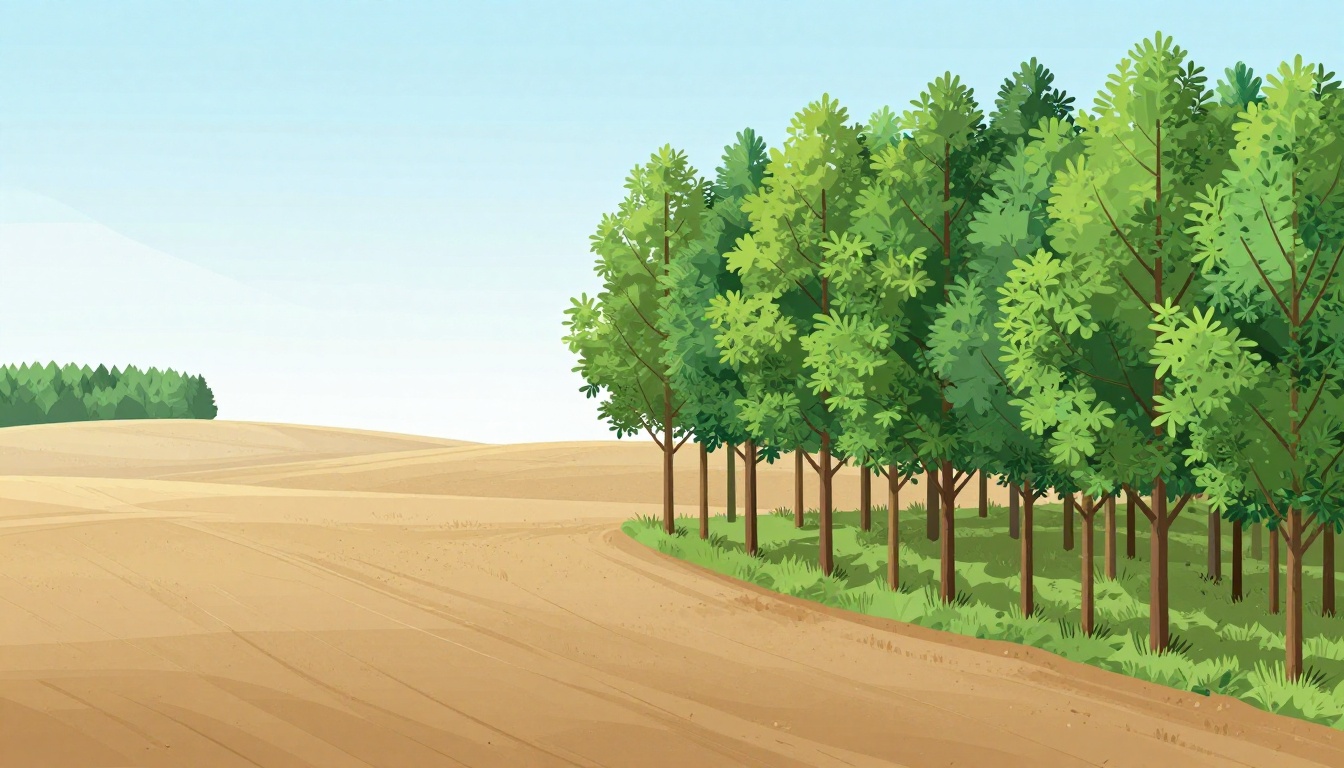
Forests soak up carbon dioxide like giant sponges. Yet, as of April 2026, the world loses about 8.1 million hectares of forest each year, mostly from fires and farms. Afforestation means planting trees on land that has sat bare for decades, or even centuries.
You care because these new forests clean the air, hold soil in place, and shelter wildlife. They fight climate change head-on. Ever wondered how we build forests from scratch on empty fields or deserts?
This post covers what sets afforestation apart from similar efforts. Then it breaks down the step-by-step process. You will see the big benefits, real challenges, and projects making waves today.
Breaking Down Afforestation: What Sets It Apart from Other Tree Efforts
Afforestation plants trees on land without forests for at least 50 years. Think old farms, pastures, or barren deserts. Workers turn these spots into fresh woodlands.
Reforestation differs. It replants trees where forests stood recently, say after a fire or loggers left. Deforestation does the opposite. It clears trees for crops, roads, or homes, often harming soil and air.
The lines blur sometimes. Land history matters. A field unused for 60 years counts as afforestation ground. But check records to confirm.
For clear differences, see this comparison:
| Aspect | Afforestation | Reforestation |
|---|---|---|
| Land Type | Long bare, like old pastures or deserts | Recently cleared forest areas |
| Goal | Create new ecosystems from scratch | Restore what existed before |
| Time Without Trees | 50+ years | Less than 50 years |
| Example | Planting on a wheat field gone fallow | Replanting after a wildfire |
This table shows key contrasts. Experts at ReWorld explain these distinctions with real-world examples.
Why Afforestation Targets Completely New Ground
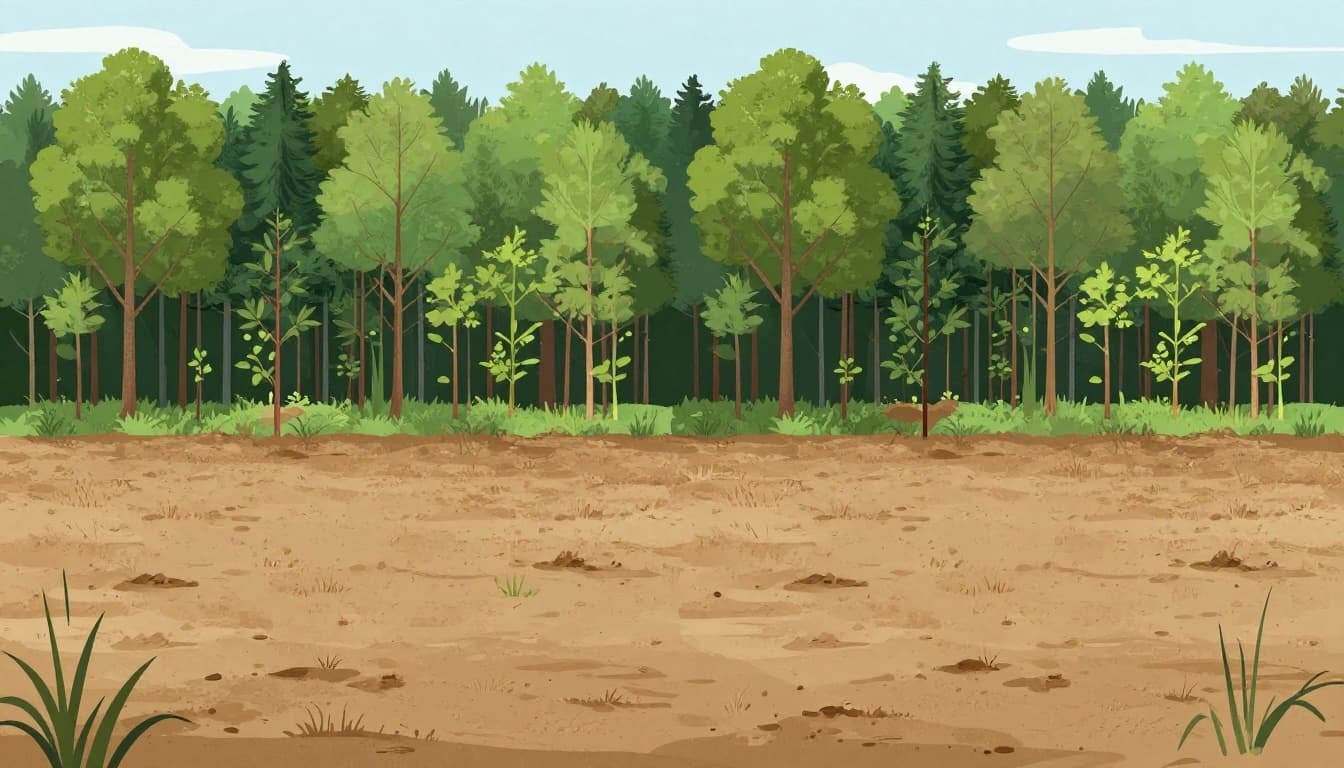
Afforestation picks spots never wooded, or empty for generations. Deserts, rocky hills, or retired croplands fit best. These areas lack tree roots or shade from old growth.
Starting fresh builds strong ecosystems. Roots grip poor soil right away. New plants draw birds and bugs fast. In contrast, reforestation revives tired land with lingering stumps.
Examples abound. Abandoned Midwest farms now sprout oaks. Dry Australian plains host eucalyptus groves. Benefits kick in quicker on blank slates.
Reforestation vs. Afforestation: Spotting the Difference
Spot the difference with real cases. A hill burned by wildfire needs reforestation. Crews replant pines to match the past forest.
An old cattle pasture calls for afforestation. Grass covers it now, but no trees for 100 years. Plant maples or firs suited to the spot.
History proves tricky. Old maps or soil tests help. Without them, projects mix methods. Still, the focus stays on fresh starts for afforestation.
The Hands-On Process: How Afforestation Turns Bare Land into Thriving Forests
Afforestation follows a clear six-step path. Teams turn dirt into woods over years. Success comes from planning and patience.
First, scouts pick sites. Open fields or hills work well. They test soil and water nearby.
Next, planners choose trees. Native types thrive best.
Then prep happens. Clear weeds and till ground.
Planting follows. Drop seeds or saplings in holes.
Care starts right after. Water and fence against deer.
Finally, maintain. Thin crowds and watch growth.
Here is the full process in order:
- Select the site. Look for flat land with decent rain. Avoid steep slopes or flood zones. Test pH and nutrients first.
- Plan species. Pick natives like oaks for U.S. Southeast. Mix in agroforestry rows for crops below trees.
- Prepare soil. Plow lightly. Add compost if needed. Kill weeds with mulch, not chemicals.
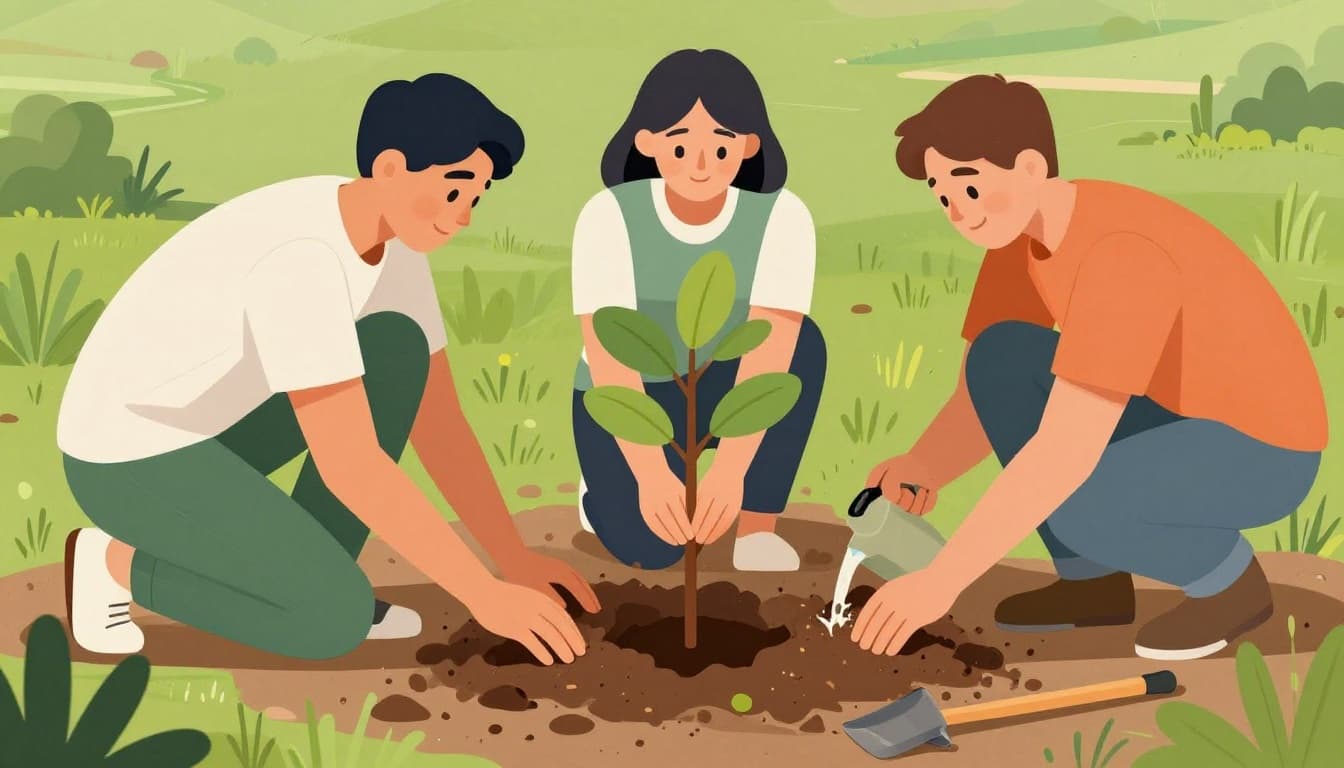
- Plant trees. Use saplings for speed, or seeds for cost. Space them 10 feet apart. Machines speed big jobs; hands suit small plots.
- Protect early growth. Water weekly at first. Fence out animals. Use guards on trunks.
- Monitor long-term. Thin weak trees after five years. Track carbon uptake with drones.
Tips boost odds. Sprouting cuttings root fast. Local seeds resist pests.
Details on strategies appear in this Climate Change Academy guide.
Step 1: Finding and Preparing the Perfect Spot
Site choice sets the base. Sunny fields with clay soil hold water well. Avoid polluted dumps.
Prep improves odds. Rototill gently to loosen dirt. Cover with organic matter. This feeds microbes.
Weeds compete hard. Mow them first. Mulch smothers regrowth.
Steps 2-4: Choosing Trees and Getting Them in the Ground
Native trees match climate. Pines for dry spots; maples for wet. Diversity fights disease.
Methods vary. Broadcast seeds for meadows. Dig for saplings. Natural regen uses bird-dropped fruits.
Plant in fall or spring. Wet soil helps roots grab.
Steps 5-6: Nurturing Your New Forest to Maturity
Young trees need help. Drip lines save water. Nets block rabbits.
After three years, thin extras. This lets strong ones grow tall.
Monitor for decades. Measure height yearly. Check carbon via soil cores.
Why Go for Afforestation? Life-Changing Wins and Real Hurdles
New forests pull carbon from air. They store it in trunks and roots. Global woods hold vast stocks already.
Soil stays put. Roots block erosion and floods. Rain increases nearby.
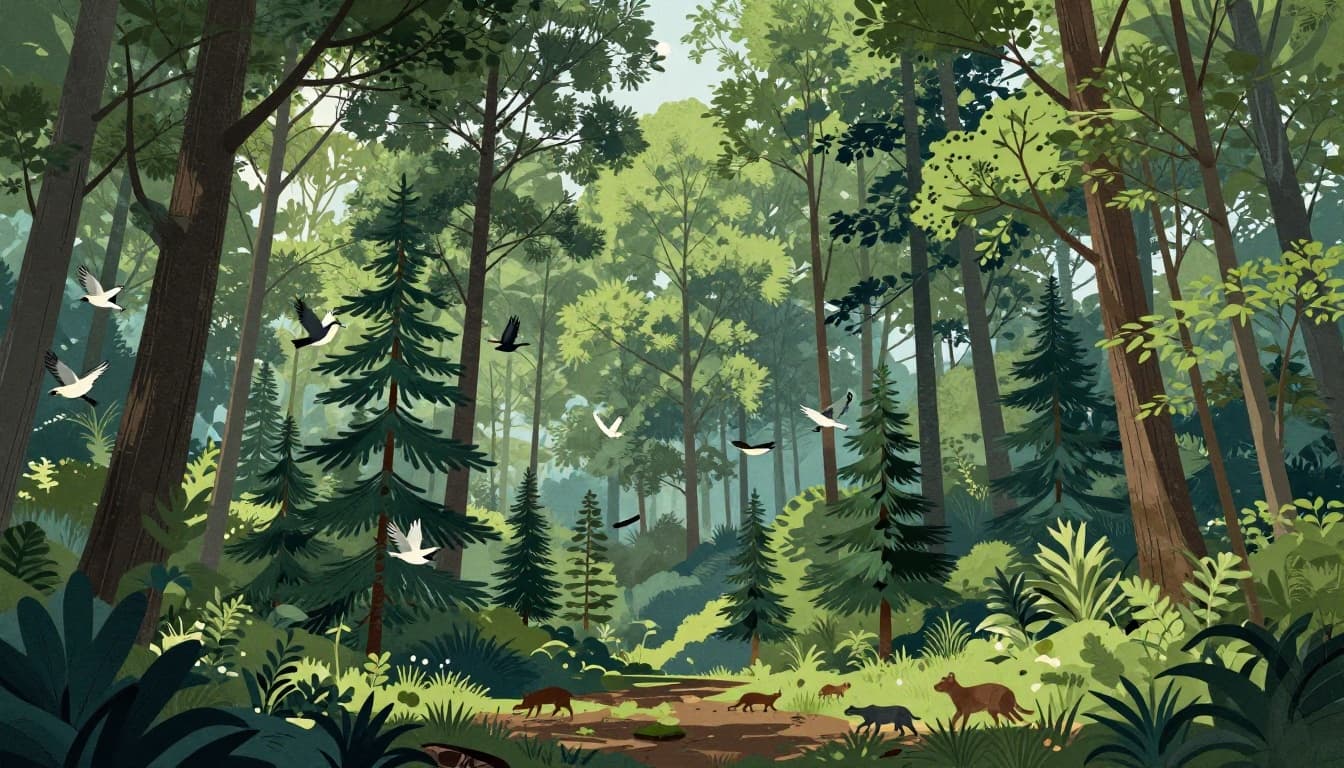
Wildlife returns. Birds nest; deer browse. Jobs arise in planting and care.
Yet hurdles exist. Trees take decades to mature. Wrong species die fast.
Food farms clash with trees. Plantations lack bug variety.
Solutions work. Mix species. Plan with locals.
See U.S. gains in Evertreen’s report on sequestration and biodiversity.
Top Ways New Forests Help Fight Climate Change and More
Carbon sinks grow strong. One acre sequesters tons over time.
Erosion drops. Roots bind dirt against storms.
Weather shifts. Canopies cool air and trap rain.
Biodiversity booms. Hundreds of species move in.
Economies lift. Timber and tours pay bills.
Common Roadblocks and Smart Fixes
Time lags frustrate. Full benefits wait 20 years. Start small to see wins.
Mismatch kills trees. Test climate fit first.
Land fights brew. Blend trees with grazing.
Fixes include diverse plots. Community input avoids clashes.
Afforestation Heroes: Cutting-Edge Projects Making a Difference Today
Chestnut Carbon leads in the U.S. Southeast. By early 2026, they planted 26.5 million trees on 48,000 acres. Marginal pastures now store carbon and host wildlife. Check their afforestation page for details.
China fights deserts with a 3,046-kilometer Great Green Wall around the Taklamakan. As of February 2026, it turned sand into a carbon sink. Shrubs and trees halt expansion.
Africa’s Great Green Wall spans the Sahel. Millions of hectares gain trees. It combats drought and feeds communities.
Iceland revives Viking-era lands. Birch and spruce cover old turf fields. Progress builds despite harsh winds.
These efforts inspire. Forests cover 4.14 billion hectares worldwide now. Planting reverses losses. Join by supporting locals or volunteering.
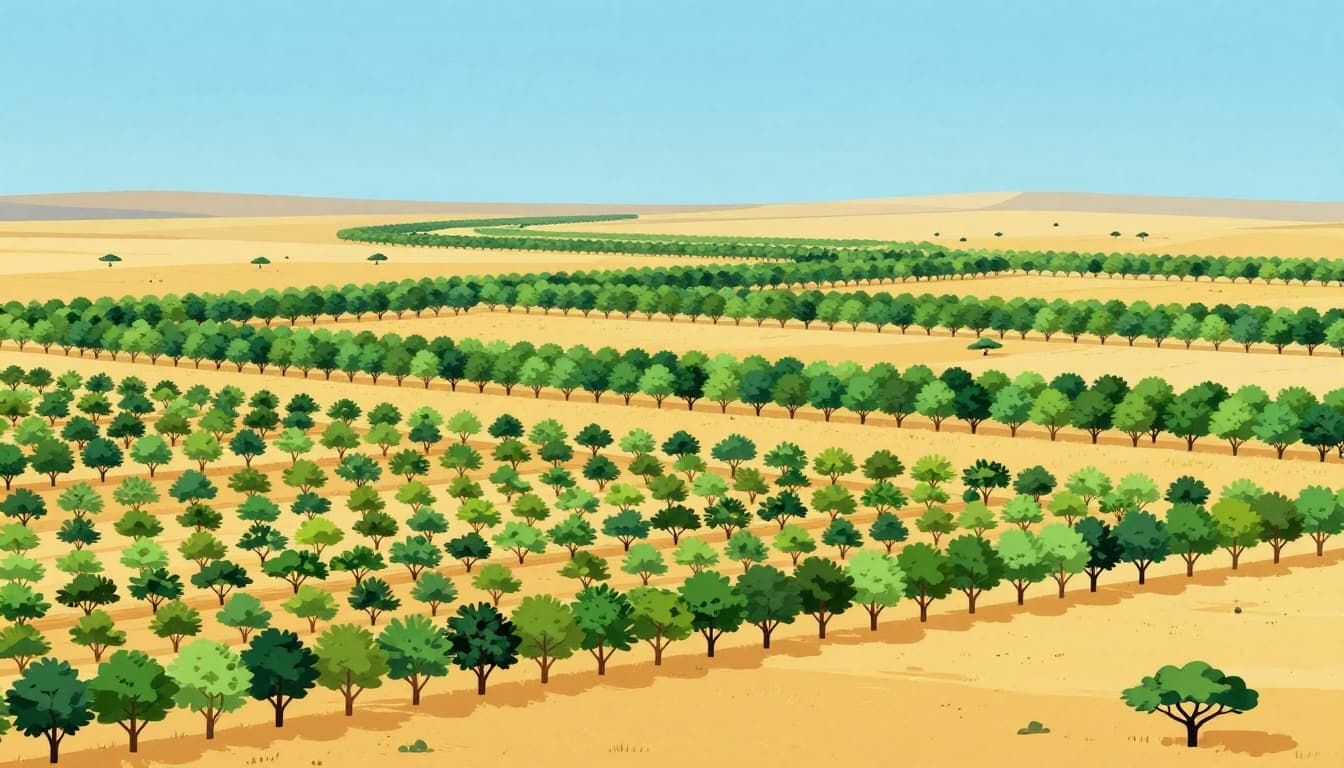
Afforestation plants trees on long-bare land to build new forests. The process starts with site picks and ends in mature woods. Benefits like carbon capture outweigh hurdles when planned right.
Projects prove it works. Chestnut Carbon and global walls show real change.
Plant a tree in your yard. Back a group like these. Share this to spread hope. What spot near you needs trees?