New forests can absorb up to 10 billion tons of CO2 each year. That’s like taking millions of cars off the road. Trees fight climate change and clean our air, but not all planting works the same way.
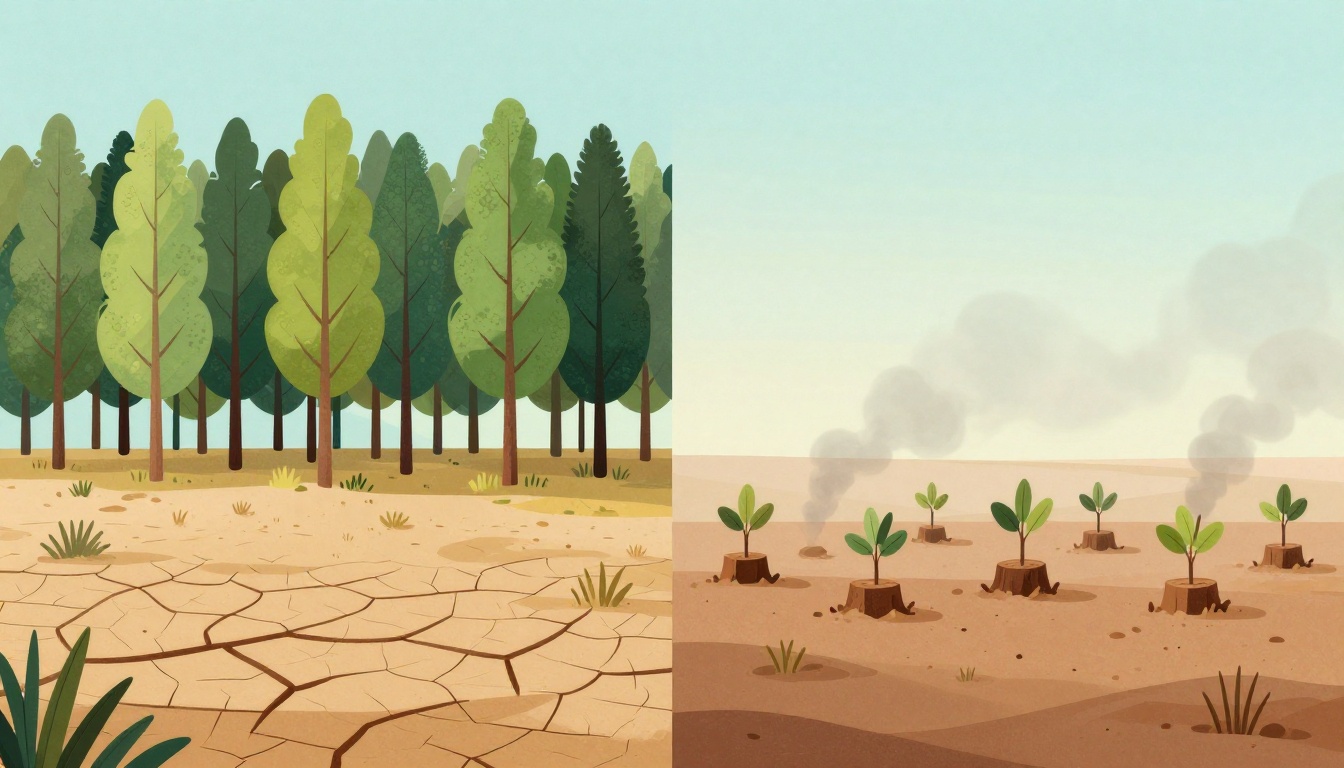
Afforestation means planting trees on land that never had forests before, such as old grasslands or deserts. Reforestation replants trees on spots that lost them recently from fires or logging. People often mix up the two, yet they serve different needs.
So, how do they differ? This post breaks it down. You’ll see real examples, steps to follow, and pros along with cons. Understanding this helps you back the right green projects. Let’s start with afforestation in action.
What Afforestation Looks Like in Action
Afforestation builds forests from scratch on bare land. Think deserts, farms, or eroded hills with no tree history for ages. It adds green cover to places that need it most.
This approach fights desert spread. It creates homes for birds and bugs. Worldwide, experts eye 1.2 billion hectares for new trees. That’s a huge area ready for change.
Projects pick tough trees that match the soil and rain. They plant at smart spacing, then water and protect seedlings. Over time, these spots store 300 to 600 tons of carbon per hectare through natural growth.
Benefits go beyond air. Roots hold soil tight. They catch rainwater better. Local farms gain shade and fruit.
Why We Start Forests from Scratch
Desertification eats land fast. Afforestation stops it cold. It builds habitats where none stood before.
Climate wins big here. New trees pull carbon from the sky. They cool hot spots too.
Teams choose adaptable species. These trees handle poor soil or dry spells. In addition, they draw wildlife quick.
Step-by-Step: How to Build a New Forest
First, scout the site. Check soil, water, and bugs.
Next, pick species. Go for locals or tough imports that fit.
Then, prep the ground. Clear weeds, but keep good plants.
Plant at the right time. Space seedlings 2 to 3 meters apart. Water deep at first.
Finally, maintain and monitor. Weed around bases. Track growth yearly. Agroforestry mixes trees with crops on farms.
Cool Examples Turning Nothing into Forests
Iceland shows how it’s done. Once barren from sheep and volcanoes, they planted birch and spruce. Now, green patches dot the land. Check out Iceland’s forest guide for details on their progress.
Desert projects in Africa turn sand to shade too. Results amaze. These spots bloom with life.
How Reforestation Brings Back What We Lost
Reforestation fixes land that held forests until lately. Fires, axes, or storms cleared it. Now, we replant natives to match the past.
This restores 900 million hectares worldwide. Goals focus on ecosystems. Wildlife returns fast. It stops more bare spots too.
After damage, crews act quick. They use native seeds or saplings. Natural regrowth helps. Cities add trees for shade and clean air.
Benefits shine. Sites gain up to 60% more species. Soil heals from erosion.
The Push to Restore Old Forest Homes
Biodiversity bounces back first. Carbon storage follows.
Ecosystems mend. Rivers run clearer. Animals find food again.
Most importantly, it matches what grew there before.
The Replanting Roadmap
Assess the damage right away. Map burned or cut areas.
Gather native seeds or trees. Match the old mix.
Plant soon after clear-up. Space for light and roots.
Care includes fencing deer. Check growth over years.
Stories of Forests Rising Again
Post-wildfire woods in California regrow strong. Crews plant pine seedlings by hand.
Urban spots turn lots green. One US project, Sierra National Forest’s 2026 program, lets locals adopt ponderosa pines. See their resident planting opportunity.
Spotting the Real Differences and Weighing Pros and Cons
Afforestation and reforestation both plant trees. Yet core differences set them apart. Land history leads the list.
One creates fresh ecosystems. The other revives old ones.
Here’s a quick comparison:
| Aspect | Afforestation | Reforestation |
|---|---|---|
| Land Type | Never-forested (grasslands, deserts) | Recently deforested (fires, logging) |
| Main Goal | New habitats, expand cover | Restore biodiversity, match past |
| Tree Choices | Adaptable species | Native trees only |
| Carbon Storage | 300-600 tons/hectare over decades | Faster initial uptake, full eco slow |
| Challenges | Possible local warming, invades grass | Slow full recovery, pests |
This table shows key splits. Both suck up CO2. Both boost life.
For deeper insights on right trees in right places, experts agree.
Land History and Goals: New vs Revival
Afforestation hits non-forest land. It starts fresh. Goals build from zero.
Reforestation targets cleared woods. It revives what we knew. Therefore, it heals faster in some ways.
Tree Choices and Survival Tricks
Afforestation picks flexible trees. They beat harsh starts.
Reforestation sticks to natives. These fit the soil best. Both need water and guards at first.
Benefits That Help Planet and People
Shared wins include CO2 cuts. Soil stays put. Water cycles improve. Animals thrive.
Afforestation claims new ground. Reforestation packs more species punch.
Challenges to Watch Out For
Afforestation can warm grasslands. Dark trees trap heat.
Reforestation takes decades for full ecosystems. Wrong trees fail anywhere.
Both risk poor picks. Always test soil first.
Hot Trends and Projects in 2026
Quality rules carbon credits now. Prices hit $15 to $35 per ton. Tech verifies growth.
Tropical spots lead. They store more carbon. The Tropical Forests Forever Facility pledges billions from Norway and Germany.
US firms like Mast Reforestation scale post-fire work with seeds and burial tech.
Natural regen trends up. Communities lead. For basics, see this clear breakdown.
Why Both Matter for Our Future
Afforestation builds new green spaces on bare land. Reforestation revives lost woods. Together, they tackle climate head-on.
Pick projects wisely. Support ones with natives and checks. Plant a tree yourself or join locals.
Global efforts grow in 2026. Billions flow to real change. You can help push it forward. What’s your next green step?