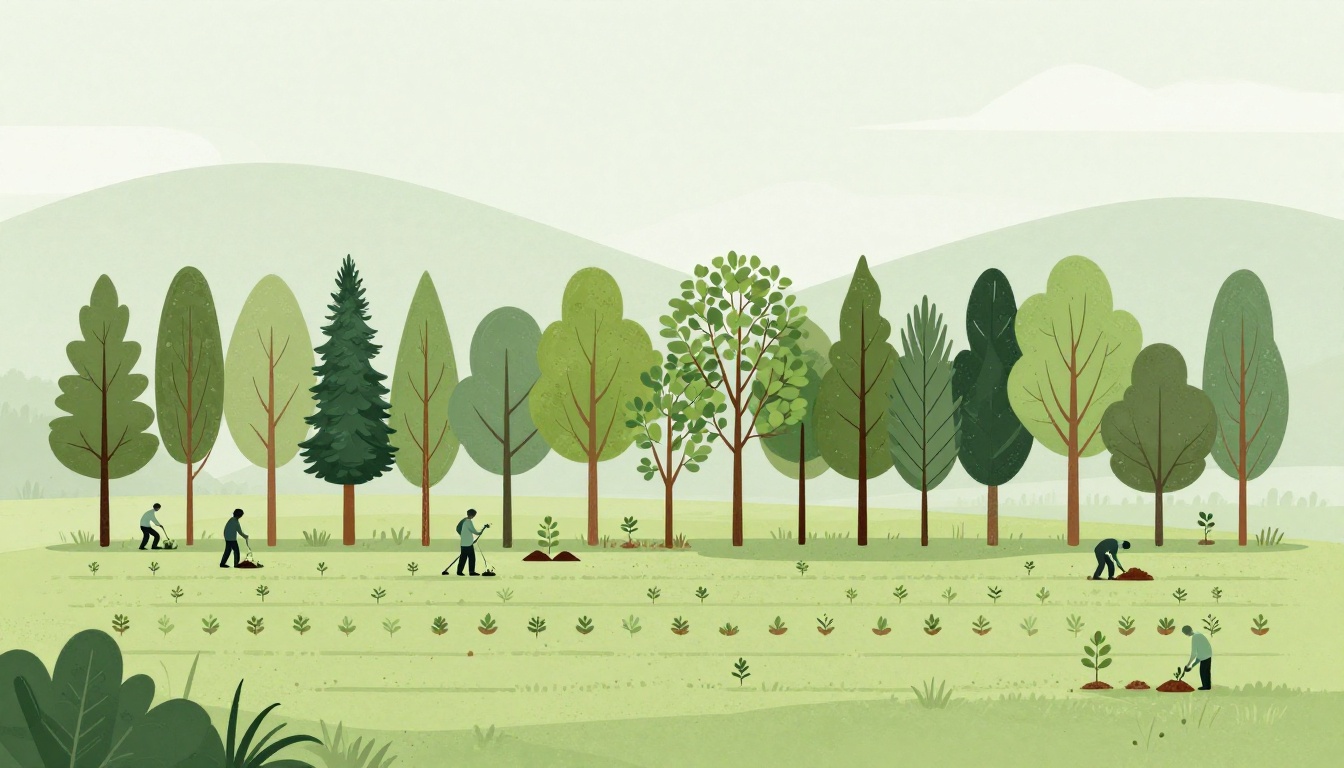
Planting trees fights climate change head-on. These efforts store carbon, restore degraded land, and slow deforestation. Yet they succeed only with sustainable practices in afforestation projects. In 2025, global investments doubled to $23.5 billion yearly, covering 10.6 million hectares. Still, poor methods waste billions of seedlings.
Afforestation means planting trees on land that never had forests before, such as barren fields or farms. That’s different from reforestation, which replants trees on spots that lost them to logging or fires. For example, US private forests plant 400 million seedlings each year on fresh ground to build new woods.
Sustainable practices matter because they help trees thrive long-term. They boost biodiversity with native species, support local communities through jobs, and lock away carbon for decades. Without them, projects fail; trees die from drought or pests. Communities lose out, and carbon gains vanish.
You care about real impact, right? That’s why projects now monitor growth, protect waterways, and earn certifications. In the US alone, they safeguard 187,790 miles of streams and sequester 69 million tons of CO₂ yearly.
This post breaks it down for you. First, we cover core principles like choosing natives and involving locals. Next, proven techniques such as maintenance and carbon funding. Then, real examples from US forests, India’s mangroves, and Ethiopia’s restorations. We tackle challenges like ongoing deforestation and funding gaps. Finally, future trends point to $50 billion investments by 2030.
Ready to see how these practices turn barren land green?
Core Principles That Make Afforestation Projects Truly Sustainable
Sustainable afforestation projects succeed because they follow solid principles. These basics prevent tree death, biodiversity loss, and wasted funds. For instance, they target 80%+ survival rates by matching trees to local conditions and involving people on the ground. In addition, they improve soil health and water retention right away. Projects in the US Southeast restored over 48,000 acres in 2026 using these steps, storing thousands of tons of carbon. Now, let’s look at the main ones.
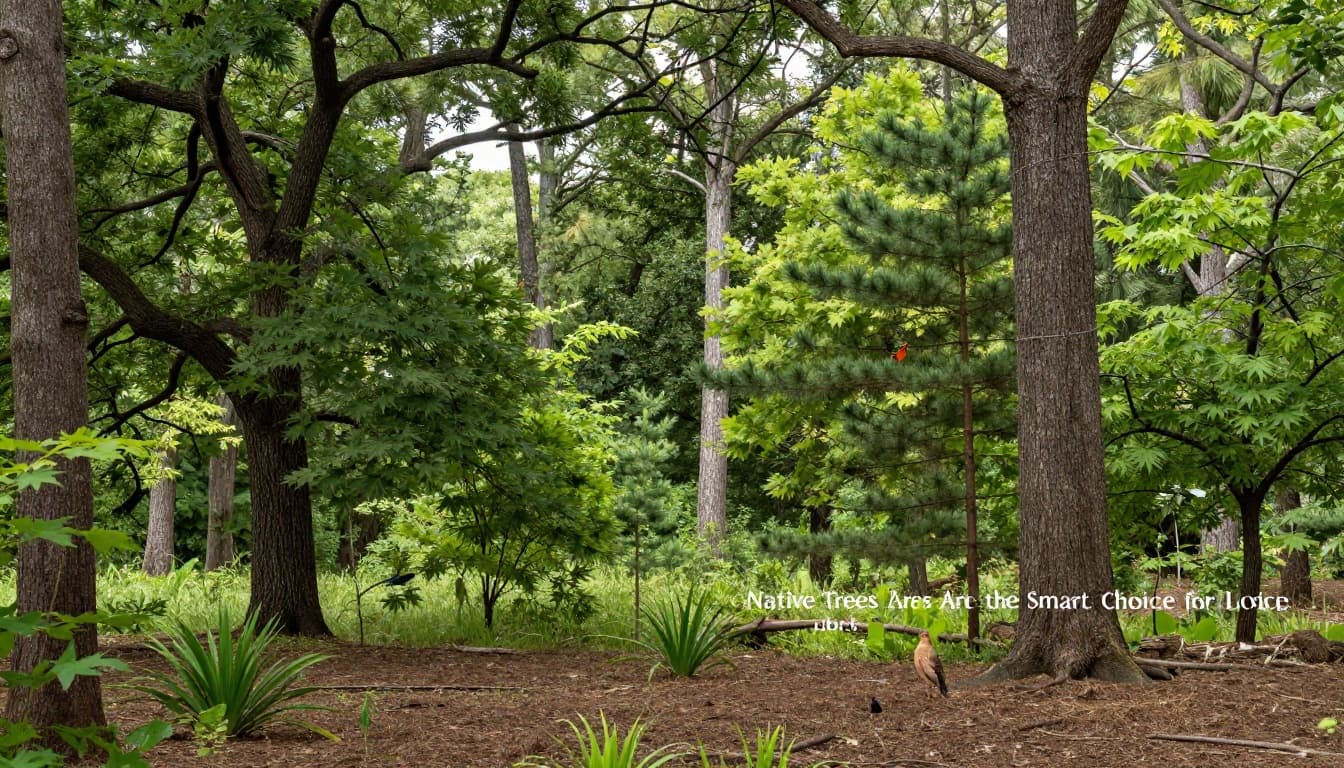
Why Native Trees Are the Smart Choice for Local Ecosystems
Native trees fit perfectly into their home turf. They handle local climate swings, soil types, and pests without extra help. As a result, survival jumps because roots grab water and nutrients fast.
Non-natives often flop. They demand more care, spread to wild areas, and starve local wildlife. In contrast, natives feed birds, bugs, and mammals that depend on them. Deep roots fight erosion, filter water, and build richer soil over time.
Consider these key perks:
- Climate adaptation: Natives shrug off droughts and floods common in US regions.
- Pest resistance: They evolved defenses, so you skip chemicals.
- Wildlife boost: Butterflies, bees, and deer thrive, creating balanced habitats.
High-density planting works best with natives. Space seedlings 6-10 feet apart to shade out weeds and speed canopy closure. Source seeds from nearby stock for best matches; check PlantNative.org’s guide on native tree benefits for tips.
Empowering Communities for Hands-On Success
Locals make projects stick. Train farmers and residents on planting, care, and pruning. Demo plots show real results fast, so everyone sees the payoff.
This builds ownership. People protect what they plant themselves. Plus, it creates jobs in nurseries or patrols, lifting livelihoods. In US efforts, advisory groups with locals guide site picks and fire plans.
For example, one Southeast project trained small landowners. They now manage 1,800 acres, earning from timber and credits. Training covers basics like soil prep and spacing.
Start with these steps:
- Host workshops on native handling.
- Set up small test plots nearby.
- Link to markets for seeds or wood.
Communities gain steady income. Soil improves with less erosion, and water stays cleaner for farms.

Essential Monitoring to Ensure Trees Thrive Long-Term
Check trees often to catch issues early. Track height, survival, and threats like fire or drought. Aim for that 80%+ rate by weeding, watering, or thinning as needed.
Field teams measure every six months. Note pests, deer damage, or dry spells. Tech like apps helps log data quick.
Secure land rights too, especially for Indigenous groups. Clear titles stop illegal cuts and build trust. US Forest Service plans treat thousands of acres yearly with public input for this.
Threats hit hard without watch:
- Droughts: Mulch bases to hold moisture.
- Fires: Prescribed burns clear fuel.
- Pests: Spot early, remove bad spots.
Monitoring ties to better soil and streams. Roots stabilize banks; leaves filter runoff. Certifications like FSC verify long-term wins.

Innovative Techniques Accelerating Forest Restoration
Modern methods speed up afforestation while keeping sustainability front and center. These approaches pack more trees into less space, mimic nature, and deliver quick wins for carbon storage and biodiversity. Farmers and cities love them because they blend restoration with real benefits like higher yields or cleaner coasts. Let’s break down three standouts.
Miyawaki Method: Creating Dense, Fast-Growing Mini-Forests
The Miyawaki method packs 300 or more native plants per small plot, like a bustling neighborhood where trees, shrubs, and groundcover compete to thrive. You prepare soil with rich mulch, plant in layers, and water for the first two to three years. Then nature takes over; forests mature in 20 to 30 years, 10 times faster than traditional spots.
Growth hits three feet a year with 90% survival rates. Biodiversity explodes because natives draw birds, insects, and soil life right away. In cities, these mini-forests clean air and fight floods; check Science Friday’s report on US miniforests for examples in New York and Washington state.
Pros include rapid carbon pull, around 30 tons per acre, and low upkeep later. Cons? High initial costs for soil work. Still, it fits sustainability perfectly by restoring ecosystems fast. Toyota used it in India for 328,000 trees, boosting their CSR goals.

Agroforestry: Growing Trees and Food Together
Agroforestry mixes trees with crops or livestock, like partners sharing a field for mutual gain. Farmers plant rows of nuts or fruits amid corn and beans; roots hold soil while shade cools animals. Yields rise 20 to 50% over time because trees recycle nutrients and block wind.
Erosion drops sharply; deep roots trap rain and prevent runoff. Water sticks around longer in soils, cutting drought risks. For example, Forrest Keeling Nursery outlines these perks for US farms, including better pest control without sprays.
Carbon storage grows as trees mature alongside food production. Farmers earn extra from timber or nuts, so income steadies. Drawbacks involve planning spacing upfront. Overall, it sustains land for generations by balancing profit and planet.
In addition, grazing cattle under trees stay healthier with less feed. Communities see cleaner streams too.

Specialized Approaches Like Muvuca and Mangroves
Muvuca scatters seed “crowds” densely over bare land, mimicking how winds spread them in nature. Cheap and quick, it covers ground fast in Brazil’s tropics, sparking regrowth without digging holes. Plants self-thin for strong survivors.
Mangroves suit coasts; their tangled roots lock soil and suck up CO2 as blue carbon champs, storing more per acre than most trees. Restoration there shields against storms and feeds fish. Both boost biodiversity; see details on Muvuca’s role.
Pros for Muvuca: low cost, fast cover. Cons: needs good seeds and rain. Mangroves excel at sequestration but demand salty water. Companies like Brazil’s Muvuca Agroflorestal tie them to CSR for Atlantic Forest wins.
These fit sustainability by restoring fast without monocultures. Carbon gains stack up, and locals benefit from jobs.

Real-World Examples Proving These Practices Deliver Results
Sustainable practices shine brightest in action. Farmers and youth around the world plant natives, monitor growth, and involve locals. They boost survival rates, store carbon, and protect water. These stories show clear wins. You can see how they turn ideas into green reality.
Tanzania’s Kilombero Valley: Farmers Turning Land Around
Sister Eusebia leads the charge in Kilombero Valley. She trains farmers through demo plots that prove agroforestry works. These small test sites mix trees with crops, so everyone sees better soil hold water longer.
In 2025, the African Wildlife Foundation trained 6,137 farmers there. They adopted methods at a 96% rate. As a result, soil erosion dropped, and streams ran clearer. Farmers now manage 70,731 hectares under conservation. Yields rose too; sugarcane output jumped 70% per hectare.
Demo plots build trust fast. Farmers plant drought-resistant seeds and trees together. Roots stabilize soil, while shade cools fields. For 2026, plans scale training to 10,000 more farmers with peer mentors. Check AWF’s Kilombero work for details. Communities gain steady income and resilient farms.

Peru’s Andes: Youth Restoring Queñual Forests Against Wildfires
Youth in Peru’s Andes grow queñual seedlings to fight wildfires and save glaciers. They spend nine months in nurseries, then plant with monitoring tools. These trees capture cloud moisture and release it slowly for steady streams.
Acción Andina trained thousands since 2018. They planted millions and protected 11,000 acres. A 2026 youth initiative picks 10 champions per country. They track growth, spot fire risks, and push policies. Survival rates climb because seedlings match harsh cold.
Glaciers last longer with queñual shade. Water security improves for millions downstream. Forests store carbon too, cutting wildfire spread. Local groups collect seeds, so ownership grows strong.

Global Wins: Miyawaki and Mangrove Projects in Action
Miyawaki mini-forests thrive in cities. They pack layers of natives for quick shade and biodiversity. In the UK, a project hit high survival rates and cut costs versus standard planting. Trees grow three feet yearly, drawing birds and bugs fast.
Bali’s mangroves pair with seagrass transplants for coastal armor. Roots trap sediment; they store massive CO2 as blue carbon. Indonesia planted 21 million in 2026 near Bali sites. Fish stocks rebound, storms weaken, and locals fish more.
Both deliver: urban spots sequester 30 tons CO2 per acre; coasts shield villages. Companies fund them for community jobs.
| Project | Survival Rate | Key Impact |
|---|---|---|
| Urban Miyawaki | 80-90% | Shade, biodiversity boost |
| Bali Mangroves | High via monitoring | CO2 storage, storm protection |
These prove practices pay off.


Overcoming Key Challenges to Keep Projects on Track
Afforestation projects hit real roadblocks. Funding dries up, land stays locked, trees die young, and carbon markets demand proof. Yet teams push through with smart fixes. Blended finance mixes public cash with private bets. They target degraded spots over grasslands. Policies align players, and scale grows step by step. Carbon rules tighten for trust, so projects verify every tree. With planning, these hurdles turn into wins.
Solving Funding and Land Access Issues
Cash gaps stall most efforts. Nurseries lack seedlings amid rising costs from pests and inflation. Land fights worsen because prime spots feed farms or hold carbon already. However, solutions stack up fast.
First, tap blended funds. They pair grants with loans to cut risks. For example, the Tropical Forests Forever Facility (TFFF) pulled in over $6.7 billion at COP30 for tropical work; see TFFF’s COP30 funding details. In the US, states use tools like California’s GGRF for forest health grants.
Next, sovereign green bonds draw big money. The World Bank issued a $225 million outcome bond for Amazon reforestation, paying on verified results. Investors love the proof.
Land access eases on degraded sites. These barren fields need trees most and avoid biodiversity harm. Local policies secure rights, especially for Indigenous groups. As a result, projects scale without fights. Coordination via clear rules helps too; governments set nursery goals and site maps.
Boosting Tree Survival in Tough Conditions
Survival dips below 80% in droughts or fires. Wrong sites kill gains, and credits reverse if trees fail. But prep changes that.
Drought plans start with mulch and deep watering early. Match species to local soils for roots that grab moisture. Fire prep includes burns to clear fuel and firebreaks.
Carbon markets now reverse credits for deaths, so monitoring apps track every plot. Tools like Terraware log growth and threats. In the US, better nurseries grow diverse stock for tough spots.
Scale issues fade with pilots first. Policies push coordination between farms, states, and firms. Communities patrol sites for pests.
These steps work. Trees hit high survival, credits hold firm, and projects expand. Planning makes it all doable.
Future Trends Shaping Sustainable Afforestation in 2026
Afforestation picks up speed in 2026. Billions flow into tropical projects, carbon rules tighten for real results, and youth lead grassroots pushes. Companies join via CSR because consumers demand it. These shifts build on practices like native trees and community monitoring. As a result, projects scale while storing more carbon long-term.
Scaled Finance Unlocks Tropical Restoration
Money surges for forests. The Tropical Forests Forever Facility secured over $5.5 billion at COP30, with 53 countries backing it for protection and planting. Blended funds pair grants and bonds, so risks drop for investors.
Drones seed vast areas now. Ground crews track with apps, tying to monitoring basics. In short, finance grows projects from pilots to millions of hectares. Expect $50 billion global by 2030.

Strict Carbon Rules Demand Durable Credits
Standards rise fast. ICVCM approved updated afforestation methods from Verra, labeling credits that meet Core Carbon Principles. SBTi pushes companies toward verified removals.
Durability rules reward lasting forests, so projects prove permanence with monitoring. As a result, credits gain trust; buyers pay more. This links straight to native choices and survival checks.
Check ICVCM’s ARR guidance for details on restoration wins.
Youth and CSR Drive Grassroots Growth
Young leaders step up. Global Landscapes Forum named 2026 restoration stewards from 1,250 applicants to champion ecosystems. CSR programs plant in needy spots, building trust with 90% US support for trees.
Communities gain jobs and ownership, just like training plots. Firms shift to portfolios with locals. Therefore, trends predict faster biodiversity and carbon gains.

Ready to join? Pick a practice and start small on your land.