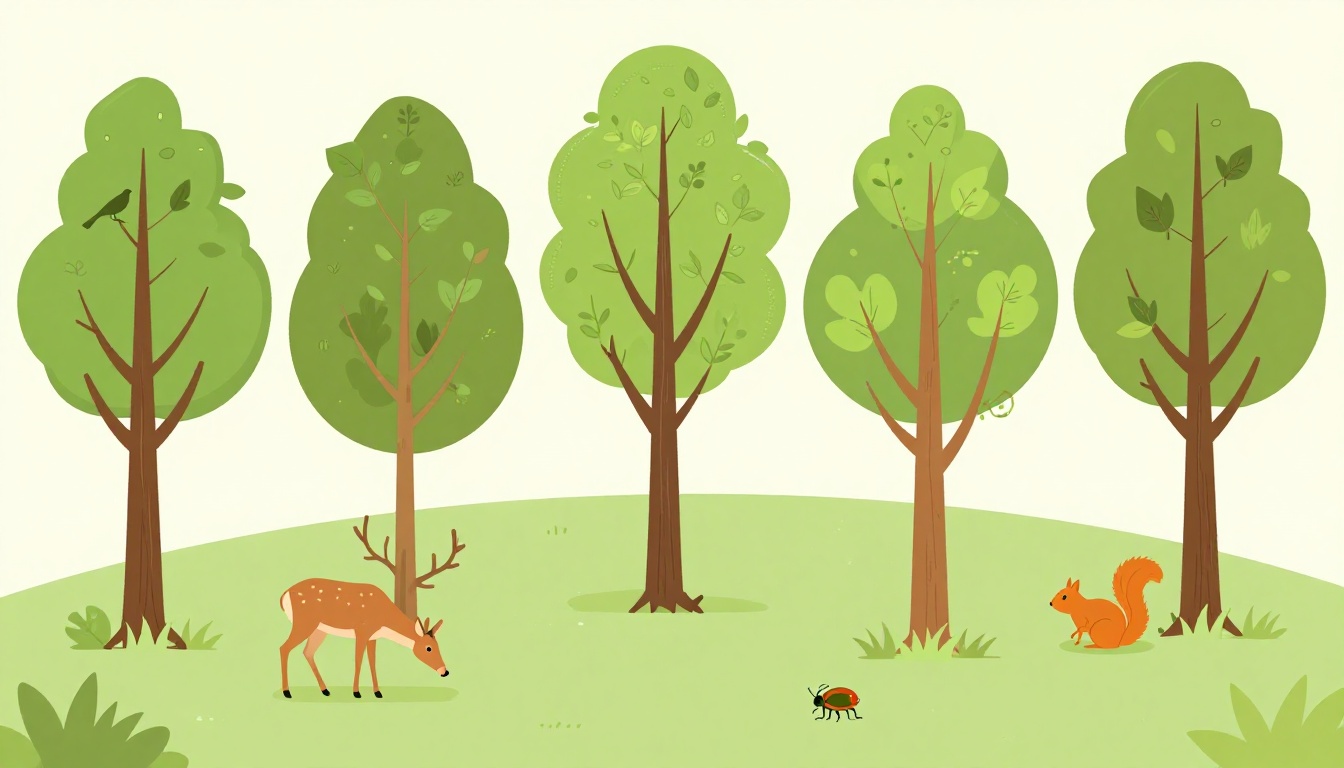
Forests shelter over 80% of species on land. Yet many places lack trees due to old losses or never had them. Afforestation plants trees there to build new habitats. It differs from natural regrowth because people choose spots and species.
You care about wildlife. Animals need homes, food, and safe paths. Done right, afforestation creates these. It draws birds, mammals, and insects back fast. Recent studies from 2025 and 2026 show real gains in bird numbers and species recovery.
This article covers how new forests offer shelter and food. It shares success stories from the US and Brazil. You’ll learn hurdles and fixes too. Plus, check 2026 global trends. Afforestation, when smart, lifts biodiversity big time.
How New Forests Provide Lifesaving Homes for Animals and Plants
New trees turn empty land into safe spots. Animals hide from predators in branches and roots. Birds nest high up. Small mammals burrow below. In addition, leaves block wind and rain.
Trees pull water into soil. This keeps ground moist for amphibians. Insects flock to bark and flowers. Soon, a full food web forms. Diverse planting helps most because pests stay low.
A 2023 BiodiversiTREE study found mixed trees resist bugs better. Wildlife thrives in layers from canopy to floor. For example, warblers eat insects from leaves. Squirrels store nuts from acorns.
These forests link broken patches. Animals travel corridors safely. Seeds spread farther. As a result, species recover quicker.
Turning Barren Ground into Bustling Ecosystems
Bare hills bake under sun. Plant trees, and shade cools soil. Roots hold water during dry spells. Bushes fill gaps for cover.
Canopy blocks sky views. Predators spot less prey. Understory hosts berries for birds. Ground layer draws worms and frogs.
In West Virginia, red spruce planting covers 3,000 acres since 2015. Salamanders love the damp floors. Birds return for seeds. Projects like this create stacked homes fast.

Layers matter. Tall trees feed big herbivores. Shrubs shelter young. Everyone fits.
Boosting Food Chains from Roots to Sky
Trees drop fruits and nuts yearly. Deer munch leaves. Rabbits nibble bark. This feeds carnivores too.
Flowers call bees and butterflies. They pollinate more plants. Insects boom, so bats and birds eat well.
In Brazil’s Mantiqueira Mountains, new trees aid woodpeckers. They drill for bugs. Fruits lure monkeys, which drop seeds. Jaguars follow prey into spots.
Food flows up. Roots feed soil life. Leaves nourish grazers. Predators top it off. Healthy chains mean stable populations.
Real Stories of Animals Thriving After Tree Planting
Projects prove afforestation works. Places once quiet now buzz. Birds sing. Mammals roam wider.
Teams plant natives. They monitor changes. Species counts rise within years. These wins inspire more action.
Global pledges help. UN Goal 15 pushes life on land. COP30 in 2025 added funds. Brazil’s Tropical Forests Forever Facility got $7 billion for tropics.
Red Spruce Revival Rescuing Appalachia Wildlife
West Virginia lost most red spruce to logging. Now, groups plant over 100,000 seedlings yearly. Canaan Valley and Cheat Mountain lead.
Trees hit canopy height. Seeds feed warblers and finches. Salamanders thrive in wet shade near streams. Since 2015, 3,000 acres rebuilt habitats for 240 rare species.
Volunteers keep going in 2026. Invasives cleared. Bears and goshawks spot more homes. Data shows slow but steady recovery.

Black bears roam freer. Forests link up.
Brazil’s Mountain Forests Welcoming Back Big Cats
Mantiqueira project restores 1.2 million hectares by 2030. Atlantic Forest rebounds. Native hardwoods grow on old farms.
Woodpeckers hammer trunks for grubs. Fruits draw 174 bird types. Corridors pull jaguars back; one sighted in 2024 nearby.
Hubs train locals. Billions fund planters. Half progress came recent years. Prey rises, so cats stay.

Habitats connect. Big cats prowl safe.
Overcoming Hurdles to Make Afforestation a Biodiversity Win
Not all planting helps. A February 2025 Science study warns of grassland harm. Trees there shade out birds and mammals. Losses beat climate gains.
Savannas suffer too. Open lovers flee. Yet tropics shine. March 2026 data ranks moist forests best.
Fixes exist. Restore old woods first; it’s 7-9 times cheaper. Plant natives on degraded land only.
| Challenge | Risk to Wildlife | Smart Fix |
|---|---|---|
| Grasslands/savannas | Bird/mammal drop | Skip; restore past forests |
| Monocultures | Pest booms, low diversity | Mix 5+ natives |
| Wrong spots | Local extinctions | Target tropics, degraded sites |
This table shows paths forward. Balance counts.
Steering Clear of Grassland Wildlife Losses
Open lands host unique life. Zebras graze. Eagles soar. Trees crowd them out.
Studies model 14,000 species. Afforestation hurts vertebrates most. Reforestation wins instead. Plant where woods grew.
Protect first. Then add. Wildlife stays happy.
Science-Backed Steps for Success
Pick natives. Mix species for biomass and cycles, per a Communications Biology meta-analysis.
Focus tropics. China’s bird gains prove it, with 402 species up from restoration. Surround with farm buffers for birds.
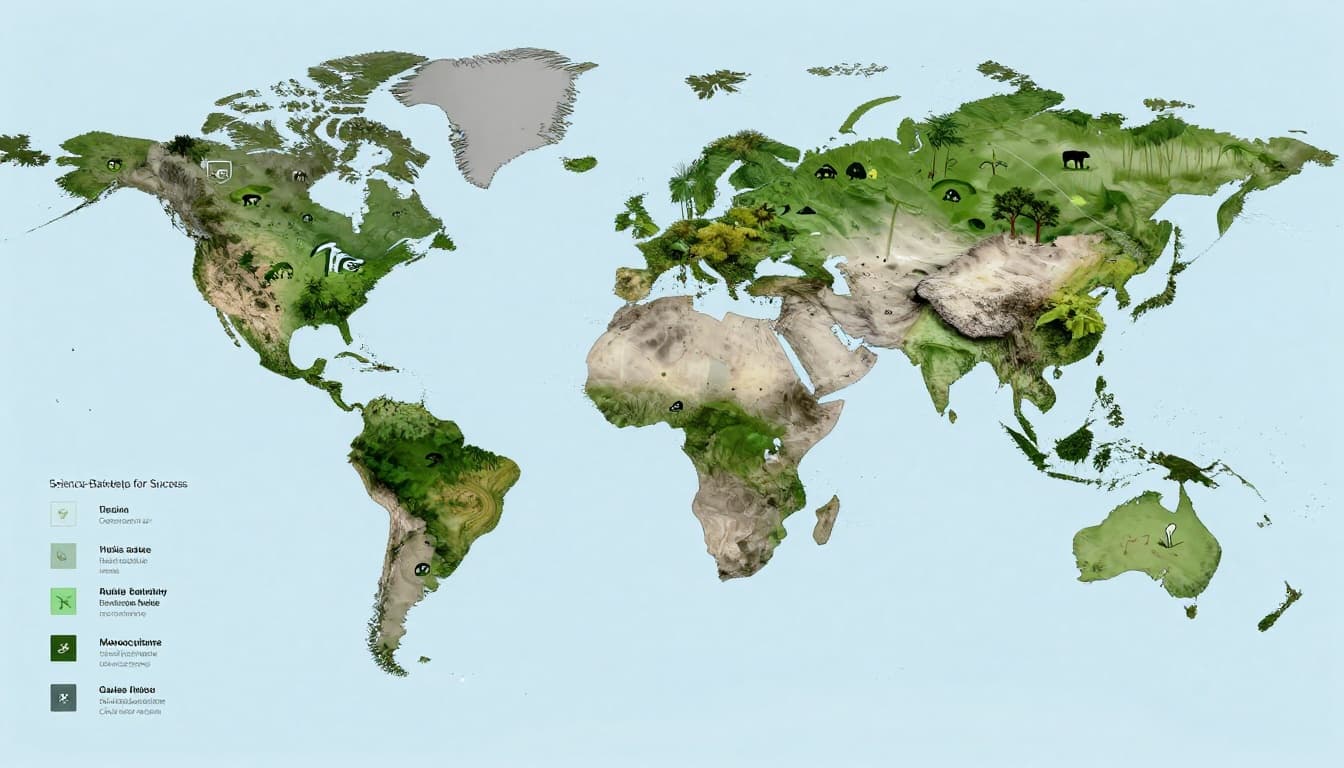
Steps build wins. Birds flock back.
The 2026 Global Push for Smarter Tree Planting
April 2026 brings hope. UN goals mix restoration and afforestation. Kazakhstan adds forests for wildlife by 2035.
COP30 funds flow. TFFF pays for standing tropics. Brazil cuts Amazon loss low.
Certifications check biodiversity. Uganda links patches; birds rise. Natives beat exotics, Yale says.
Support locals. Agroforestry in Tanzania aids gorillas. Trends favor afforestation with care. Species rebound. Carbon stores too.
Afforestation builds homes and food webs. Stories from Appalachia and Mantiqueira show animals return. Best practices dodge pitfalls like grassland planting.
Smart choices lift biodiversity. Join a local plant day. Donate to projects. Back policies for natives.
What spot near you needs trees? Act now. Wildlife futures brighten with your help.