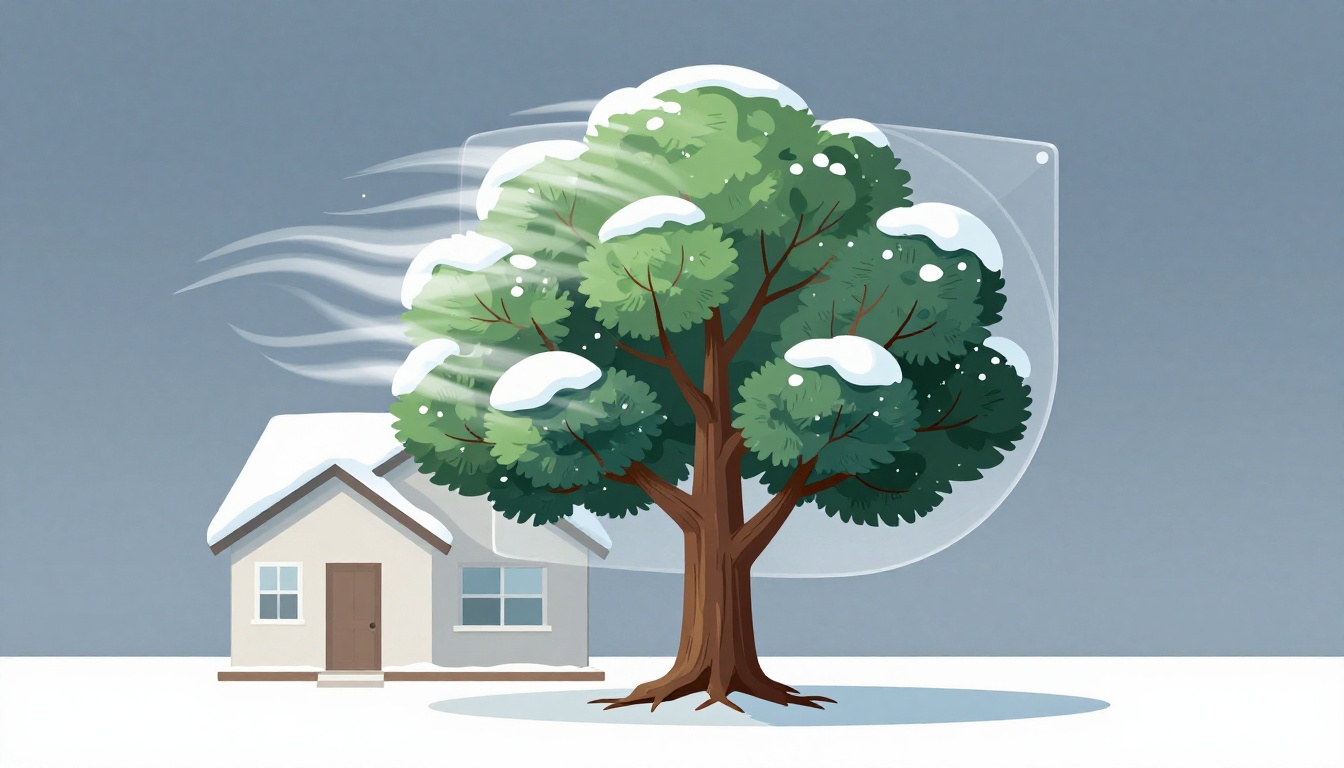
Winter Storm Hernando hit New Jersey in February 2026 with over 30 inches of snow in places like Lyndhurst. Winds gusted to 60 mph, and heavy ice snapped branches across the state. Trees fell on homes and power lines, leaving 100,000 without electricity for days.
You might have seen it yourself: yards littered with limbs, repair bills piling up. Those downed trees cost billions in cleanup and fixes across the Northeast. But protected trees mean safer homes, less spending on repairs, steady shade, and better flood barriers.
My own backyard oak made it through that blizzard unscathed because I prepped it years ago. Neighbors lost maples instead. This post shows you how. You’ll learn to pick tough trees, prep them right, act during storms, recover smartly, dodge common errors, and use fresh tools.
Pick Trees That Thrive in Your Local Extreme Weather
Start by checking your area’s risks. High winds batter coasts. Droughts scorch the Southwest. Floods soak the Midwest. Heavy snow loads Northeast branches. Ice storms crack trunks. Heatwaves stress roots. Wildfires threaten the West.
Native trees handle these best. They root deep and bend without breaking. Oaks resist wind and flood in the East. Magnolias shrug off ice up North. Plant them for long-term wins as climates shift.
Pick the right spot too. Stay out of low areas prone to floods. Keep trees 20 feet from houses to dodge falling limbs in gusts. Space them so crowns don’t tangle during storms.
Young trees need extra care to grow strong. Stake them loosely for straight trunks. Water deeply but rarely to push roots down.
Here are solid native picks by region:
- Northeast: Red oak or sugar maple for snow and wind.
- Southeast: Live oak or southern magnolia against hurricanes.
- Midwest: Bur oak for floods and tornadoes.
- Southwest: Mesquite for drought and heat.
- West: Ponderosa pine for wildfires.
For more on climate-ready choices, check this species selection guide for 2050. It matches trees to future conditions.
Prep Your Trees to Withstand Storms and Harsh Conditions
Act before trouble hits. Thin the canopy first. That cuts wind catch and snow weight. Trees act more aerodynamic, so they sway instead of snap.
Hire a certified arborist for checks. They spot rot or weak spots you miss. For old trees, add cabling or bracing. Cables let branches flex. Braces hold splits.
Mulch roots in a donut shape. Pile 3-4 inches deep, but keep it 6 inches from the trunk. This holds moisture, blocks weeds, and steadies soil against freezes.
Water deep in fall before ground hardens. That prevents winter drought stress. Wrap young, thin-barked trees with guards. They block sunscald and dry winds.
Trends show more folks thinning now after 2026’s big storms. It pays off big.
Prune Smartly for Less Wind Damage and Ice Weight
Prune to let wind pass through. Remove dead, crossing, or rubbing branches. Thin dense spots in the top. Never top trees; that weakens them.
Do it in late winter or fall. Branches heal fast then, with less pest risk. Aim to cut no more than 25% at once. Overdo it, and you stress the tree.
Picture a sailboat: full sails catch wind and tip. Trimmed sails glide steady. Same for trees.
Use Mulch, Water, and Wraps to Guard Roots and Bark
Spread mulch right. Clear grass around the base first. Then add 3-4 inches of wood chips or bark. Form a ring, not a mound against the trunk. That fights rot.
Water new trees weekly in dry spells. For drought prep, soak 10 gallons per inch of trunk diameter. In fall, give one last deep drink before frost.
Wrap trunks on young maples or cherries. Use white plastic guards. Spiral them up 5 feet. Remove in spring to avoid bugs.
Get Pro Help for Inspections and Structural Support
Arborists catch hidden decay with taps and probes. They climb high for full views. Cables use steel rods between limbs. Braces bolt rigid holds.
In 2026, some use drones for fast scans. You spot cracks from above without risk. Fix early, and you save thousands later.
Stay Safe and Take Action While Bad Weather Hits
People come first always. Stay inside during high winds or floods. Fallen trees kill more than you think.
For snow or ice, brush loads off low branches if safe. Start outside and work in. Use a long pole; don’t climb.
Tie down loose yard gear. Patio chairs or pots fly into trees and break limbs. Secure them.
Build a 30-foot clear zone around homes for wildfires. Double it for tall pines. Thin fuels like dead grass.
In floods, skip driving near soaked roots. Water hides washouts. For drought, follow local rules on hoses. Shelter pets under sturdy roofs.
Inspect and Recover Your Trees Right After the Storm
Walk your yard soon after. Look for leans over 15 degrees. Check for cracks at the base or tears in bark. Tag hazards with bright tape.
Cut broken limbs clean. Pros handle big jobs. Wait for dry days to prune. Wet wood spreads disease.
Floods loosen soil. Press roots back firm. Add fresh mulch and water slow.
Replant with natives. They heal ecosystems fast. Note damage for aid claims.
Spot Dangers and Make Quick Fixes
Splits in trunks scream trouble. Heavy leans mean uprooted roots. Gaping bark wounds invite bugs.
Saw small hangs yourself if steady. Cut above the branch collar. Call pros for anything over ladder height.
Prune Damage Properly to Promote Healing
Grab sharp pruners or a saw. Make angled cuts to shed water. Leave no stubs.
Seal nothing; trees heal best open. Skip big prunes until pros assess. They check for shock.
Replant Smarter and Tap Recovery Aid
Dig holes twice as wide as roots. Set at soil grade. Pick deeper-rooted types next time.
File for USDA help. Programs cover storm losses. See details on severe storm recovery resources. Document with photos.
Skip These Tree Protection Mistakes and Try New Tech
Don’t ignore rot; it topples trees silent. Topping creates weak stubs that snap easy. Mulch volcanoes rot trunks fast.
Skip pre-winter water, and roots dry out. Plant non-natives; they flop in locals’ weather. React only after storms wastes time.
Now try 2026 tools. Drones scan canopies quick for arborists. Apps like Treesilience track urban health. Laser pruners guide clean cuts. USDA apps speed aid claims.
These cut costs and guesswork. Grab a kit for home braces.
Your trees stand stronger with prep. Start with an arborist check this week. Plant one native sapling today.
Picture yards full of tough trees. They cool air, block floods, and shade homes. You build that future now. Grab our free storm prep checklist below for quick steps.