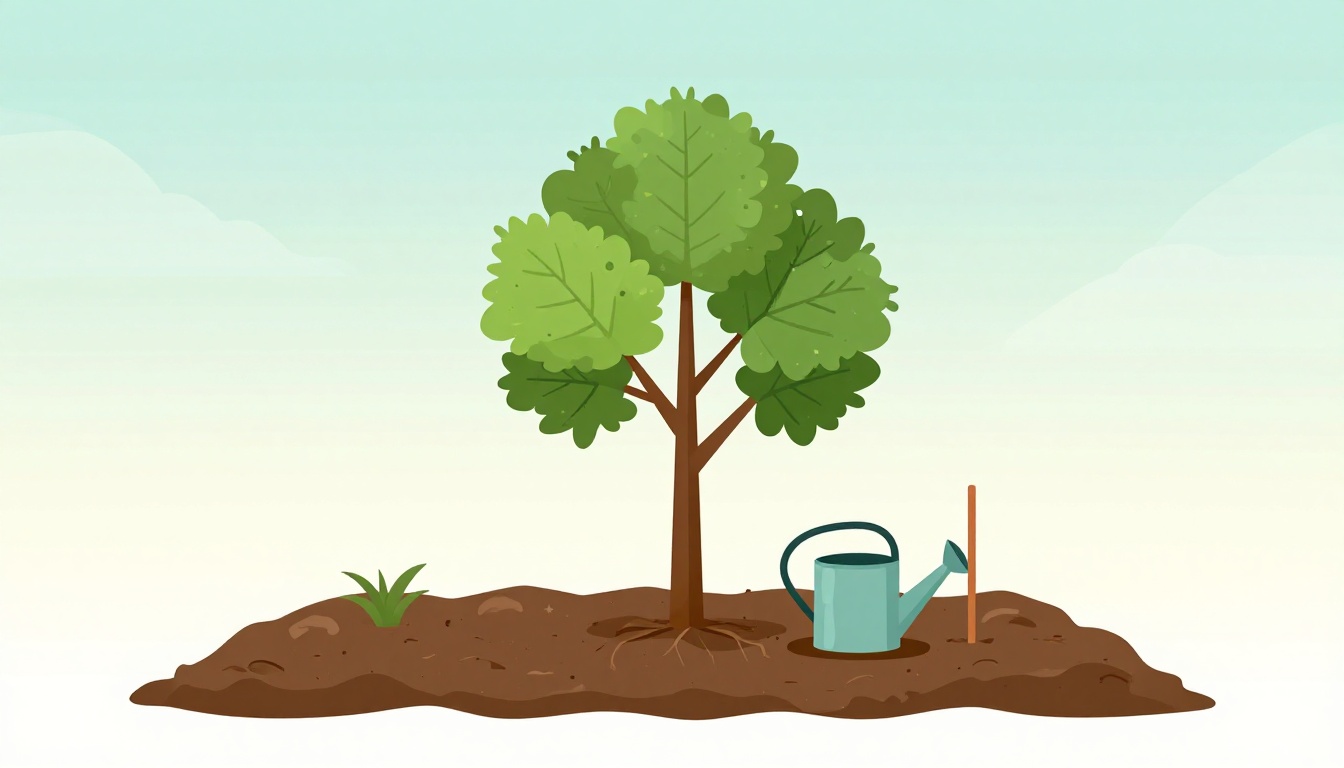
Newly planted trees in the US face tough odds. Survival rates range from 20% to 84% after one to three years, based on recent data from projects like those in Colorado burn areas. Poor care causes most losses from drought, heat, and weak roots.
You want trees that cool your yard, clean the air, and stay beautiful for years. Bad choices or simple errors kill them fast. This guide shares steps to boost those rates.
Follow smart site picks, soil prep, planting tricks, watering, mulching, protections, and fixes for common slip-ups. You’ll set trees up for long life. Let’s get started.
Start with the Right Tree in the Right Place
Pick a tree that fits your yard, and survival chances double. Wrong spots stress plants from day one. Match needs to your climate, soil, and space first.
Check your USDA hardiness zone with tools like this 2026 growing seasons guide. Zones tell minimum winter temps. A zone 5 tree dies quick in zone 7 heat.
Sun matters too. Full-sun oaks flop in shade. Measure mature size. A 50-foot giant crowds power lines or blocks views. For example, plant red maples near patios for fall color without takeover.
Soil type guides species. Sandy spots suit oaks; wet areas take birches. Test pH at a garden center. Most trees like 6.0 to 7.0.

Match Your Climate, Soil, and Space Needs
Assess your yard step by step. Dig samples for soil type: sandy drains fast, clay holds water. Sun exposure runs from full blast to dappled.
Measure space three times mature width. Plant shade trees south or west for summer cooling. Privacy screens go along fences.
Mix species for pest fights and climate shifts. One oak, one maple beats all maples. Local natives adapt best, so they root deep without fuss.
Time Your Planting for Least Shock
Plant in dormancy for root growth before stress hits. Early spring works after soil thaws but before buds swell. Fall shines too, post-leaf drop till frost.
Temperate zones see best results then. Roots settle cool without leaf drain. Avoid summer heat or winter deep freezes. Check local extension for tweaks.
Dig and Plant Like an Expert Arborist
Proper digging cuts transplant shock. Roots spread wide and fast in good setups. Skip this, and trees struggle.
Dig holes two to three times root ball width. Keep depth the same as pot or burlap. Wide lets roots push out easy.
Break up soil sides. Mix native dirt with compost over a broad area. Don’t fill holes with rich mix alone; roots stay trapped.
Shave circling roots on container trees. They strangle later. Set root collar at grade level.

For details on these steps, see Utah State Extension’s planting guide.
Prep a Wide Hole and Fix Soil Issues
Start with a saucer shape. Wide top tapers slight. Loosen bottom 12 inches.
Add compost to top 24 inches of native soil for poor types. Sandy needs organics for hold; clay gets gypsum for drain. Score glazed walls so roots grab.
Work amendments in, not just the hole. This builds a root zone.
Handle Roots and Set the Tree Just Right
Tease container roots apart. Cut girdlers. Remove pots or burlap full.
Straighten tree. Backfill in layers; settle with water. No air pockets. Firm soil gentle.
Skip stakes unless wind howls. They weaken trunks. If used, loose ties, check often.
Nurture with Smart Watering, Mulching, and Protection
First years count most. Deep water builds roots. Mulch holds it. Guards block threats.
Water twice weekly first summer, then dry spells. Drip lines beat sprinkles.
Mulch three inches deep in rings. Refresh yearly.
Protect with mixes and checks.

Learn more from CSU Extension on mulching benefits.
Water Deeply to Build Tough Roots
Soak slow to 18 inches deep. Shallow sips make surface roots. Droughts kill them first.
New trees need one inch weekly first two years. Taper as roots grow. Probe soil; dry four inches down means water.
Mulch Right to Lock in Moisture and Fight Weeds
Use wood chips or bark. Pile in doughnut shape, trunk clear. Blocks mowers, cuts weeds 90%.
Three inches max. More smothers. Refresh spring.
Guard Against Pests, Animals, and Damage
Plant diverse to dodge outbreaks. Watch leaves weekly.
Call 811 before digs. Loose stakes prevent girdle. Prune light first years; hire pros.
Trunk wraps stop sunscald. Fences block deer.
Dodge These Deadly Mistakes New Planters Make
Errors kill fast. Fix them for 60-80% survival.
- Plant too deep. Buried collars suffocate. Roots rot. Fix: expose at grade.
- Dig narrow holes. Roots circle, starve. Fix: three times wide.
- Ignore circling roots. They strangle trunks later. Fix: cut straight ones.

See Nebraska Forest Service’s top 10 mistakes. 4. Build mulch volcanoes. Piles at base cause rot. Fix: ring away. 5. Water shallow. Weak roots fail dry spells. Fix: deep soaks. 6. Wrong tree spot. Mismatches stress constant. Fix: match zone, soil, space.
Set Up Your Tree for Decades of Healthy Growth
Consistency pays off. Trees live generations with care.
Water deep in droughts. Check mulch and prunes yearly. Scout pests early.
Plan for maturity. Thin groves for air. Your yard turns oasis.

Right starts lead here.
Boost survival with site picks, wide holes, deep water, mulch rings, and mistake dodges. Trees thrive to 80% plus.
Act this spring. Plant one right, watch it grow. Share your wins in comments. Greener yards start now.