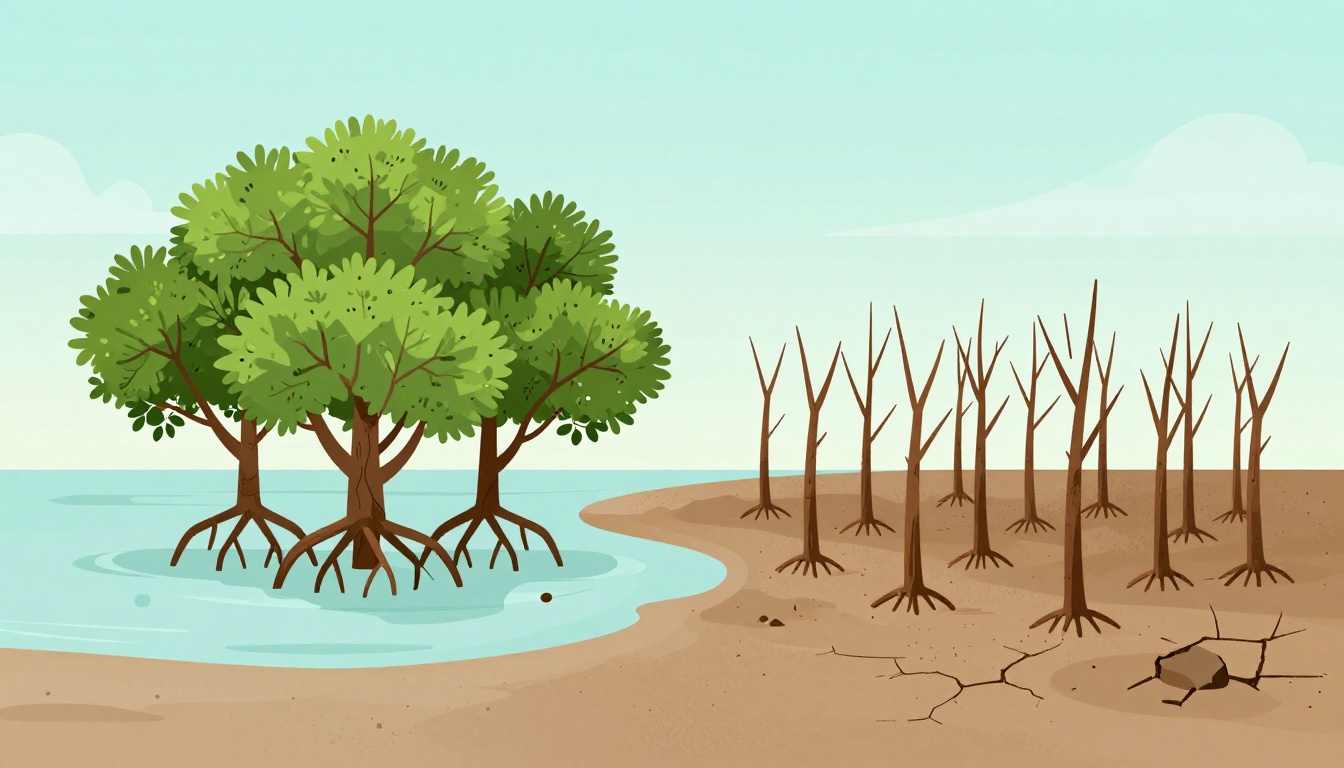
Mangrove afforestation projects succeed only about 15 to 20 percent of the time. That means millions in funding vanish into ghost forests. Afforestation means planting trees on bare land to create new forests. These efforts promise big wins like carbon storage and better climate resilience.
People get excited about quick fixes for deforestation. Yet many projects leave dead saplings behind. Common pitfalls include poor tree choices, short-term focus, ignoring locals, and bad success measures. What really goes wrong?
Why Wrong Tree Choices Spell Disaster
Planting the wrong trees dooms projects from the start. Trees must match local soil, water, climate, and terrain. Otherwise, diseases, floods, or storms wipe them out fast. Monocultures make things worse by inviting pests and killing biodiversity.
For example, muddy sites for mangroves wash away in tides. Savannas suffer when trees block natural grasses. A 2020 Duguma study stresses matching sites to species. Survival rates drop by half or more without this step.
Think of it like growing cacti in a swamp. They rot quick. Right choices use native seeds that thrive. They build real ecosystems, not green deserts.
Soil and Climate Mismatches That Kill Seedlings Fast
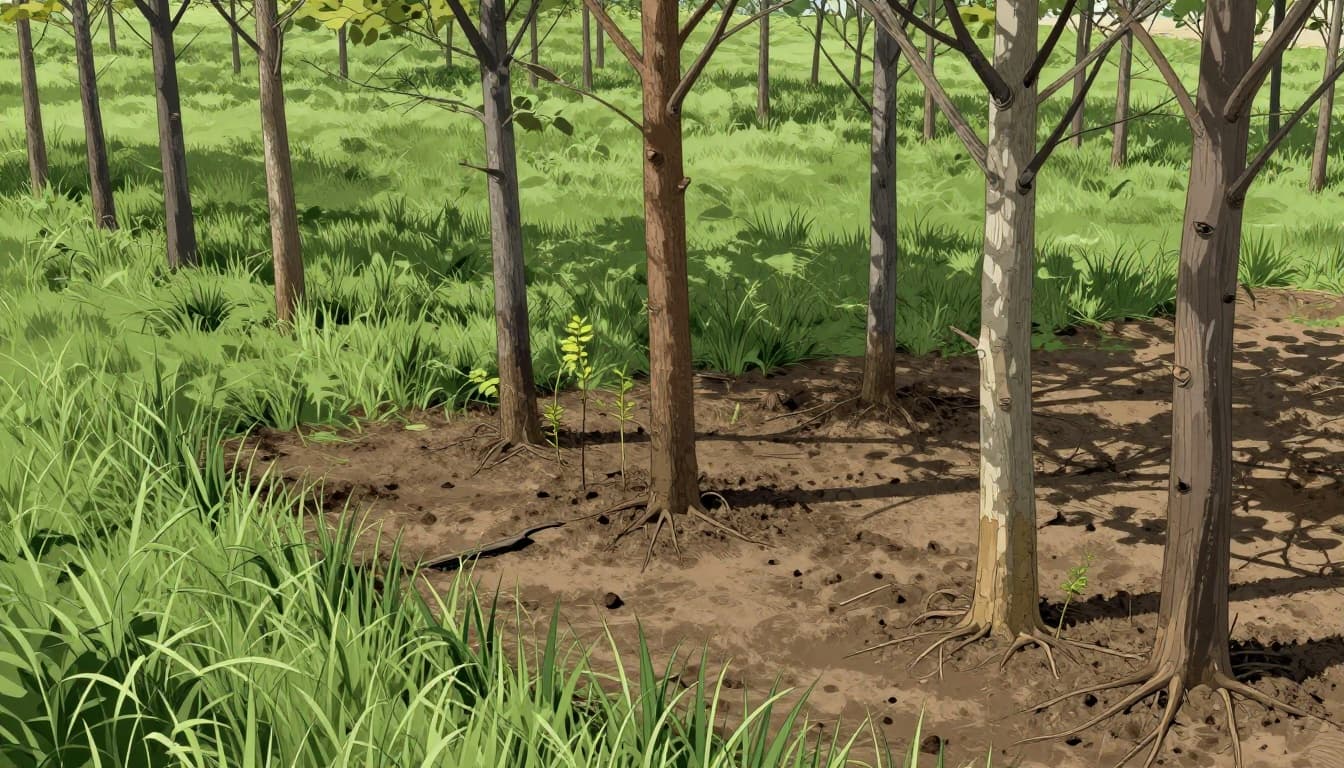
Soil drains water wrong for many imported trees. They need specific oxygen levels that bare land lacks. Floods drown them; droughts starve them.
A 2025 Wetlands International analysis shows mangroves survive only in sheltered spots. Harsh sun or poor drainage ends saplings in months. Native plants handle these stresses better. So projects pick them for real success.
Monocultures: A Recipe for Disease and Emptiness
Single-species plantings lack variety. Pests target the whole crop easy. Wildlife skips these empty zones. Water cycles disrupt too.
Fast-growing trees for profit cut biodiversity most. In African savannas, they harm underground carbon storage. Diverse mixes resist better. They support life long-term.
Skipping Long-Term Care Creates Phantom Forests
Projects often end after planting. No one waters, weeds, or guards the trees. Saplings face animals, fires, and weather alone. These become phantom forests, counted as wins but gone soon.
The Duguma et al. 2020 study calls for 10-plus years of monitoring. Check grown trees, not just planted ones. Climate shifts add risks like wildfires. Without care, efforts waste away.
Project Timelines Too Short to Matter
Funding stops in two or three years. Trees need decades to mature. No budget means no support.
Experts push survival stats over planting counts. Short timelines hide true failure rates. Long plans build lasting forests.
Missing Protection from Animals and Weather
Herbivores chew young shoots. No fences or guards let that happen. Droughts burn them; fires spread fast.
US projects struggle with weak seed supplies too. Basic protections like watering save most losses. Skip them, and nothing grows.
Ignoring Local People Leads to Sabotage
Communities cut trees for fuel, grazing, or crops when left out. They see no benefits or ownership. Tree tenure gives them stakes to protect plantings.
Pakistan’s Billion Tree Tsunami hurt nomads’ grazing lands. China’s Grain for Green faced animal damage and habitat fights. A Northern India 50-year review found no forest gains, just fewer useful trees like fodder plants.
Locals know best species and care methods. Include them early for success.
Land Rights Conflicts That Destroy Progress
Projects grab grazing or farm land without consent. Locals remove trees to reclaim space. Tensions kill progress fast.
Clear rights prevent sabotage. Shared benefits keep everyone invested.
Overlooking Valuable Local Wisdom
Communities spot best trees and spots. They predict weather and pest risks. Ignore that, and projects flop.
Their input boosts survival. It turns outsiders into partners.
Flawed Goals That Reward Failure
Funders chase hectares or saplings planted. Speed trumps survival. This rushes bad work and hides deaths.
Dead trees store no CO2. It wastes climate goals. Studies call for growth metrics instead. Tie funds to real results.
A Yale E360 report on phantom forests shows big flops. Metrics fix rewards true wins.
Metrics Obsessed with Quantity, Not Quality
Reports brag on plantings. High death rates stay quiet. Funders repeat mistakes.
Quality checks like height or canopy cover work better. They spot issues early.
Real-World Flops Backed by Recent Data
A 2025 mangrove Guinness site failed total. Mongabay notes 70 percent mangrove projects struggle in Asia and Latin America. India satellites show no new forests. China and Pakistan issues drag on.
Global trends match. Deforestation outpaces gains by millions of hectares yearly.
Afforestation fails from mismatched trees, no care, ignored locals, and weak metrics. Fix it with native species, 10-year plans, community roles, and survival tracking. Experts like Duguma show people-centered ways work.
Support smart projects. Share these lessons. What failure have you seen? Let’s build forests that last.