Trees clean the air you breathe. They provide cool shade on hot days. Plus, they create homes for birds and bugs. Yet, studies show 20 to 50 percent of newly planted urban trees die within the first few years. Poor planning causes most of these losses, from bad spots to wrong timing.
You want your trees to thrive for decades. Smart steps from the start make that happen. This guide covers the basics: scout your site, pick native trees, handle permits and timing, then design layout and prep soil. Follow these, and your project succeeds.
Scout Your Site to Avoid Costly Mistakes
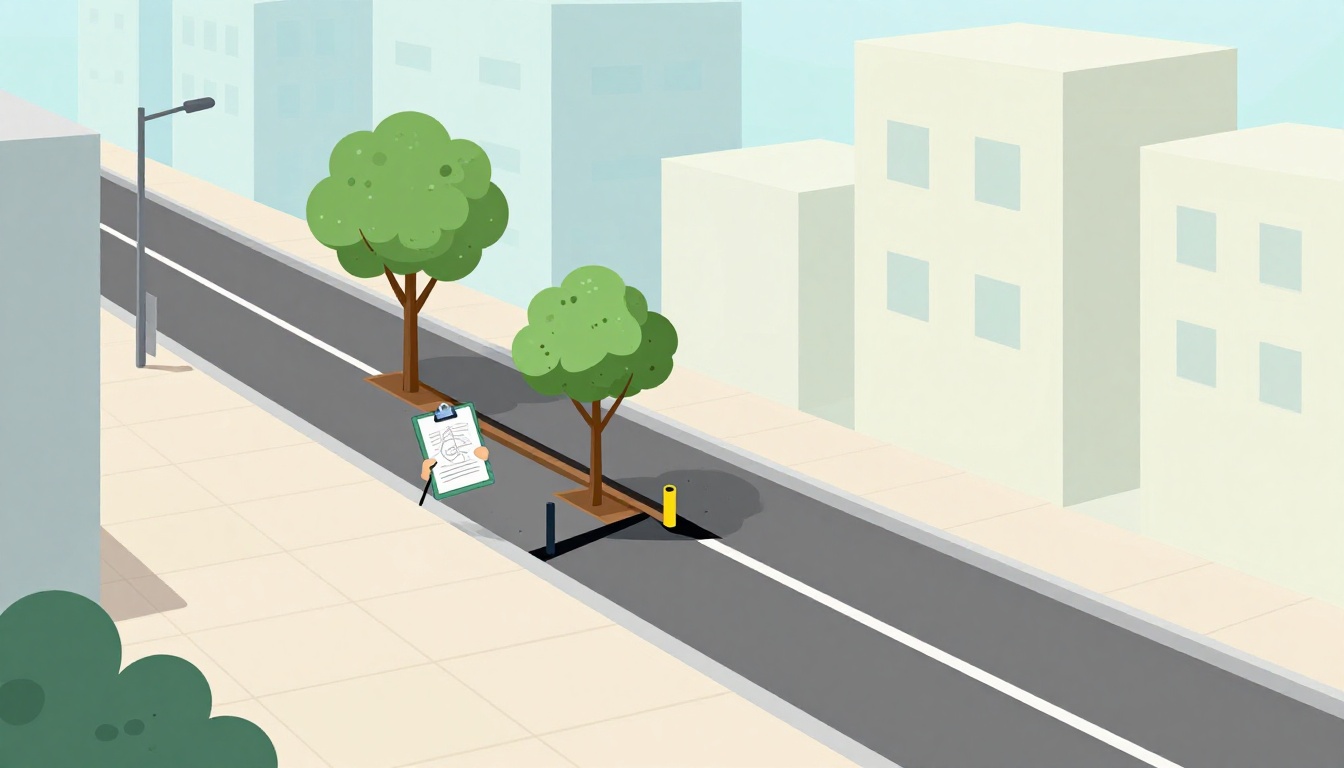
Walk your site first. Note every detail. Sketch a simple map with streets, buildings, power lines, and slopes. This prevents big problems later.
Call 811 before you dig. They mark underground utilities like gas lines or cables. Hitting one costs time and money. Free service, and it takes just days.
Spot poor drainage early. Water pools in low spots after rain? Skip those. Limited space near walls squeezes roots. Check now to save hassle.
Local arborists or extension services offer free advice. They know your area’s quirks. For more details, see this comprehensive guide to site analysis.
Check Soil Type, Drainage, and Sunlight
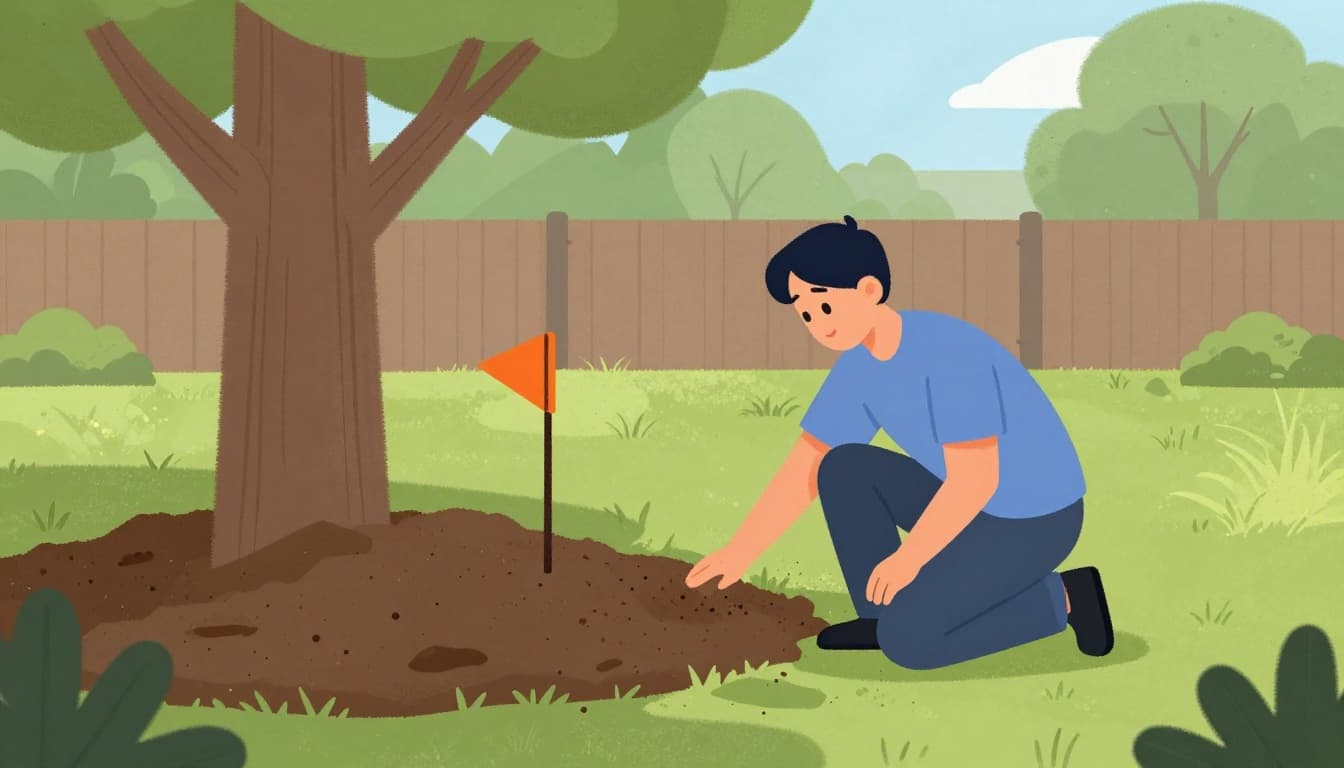
Grab a handful of soil. Squeeze it. Sandy soil falls apart fast. Clay sticks together. Silt feels smooth like flour.
Test drainage with a hole. Dig one foot deep, fill with water. It drains in hours? Good sign. Stays wet? Problem area.
Watch sunlight patterns. Full sun hits six hours or more daily. Shade lingers under buildings. Match trees to these spots. They grow strong without extra effort.
Kits from garden stores confirm pH and nutrients. Simple tests guide fixes.
Spot Obstacles Like Utilities and Flood Zones
Power lines overhead? Pick small trees. Big ones grow 25 feet in ten years. Roots from old stumps tangle new ones.
Flood zones kill fast. Check past rain patterns or maps. Avoid them.
Map everything. Safe spots jump out. Your trees stay healthy long-term.
Select Native Trees That Fit Your Conditions Perfectly
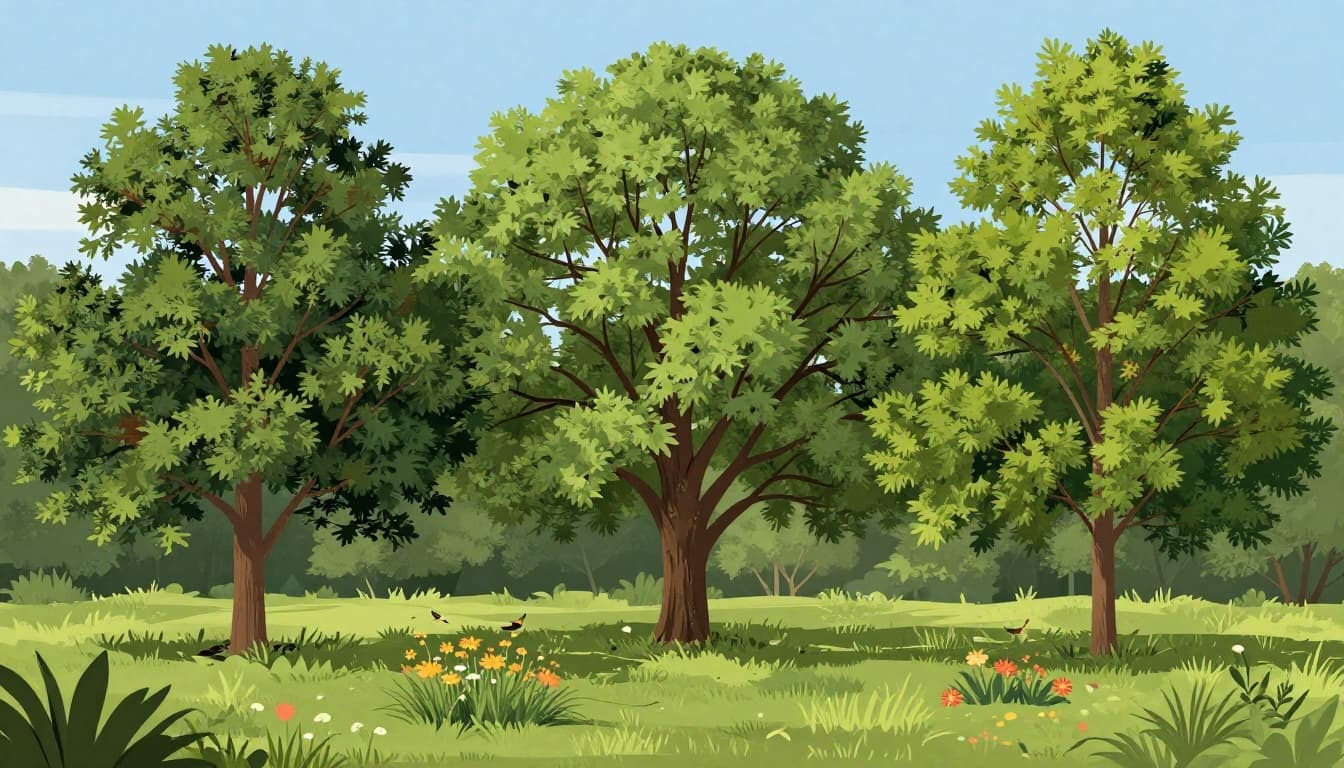
Native trees match your local soil and weather. They need less care. Check lists from forest services or regional native plant lists.
In 2026, folks pick climate-tough natives. Shumard oak handles dry Midwest spells. Bald cypress takes floods. Desert willow beats Southwest heat.
Mix species for strength. One pest skips your whole group. Skip invasives. They crowd out good ones.
Sun, water, and mature size must fit your map. Small dogwood for shade spots. Tall oak for open areas.
Why Native Trees Win Every Time
They support local wildlife best. Birds nest, bees pollinate. Survival rates top 90 percent with good care.
Low upkeep saves water and time. No fertilizers needed often. Roots dig deep in familiar soil.
Examples help. Red maple shines in Northeast. Texas mountain laurel fits dry South. Contact nurseries for your list.
Match Species to Your Exact Site Needs
List your site’s sun, water, and space. Cross-check tree tags. Oak for full sun, clay okay. Serviceberry for partial shade.
Biodiversity protects. Plant three types. Storms or bugs hit less hard.
Experts tailor picks. Your yard thrives.
Handle Permits and Nail Down the Best Planting Time
Start permits six weeks early. Check city rules or landowner okay. Street trees need extra steps. See street tree planting permit details for examples.
Talk to neighbors. Flyers build support. Community buy-in smooths issues.
Plan 6 to 12 months ahead. Scout in summer. Plant in dormant season.
Fall works best overall. Roots grow over winter. Early spring follows close.
| Region | Fall Window | Spring Window |
|---|---|---|
| Northern US | Late Sep–early Nov | Late Mar–early May |
| Midwest/Northeast | Mid-Oct–early Dec | Early Apr–mid-May |
| Pacific Northwest | Late Oct–mid-Dec | Mid-Mar–early May |
| Southeast/Southwest | Nov–early Jan | Feb–early Apr |
This table shows key times by area. Adjust for your frost dates.
Secure All Needed Permits Smoothly
Local rules vary. Cost-share programs from state agencies help big projects.
Submit plans early. Include tree types and spots. Approval comes faster.
Neighbors on board? Complaints drop.
Choose Fall or Spring for Top Results
Dormant trees face less stress. No leaf work means roots settle.
Fall edges spring because rain helps. Pick workable soil dates six months out.
Volunteers fit easier then. Weather cooperates.
Design a Smart Layout and Prep Soil Right
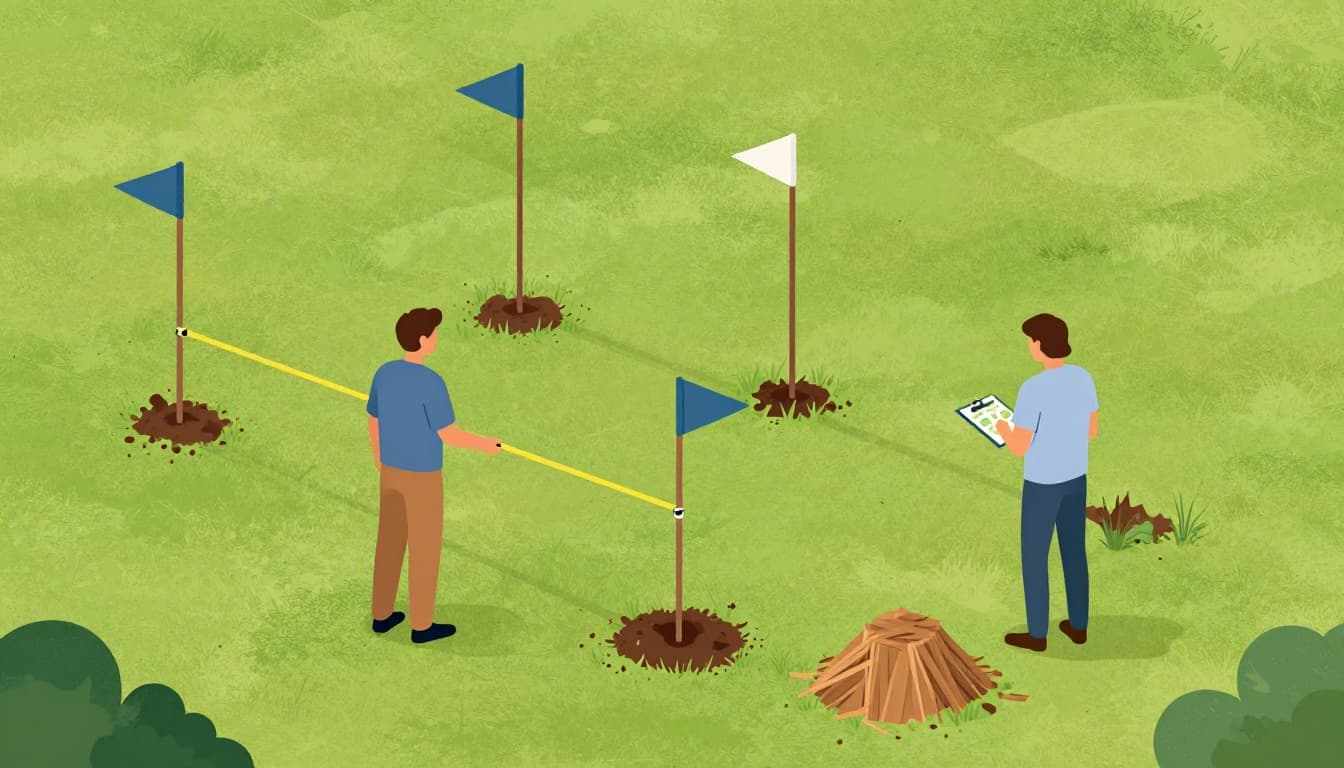
Flag spots on your map. Space trees for growth. 20 feet apart for mediums.
Base count on budget and helpers. Paths stay clear for access.
Clear weeds in fall. Dig holes two to three times wider than roots. Same depth.
Keep root flare at ground level. Backfill with native soil. Add two-inch mulch ring. Skip touching trunk.
For tips, check soil prep best practices.
Map Spots and Space Trees for Long-Term Growth
Tech maps add precision if you like. Mark volunteer zones. Stock food and tools.
Crowded trees fight. Proper gaps let canopies spread.
Prep Soil Without Overdoing Amendments
Rough up hole sides. Flat bottom prevents sinking.
Amend poor soil only. Nursery advice guides. Water deep first years.
Mulch holds moisture. Roots stay cool.
Your trees establish fast.
Start with site checks and native picks. Secure permits, time for fall or spring. Layout and soil prep seal success. Plan 6 to 12 months early. Rope in community for 3 to 5 years of care.
Contact local experts now. Apps track growth. Your trees shade kids for generations. Check Arbor Day Foundation resources too. What spot calls to you first?