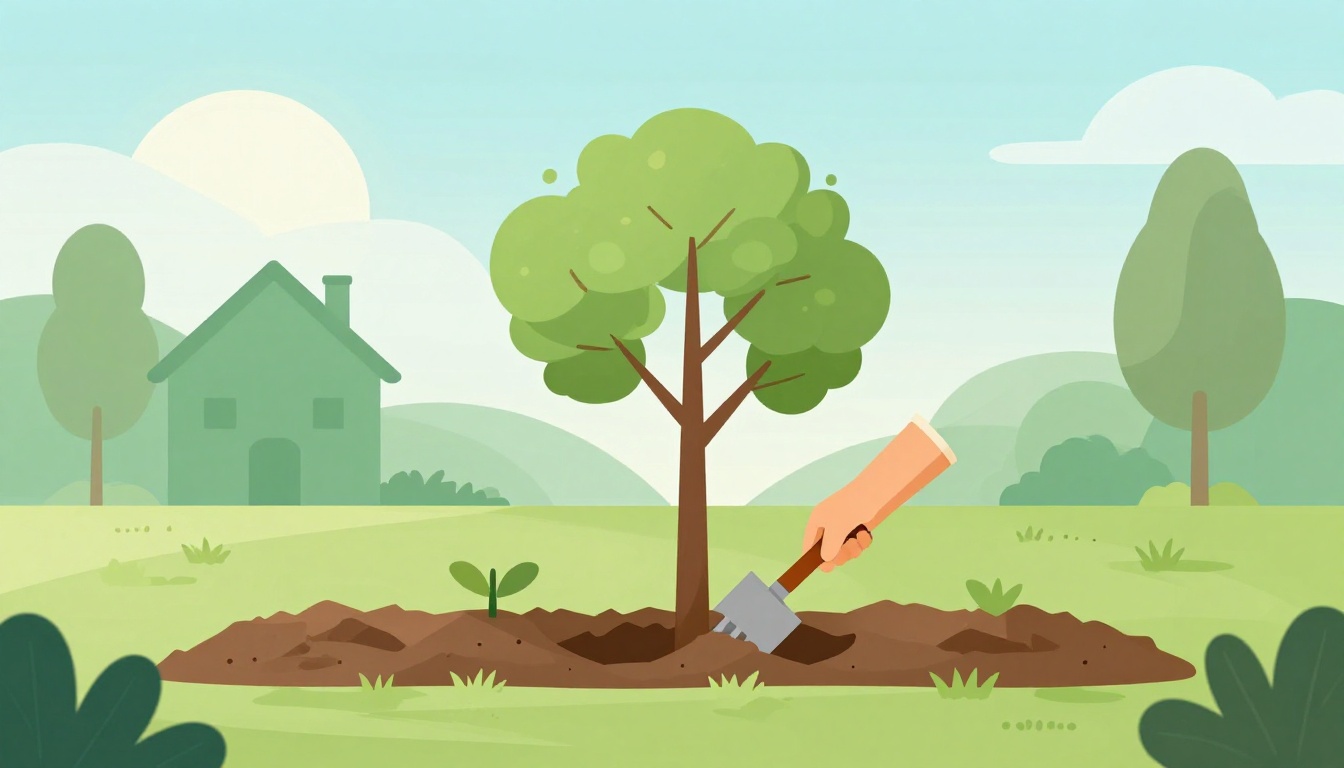
A single well-planted tree can cool your home during brutal heat waves. It cuts energy bills by 10 to 50 percent through smart shade on south and west sides. Plus, it boosts curb appeal and fights climate change by storing carbon.
Many gardeners plant trees wrong, though. They end up with stunted growth or dead saplings. This guide shows you how to plant trees correctly for better growth. You’ll learn to choose the right tree, prep the site, follow exact steps, care for it after, and skip big mistakes.
April 2026 brings early heat across the US. It’s prime time to plant shade trees and natives. Ready to grow a thriving tree that lasts decades?
Pick the Perfect Tree for Your Climate and Space
Start with a tree that fits your yard. Match it to your local conditions. That choice sets the stage for strong roots and fast growth.
Think about your USDA hardiness zone first. These zones show average winter lows. Pick trees that survive your area’s cold snaps. For example, zone 5 needs cold-hardy options like sugar maples. Warmer zone 9 suits palms or citrus.
Sun exposure matters too. Full sun trees need six or more hours daily. Shade lovers do best under porches or north sides. Soil type plays a big role. Test for drainage and pH. Sandy soils drain fast but lack nutrients. Clay holds water too long.
Deciduous trees drop leaves in fall. They shade summer heat but let winter sun through. Evergreens keep needles year-round for privacy screens.
Avoid planting just one type everywhere. Monocultures invite pests. Mix species for resilience. Always check mature size. A huge oak crowds a small lot.
Texas red oak works well in southern yards for shade. River birch thrives in moist spots. These picks grow strong because they suit the site.
In 2026, trends favor shade trees to beat urban heat. Plant them near homes to lower AC use. Natives like oaks boost pollinators and cut water needs.
Match Your Zone and Soil for Thriving Roots
Find your zone with a quick online map. The USDA Plant Hardiness Zone Map from The Old Farmer’s Almanac makes it simple. Enter your zip code. It shows your number from 1 to 13.
Zones shifted warmer in recent updates. Your garden might now support bigger trees. Still, pick proven locals.
Soil testing comes next. Buy a kit from a garden store. It checks pH and nutrients. Most trees like 6.0 to 7.0 pH. Acid lovers, like blueberries, prefer lower.
Sandy soil needs organic matter. Oaks and pines handle it well. They send roots deep for water. Clay soils compact roots. Loosen them first. Add compost to improve air flow.
A good match prevents yellow leaves or weak branches. Roots spread wide when happy. That leads to better growth overall.
For instance, pin oaks tolerate wet clay. They grow tall without stress.
Plan for Mature Size and Safe Placement
Trees grow big over time. Check height and width at full size. A 50-foot oak stays 30 feet from houses. Roots spread twice the canopy width.
Call 811 before digging. It marks utility lines. Keep trees 20 feet from sewers or power lines.
Place shade trees on west sides. They block afternoon sun best. Privacy screens go along fences. Use arborvitae there.
Wrong spots cause cracks in foundations. Branches hit roofs. Plan ahead for peace.
Space multiples 15 to 20 feet apart. That lets air flow and cuts disease.
Tap Into 2026 Trends for Smart Choices
Heat waves hit early this year. Shade trees top lists for cooling. Experts recommend top shade trees for homes. Dwarf fruit trees and evergreens lead.
Natives restore lost forests. Midwest groups plant millions with grants. They handle droughts better.
Spartan junipers offer dense privacy. Hornbeams fit small yards. These picks save energy and draw birds.
Fast-growers like hybrid poplars shade quick. But choose low-water ones for sustainability.
Trends push dense plantings over lawns. They cool air and fight heat islands.
Prep Your Planting Site to Give Roots a Strong Start
Roots need room to expand. Prep loosens soil three times the root ball width. Go 12 to 18 inches deep.
Work the top 24 inches. Remove rocks and weeds. April planting works after March prep.
Tiny holes trap roots. They circle instead of spreading. Wide beds let them venture out fast.
Amend based on soil. Sandy types get compost for moisture hold. Clay benefits from gypsum for drainage.
Native soil in backfill keeps trees tough. Pure amendments pot-bound them later.
Good prep means less stress. Trees establish quicker for vigorous growth.
Test and Fix Your Soil First
Grab a soil test kit. Follow steps for pH, nitrogen, and more. Results guide fixes.
Add 4 to 5 inches compost to sand. It boosts nutrients. Clay needs 9 to 10 inches. Mix well.
Raised beds help poor spots. They improve drainage right away.
Better soil ups water and nutrient uptake. Roots grow strong from day one.
Dig a Hole That Sets Roots Free
Make it wide and shallow. Like a saucer. Depth matches root ball exactly.
Rough up sides. That invites roots outward.
Mix native soil with a bit of compost for backfill. No pure new stuff.
Width trumps depth every time. Roots grow horizontal first.
Follow These Exact Steps to Plant Without Shock
Plant in fall or early spring like now. Cool soil cuts transplant shock.
- Water the tree well before digging it up.
- Remove pots or burlap carefully. Tease circling roots.
- Set root collar at ground level. No burying.
- Backfill loosely. Tamp lightly.
- Water deeply to settle soil. Add 5 to 10 gallons slow.
- Mulch after.
These steps prevent dieback. Trees leaf out strong.
Position the Root Collar Just Right
The root collar sits where trunk meets roots. Flare at base.
Bury it and roots girdle. They choke over time.
Scrape soil to find it. Set even with ground. That lets air reach bark.
Proper level fights rot and pests.
Water and Settle the Soil Properly
Soak slow with a hose. Let it sink in stages.
Firm soil by hand. No stomping.
Drip lines save water in dry spells. Sustainable for 2026.
First soak eliminates air pockets.
Nurture Your Tree with Smart Aftercare for Long-Term Success
New trees need help first two years. Water deep but rare. That builds deep roots.
Mulch rings block weeds. They hold moisture.
Check structure yearly. Prune dead limbs.
Add understory plants later. They shade soil.
Smart care means low work later. Trees thrive on their own.
Master Mulching to Lock in Moisture
Spread 2 to 4 inches organic mulch. Wood chips work great.
Keep it 2 to 3 inches from trunk. No volcanoes.
Refresh yearly. It feeds soil as it breaks down.
Mulch cuts evaporation by half.
Water and Prune Like a Pro
Week one, water deep each week. Taper to biweekly.
Stake only windy spots. Remove after one year.
Prune in dormancy. Shape top for strength.
Pros get lush canopies this way.
Steer Clear of These Pitfalls That Kill Tree Growth
Too deep planting buries the collar. Roots suffocate. Fix by replanting higher.
Small holes limit spread. Roots stay pot-bound. Dig wider next time.
Wrong spot ignores utilities. Call 811 always. See top tree planting mistakes from Nebraska Forest Service.
Amended-only backfill traps roots. Mix native soil.
Skip mulch and soil dries out. Weeds compete.
Ignore mature size and regret it. Measure first.
Over-prune shocks the tree. Cut light.
For more, check 14 common tree planting mistakes.
Dodge these for healthy growth.
Plant the right tree. Prep soil wide. Set collar level. Mulch and water smart. Skip errors.
You’ll save on bills, host wildlife, and capture carbon amid 2026 heats. Grab your shovel this April. Plant one tree today. Share your progress in comments below. What tree will you pick?