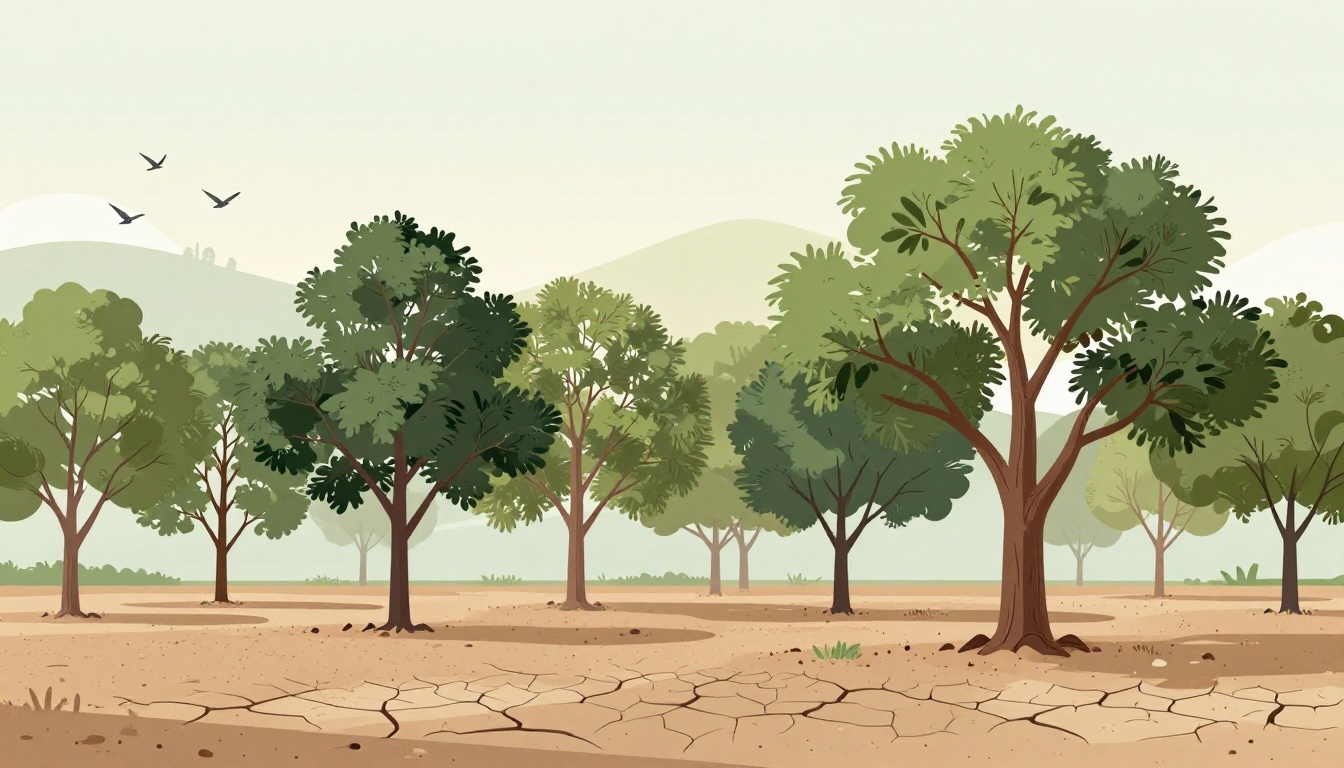
Picture this: a dusty, empty lot in Pasadena once baked under the California sun. City planners picked tough native trees, planted them smart, and now that spot bursts with green shade and birdsong. Their urban forest plan shows what happens when you match trees to the land just right.
You want that kind of win for your afforestation project. Picking the wrong trees leads to high death rates, wasted money, and few benefits like carbon storage or soil hold. The right ones thrive, fight erosion, boost wildlife, and lock away carbon for years. In 2026, projects stress tree mixes to build strong forests against pests, storms, and drought.
This guide walks you through it. First, assess your site’s climate, soil, and slopes. Next, align trees with goals like carbon pull or biodiversity. Then, favor natives for real staying power. You’ll learn to skip big mistakes and draw lessons from fresh wins like New York’s tree giveaways. Let’s get your project rooted right.
Start by Matching Trees to Your Land’s Conditions
Site checks come first. Trees fail fast if they don’t fit the spot. Follow the “right tree, right place” idea. It boosts survival to over 80 percent in tough spots.
Start with basics. Note sun, wind, and water flow. Local extension offices offer free help. They guide you on tests and matches.
For example, drought hits many US areas now. Pick trees that handle dry spells. Deep roots help on hills. Shallow soils need compact growers.
The USDA Northern Forests Climate Hub guide outlines steps to factor in changing weather. It includes checklists for your site’s future fit.
Check Climate and Weather Patterns First
Climate sets the rules. Hot summers? Go for heat lovers. Freezing winters demand cold-hardy picks.
Research your area’s data. Use NOAA sites for rain averages, highs, and lows. Expect shifts; 2026 trends show drier West and wetter East in spots.
Drought-tolerant natives shine. Oaks in California take dry years. Maples hold up in Midwest chills. Avoid fire-prone types like eucalyptus or thick-bark pines in dry zones. CAL FIRE pushes low-fuel locals that shed leaves clean.
Pine needles build fire ladders. Palms drop fronds that ignite easy. Instead, select open-crown trees with thick bark. They survive embers better.
Check hardiness zones too. USDA maps update yearly. A tree off by one zone drops 50 percent survival odds.
Local records matter. Past droughts or floods shape picks. In short, match weather history and forecasts first.
Test Soil Quality and Slope Stability
Soil tells the next story. Grab a shovel or kit. Check texture: sand drains fast, clay holds water.
pH swings kill roots. Test kits cost under $20 at stores. Aim for 6.0 to 7.5 for most trees. Add lime or sulfur if off.
Nutrients count. Low nitrogen stunts growth. Free county tests spot lacks. Natives often fit poor soils best; they evolved there.
Slopes add risk. Erosion strips new plants. Pick deep-rooted types like walnuts or hickories. They grip soil tight.
On steep grades, space trees wide. Let roots spread. Assisted natural regrowth beats full planting sometimes. Scatter seeds from locals.
The NRCS Land Evaluation guide rates sites for tree work. It factors soil and lay for smart starts.
Drainage seals it. Wet feet rot roots. Raised beds help low spots. Dry ridges need water holders.
Pick Trees That Deliver on Your Project Goals
Goals drive choices. Carbon focus? Go dense but mixed. Biodiversity? Spread species wide.
Balance them. One aim often serves others. Erosion control pairs well with natives.
Use this table to match:
| Goal | Key Practice | Example Trees (US Regions) |
|---|---|---|
| Carbon Storage | Diverse, low density (max 10k/ha) | Oaks, pines (East/South) |
| Biodiversity | 10-20-30 rule | Maples, cherries, hickories |
| Erosion Control | Deep roots on slopes | Alders, willows (West) |
This setup maximizes wins. Density stays low to cut competition.
Regional tweaks help. South picks heat lovers. North goes cold tough.
Maximize Carbon Sequestration with Smart Choices
Carbon projects need steady growers. Diverse mixes store more over time. Monocultures crash from bugs.
Oaks pull 48 pounds a year after 10 years. Mix with pines for balance. Space at 10 by 10 feet.
Avoid fast exotics. They peak quick but rot soon. Natives last decades.
Monitor growth. Thin crowds early. Healthy trees grab more CO2.
Build Biodiversity Using Proven Rules
Diversity fights wipeouts. The 10-20-30 rule sets limits: no more than 10 percent one species, 20 percent one genus, 30 percent one family.
For 100 trees, max 10 of any kind. Say, 10 red oaks, not 20. Cap maples at 20 total.
This spread draws birds, bugs, and bats. Past ash borer kills show why. One pest took monoculture stands.
Aim under 40 percent any group. Track with simple spreadsheets.
Fight Erosion on Tough Terrain
Slopes demand anchors. Deep roots bind soil. Willows suck water, stabilize banks.
Plant in rows across hill lines. Mulch bares to hold dirt.
Natives lead here. They regrow fast after slides. Prioritize seed scatter over plugs sometimes.
Go Native Whenever Possible for Real Resilience
Natives win big. They feed local wildlife, dodge pests, and match weather shifts.
Exotics fill gaps only, under 30 percent. Pick non-invasive ones. Skip Bradford pears; they spread wild.
Mid-Atlantic bans certain invaders. Delaware pushes natives via grants.
Natives resist drought better. Thick bark shrugs fires. 2026 California trends favor low-flame locals over gum trees.
Source smart. Seed banks stock pure stock. New York’s 25M Trees program hands out free tulip poplars and such.
Naturalized count okay if proven. They blend without harm.
Compare quick:
Natives support 100 times more species than imports. Pests skip them mostly.
Plant them young. They catch up fast.
Dodge These Pitfalls That Doom Most Projects
Many projects flop from simple slips. Wrong site match kills half. Fix: assess first, as above.
Low diversity invites bugs. One disease sweeps all. Use 10-20-30.
Too many exotics brings invasives. They choke natives. Cap at 30 percent.
High density starves roots. Crowds compete; thin to 400 per acre.
Fire-prone picks burn hot. Pines ladder flames. Swap for oaks.
Ignore safety risks falls. Check overhead lines.
Spot these early. Fixes tie back to site and goal steps.
See Success in Action from Recent Projects
Pasadena swapped fire-risk cypress for bay laurels. They applied 10-20-30, hit 90 percent survival. Shade cooled streets 5 degrees.
Delaware’s TEDI grants fund natives. Groups plant oaks and cherries on farms. Erosion dropped, birds returned.
New York’s 25M Trees gives saplings free. 2026 events hit rural spots. Mixes follow diversity pushes; millions root now.
Plant-for-the-Planet sets global bars. US sites use their monitor rules: natives, wide space, local input. Carbon tracks real.
These show patterns. Assess deep. Mix wide. Go native heavy. Start small, scale up.
Lessons stick: involve locals, track year one, adjust.
Ready to Plant Your Green Legacy
Assess your site tight. Match trees to goals like carbon or erosion. Lean native for toughness. Skip pitfalls with diversity and smart density.
Check 2026 local plans now. Many offer free trees or advice. Start with a test plot; grow from there.
Contact extension agents today. Share your wins in comments below. Imagine your land green and strong for decades. That future starts with one right tree.