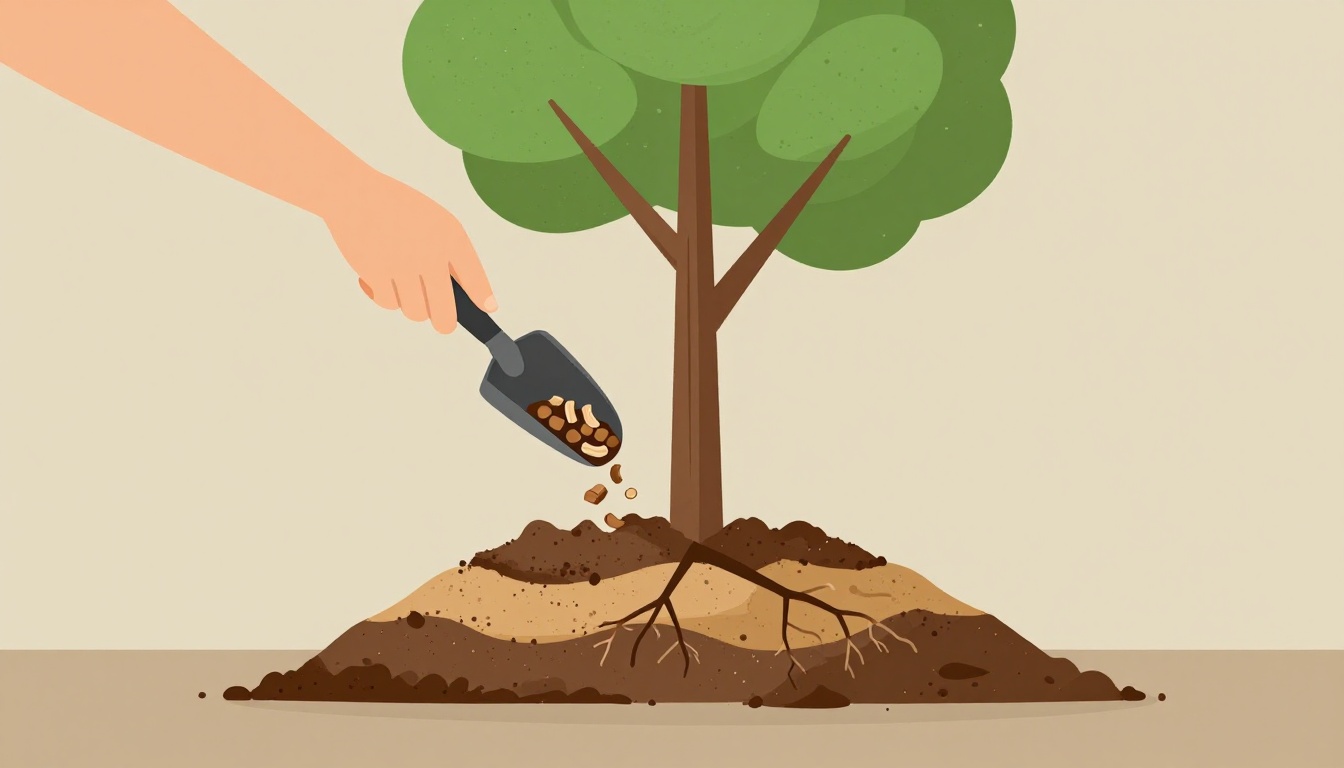
You plant a tree with high hopes. It promises shade and beauty for years. But months later, leaves wilt and branches droop. The culprit? Poor soil that chokes roots with too little air, water, or nutrients.
Trees need balanced soil to thrive. Clay traps moisture and drowns roots. Sand lets everything drain away fast. Compacted dirt blocks growth. These issues starve your tree and invite disease. Yet you can fix them.
This guide shows how to deal with poor soil in tree planting areas. You’ll spot warning signs by hand. Run quick home tests. Apply targeted fixes. Then build soil health for the long haul. We draw from 2026 sustainable tips like arborist wood chips and wool pellets. No fancy gear needed. Just simple steps anyone can follow. Turn that lousy dirt into a tree haven. Let’s start with the basics.
Spot the Telltale Signs of Soil That’s Not Tree-Friendly
Poor soil shows itself fast if you know where to look. Grab a handful from your planting spot. Feel its texture. Poke it with a tool. These checks reveal problems before you dig in.
Compacted soil resists everything. Water pools on top. Grass roots stay shallow. Trees suffer because roots can’t spread for air or moisture. Early detection saves your plants and cash.
Clay feels sticky when wet. It holds a ball shape in your hand. Rub it; it shines. This heavy stuff clogs drainage. Roots rot in the wet mess.
Sand crumbles right away. It feels gritty between fingers. Water vanishes quick. Nutrients wash out too. Trees stay thirsty despite watering.
pH swings hurt worst. Acidic soil tastes sour and sits below 6.0. Alkaline feels bitter above 7.0. Both lock up food trees crave. Most prefer 6.0 to 7.0 range.
Does your soil act like concrete? Check now. Spot these signs early. You’ll plant smarter.
Compacted Ground That Roots Can’t Penetrate
Compaction packs soil tight. It feels rock-hard underfoot. A screwdriver won’t sink 3 to 6 inches deep.
Roots circle near the surface. They starve for oxygen. Trees grow weak and tip over in storms. Water runs off instead of soaking in.
Push a tool in deep. If it fights back, you’ve got compaction. Common after construction or heavy traffic.
Heavy Clay That Traps Water and Smothers Roots
Clay sticks when moist. Squeeze it into a ribbon. It won’t break easy.
Poor drainage leads to rot. Roots suffocate in soggy conditions. You’ll see yellow leaves and stunted growth.
Low spots in yards often hide clay. Dig a bit to confirm.
Loose Sand That Lets Nutrients Wash Away
Sand slips through fingers. It dries in minutes after rain.
Trees guzzle water with few results. Nutrients vanish fast. Growth stays puny.
Beach areas or old fields show this trait.
Off-Balance pH Making Food Unavailable
Test pH with cheap litmus paper. Below 6.0 means acid. Above 7.0 signals alkaline.
Either way, trees can’t grab iron or phosphorus. Leaves yellow despite fertilizer.
Most trees like neutral ground. Adjust based on your reads.
Run These Easy Tests to Diagnose Your Soil Issues
Tests give facts. No guesswork. Start with home methods. They cost nothing but time.
You’ll know your soil type in a day. Then fix it right for trees. Test spots across the yard. Soil varies even close by.
Jar tests show texture. Drainage checks flow. Simple digs spot compaction. Labs fill in nutrients later.
Build on those signs you spotted. Get precise now.
Jar Test: Reveal Your Soil’s Texture Mix
Fill a jar halfway with soil. Add water to the top. Shake hard for a minute.
Let it settle 24 hours. Layers form: sand at bottom, silt middle, clay on top.
Measure each. Over 40% clay? Amend heavy. Sandy bottom heavy? Boost organics.
Drainage Test: Check If Water Moves Freely
Dig a 12-inch deep hole. Fill it with water. Let it drain.
Refill and time it. Over four hours to empty? Drainage stinks. Roots will drown.
Good soil drains in one to two hours.
Pro Lab Check for Full Nutrient Picture
Grab soil from six spots. Mix in a bag. Send to your local extension service.
For details on sampling, check this University of Florida guide on soil testing for home landscapes. Reports show pH, nitrogen, and more.
Results guide lime or fertilizer needs. Cheap or free in most states.
Targeted Fixes to Amend Poor Soil for Strong Tree Roots
Amend smart. Dig holes three times wider than the root ball. Match depth to root flare.
Mix fixes into native soil. Don’t fill with pure amendments. Roots stay trapped otherwise.
Add organics always. Compost or leaves work best. Water deep after planting. Mulch thick.
Slightly better native beats perfect imported dirt. Roots explore outward.
Loosen Up Stubborn Clay Soil
Till 6 to 12 inches deep first. Add 1 to 2 inches compost or leaves. Work it in.
Build a mound with gravel base if wet. Top with arborist chips.
For more on prepping clay, see this Fulton County Extension post on tree planting soil.
Enrich Fast-Draining Sandy Soil
Mix in compost or worm castings. Layer yearly. Thick wood chips hold moisture.
Water slow and deep. Builds roots.
Break Apart Compacted Layers
Till lightly or use an air spade. Blend compost through.
Top with 6 to 12 inches arborist wood chips. They stop repacking.
Balance Acidic Soil with Lime
Your test shows low pH. Add 1 to 2 pounds limestone per 100 square feet.
Till it in. Retest in three months. Or plant oaks that tolerate acid.
Neutralize Alkaline Dirt Smartly
Work in sulfur or pine needles. Go slow.
Pick honey locust. They handle high pH well.
Sustainable Tricks to Build Lasting Soil Health
Ongoing care beats one-time fixes. Organics improve everything over time.
Compost feeds slow. Chips regulate moisture. Retest yearly.
2026 trends shine here. Arborist chips top lists for free gains. Wool pellets add nitrogen green way.
Sheet mulching skips digging. Layers build soil natural.
Layer on Organic Matter for All Soil Wins
Organics fix clay drainage. They hold water in sand. Feed microbes steady.
Use homemade compost. Grab free chips or leaves from locals.
Boost Drainage Without Digging Forever
Mound soil for trees. Add gravel bases. Cover with chips.
Plant beans as cover crops. Roots till natural.
Try 2026’s Hottest Eco-Friendly Boosters
Arborist wood chips keep soil cool and moist. Source free from tree crews. See why they’re best in this Atlanta Journal-Constitution article on tree mulch.
Wool pellets soak water and release nitrogen. Sprinkle under mulch. Check wool pellets benefits for soil health.
Sheet mulch smothers weeds. Cardboard base, then chips. Mimics forests.
You fixed the heartbreak of failing trees. Spot signs by feel. Test with jars and holes. Amend wide and shallow. Mulch for life.
Poor soil loses to smart planters. Test your spot today. Plant that tree this weekend.
Skip tiny holes or bare roots. Mulch keeps it all working.
Share your soil win in comments. Which fix will you try first? Grow strong trees ahead.