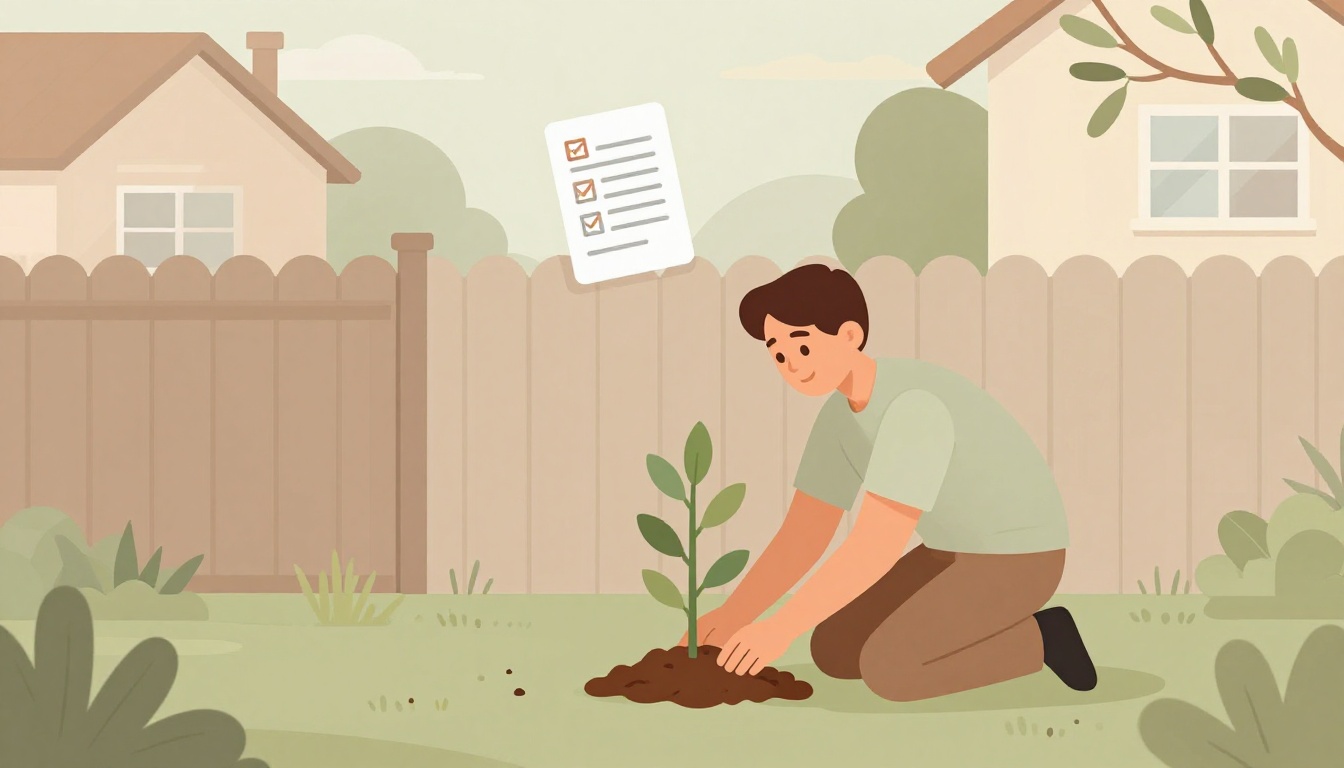
Planting trees fights climate change, cools hot neighborhoods, and helps wildlife thrive. You might picture digging a hole in your yard and watching saplings grow. But skip the rules, and you face fines, forced removal, or court battles.
Many folks jump in without checking. They plant big oaks near fences or in community spots. Then neighbors complain about roots or shade. Local codes change fast, especially with 2026 federal updates that ease green projects.
This post covers tree-planting projects permissions step by step. You’ll learn rules for private yards, public areas, protected wetlands, state differences, and simple approval steps. Let’s get you planting right.
Do You Need Approval to Plant on Private Property?
Most small tree plantings on your own land need no permit. You dig a few holes under 10 feet deep, away from wetlands. No big issues arise. But check local zoning first. Cities limit tree height, species, or numbers. Overhanging branches spark fights with neighbors.
HOAs add another layer in many spots. These groups often demand board approval. Roots might crack sidewalks. Tall trees block views. Call your city planning office for free advice. It’s quick and saves headaches.
Native trees speed things up. They fit local rules better and boost ecology. For example, a red maple in the Midwest gets nods faster than an exotic palm.
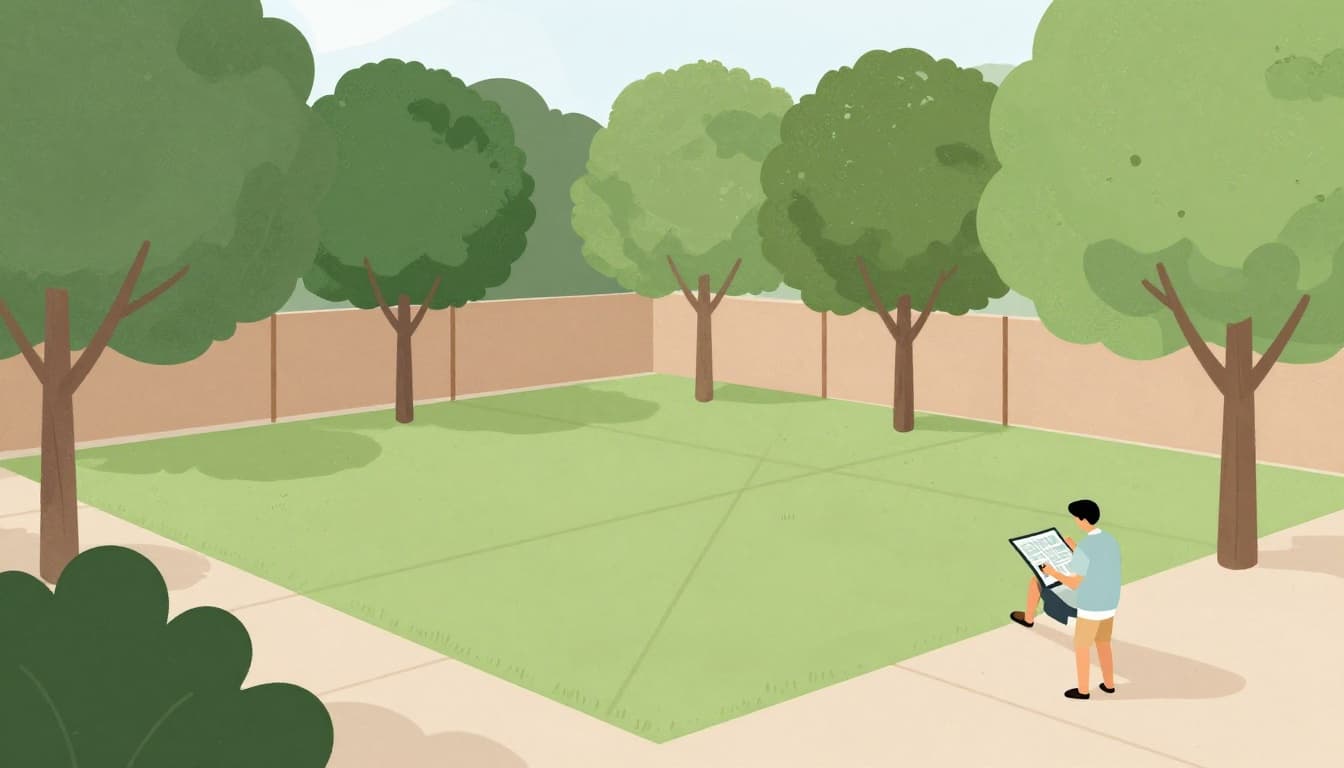
Pick spots 15 feet from property lines. That meets most setback rules. Plant diverse types for urban forest goals in places like Spokane.
Key Local Zoning Checks to Make
Start with your city website. Search for tree codes. Note protected species or distance rules from lines or structures.
Many towns push diverse planting. They want oaks, maples, and cherries mixed. Map your yard online. Tools show compliant spots.
Check Spokane’s urban forestry permits page for examples. It lists when you need approval.
Handling HOA Rules Without the Hassle
Submit plans to your HOA board. Include tree spots and species lists. Pollinator-friendly picks like serviceberry often win quick yeses.
One neighbor in Sacramento got approval in days with natives. Denials happen for big growers near patios. Switch to dwarf varieties. Problem solved.
Public Spaces and Urban Areas: Securing Public Permits
Public plantings need city or county okay. Target roadsides, parks, or medians. Contact parks departments early.
These spots disturb soil. EPA stormwater rules apply if over one acre. Trees count as green fixes, though. They stabilize soil and soak rain.
Many cities offer online apps for community greening. Fees stay low, under $100 often. You gain free ads and grants too.
2026 rules flex more for nature projects. Check your area’s parks site.
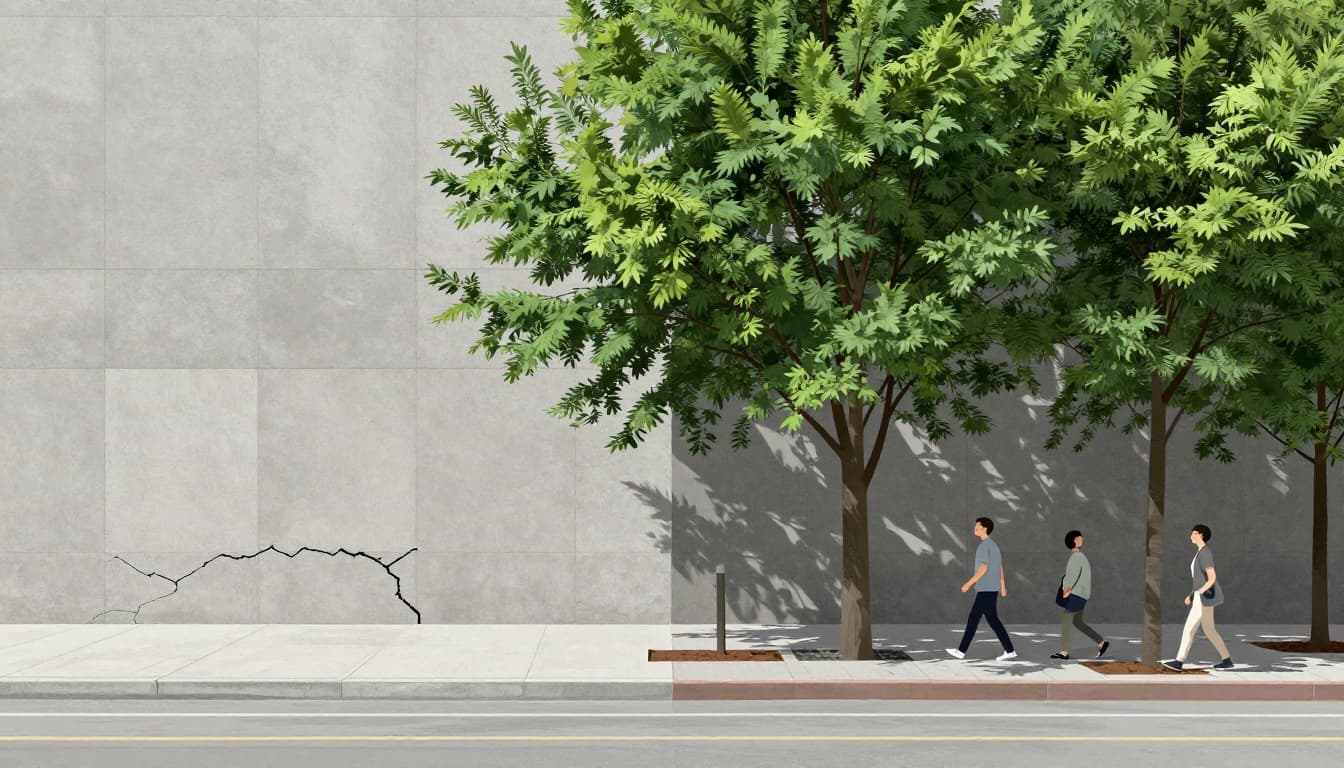
Street trees transform bare lots into shaded walks. Volunteers in San Francisco plant hundreds yearly.
See the EPA’s stormwater trees guide for urban tips.
Steps for Parks and Street-Side Planting
Call the parks department. Ask about forms and fees. Timelines run 2-4 weeks.
Schools and groups succeed big. Denver’s guide lists approved species. Follow it, get planted fast.
Understanding Stormwater Permits in Cities
EPA skips permits under one acre usually. Add erosion plans anyway. They impress reviewers.
Bundle trees with cleanups. Cities like Oakland approve faster. No big digs needed.
Protected Lands: Navigating Federal and State Rules
Wetlands or streams trigger federal watch. The US Army Corps of Engineers handles it. 2026 Nationwide Permits cover low-impact work.
No direct tree permit exists. But NWP 43 fits stormwater spots with trees. NWP 27 aids habitat restoration planting.
Use disease-free stock from USDA-approved nurseries. States vary. New York pushes locals for its tree goals.
Consult your Corps district early. State DECs help too. Climate projects get priority now.
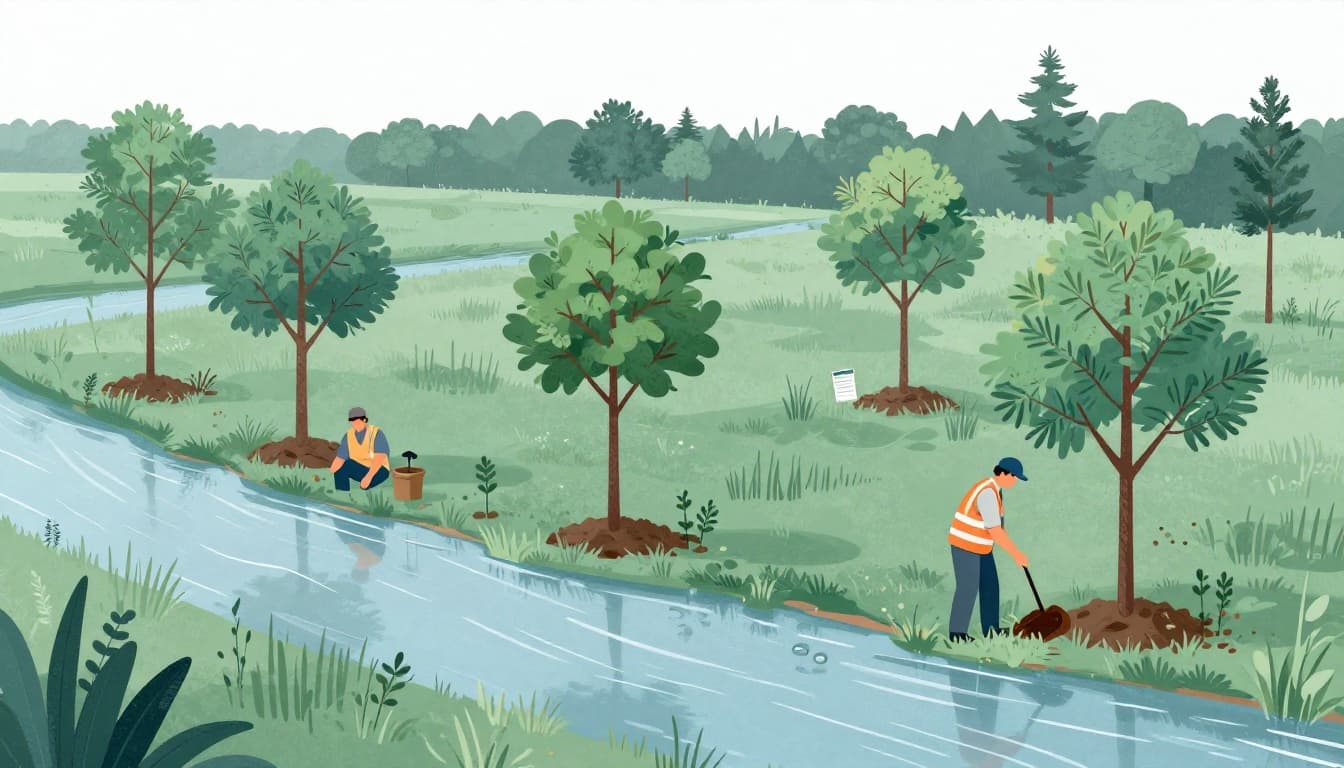
Workers plant carefully near water. Follow rules, avoid delays.
Check the USACE 2026 Nationwide Permits announcement.
Federal Wetland and Stream Permits Made Simple
File pre-construction notice for small jobs. Eco projects fast-track.
Corps sites have forms. Limits stay at 0.1 acre for notices.
State Laws and 2026 Updates You Should Know
New York eases forest rules. It favors local stock for planting pushes. Find your state’s forestry page online.
DEC outlines help communities. Pinellas County simplified removals and replants this year.
Smart Steps to Get Permissions and Plant with Confidence
Follow these steps for smooth approvals.
- Identify your land type. Private yard? Public strip? Wetland edge?
- Research sites. Hit city, state, or federal pages.
- Gather plans. Sketch spots, list natives.
- Submit early. Use online portals.
- Follow up weekly.
Avoid invasives or winter digs. Partner with nonprofits like Arbor Day. They guide you.
Document all. Photos prove compliance.
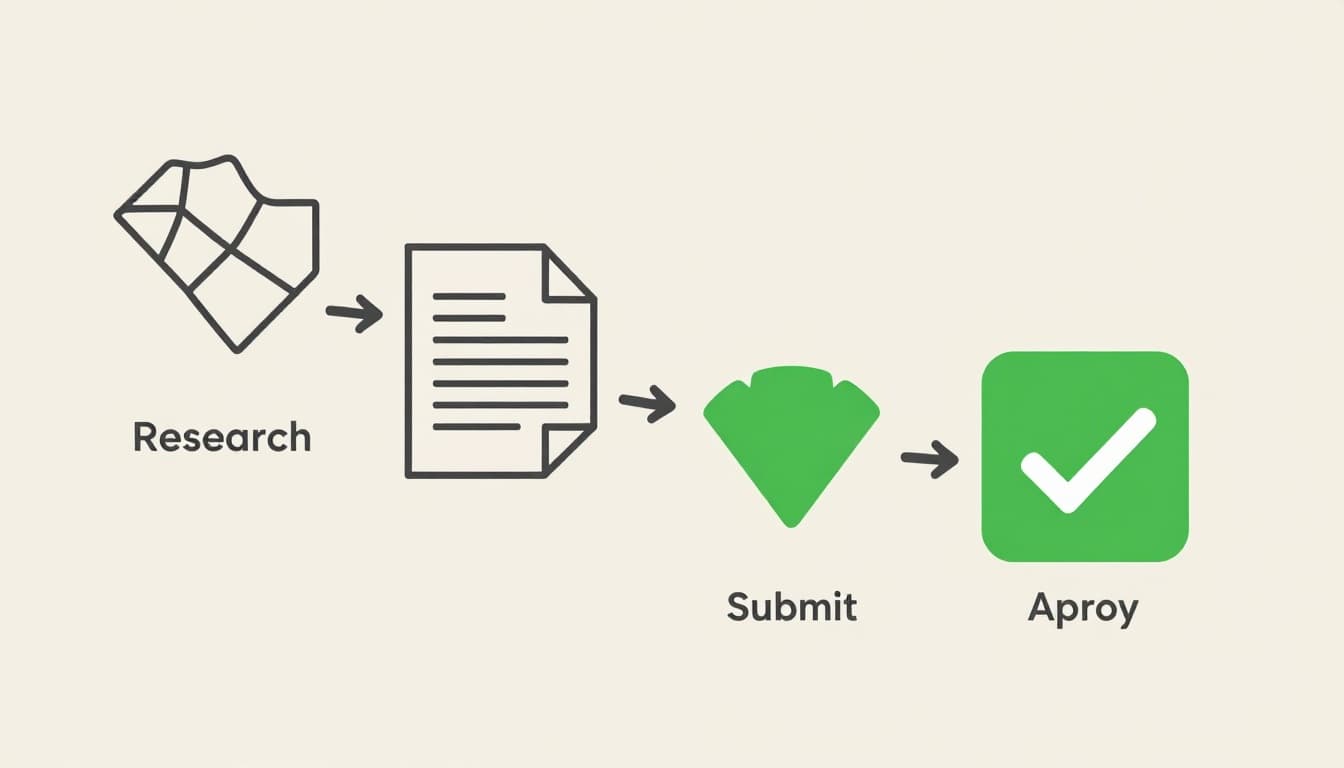
This flow keeps you on track.
Private spots need zoning peeks. Public asks parks nods. Protected lands want Corps checks.
Rules shift by town. Verify yours today.
Start small in your yard. Join city programs next. Share your wins in comments. What tree will you plant first?
Your trees cool air and shelter birds. Plant legal, watch impact grow.