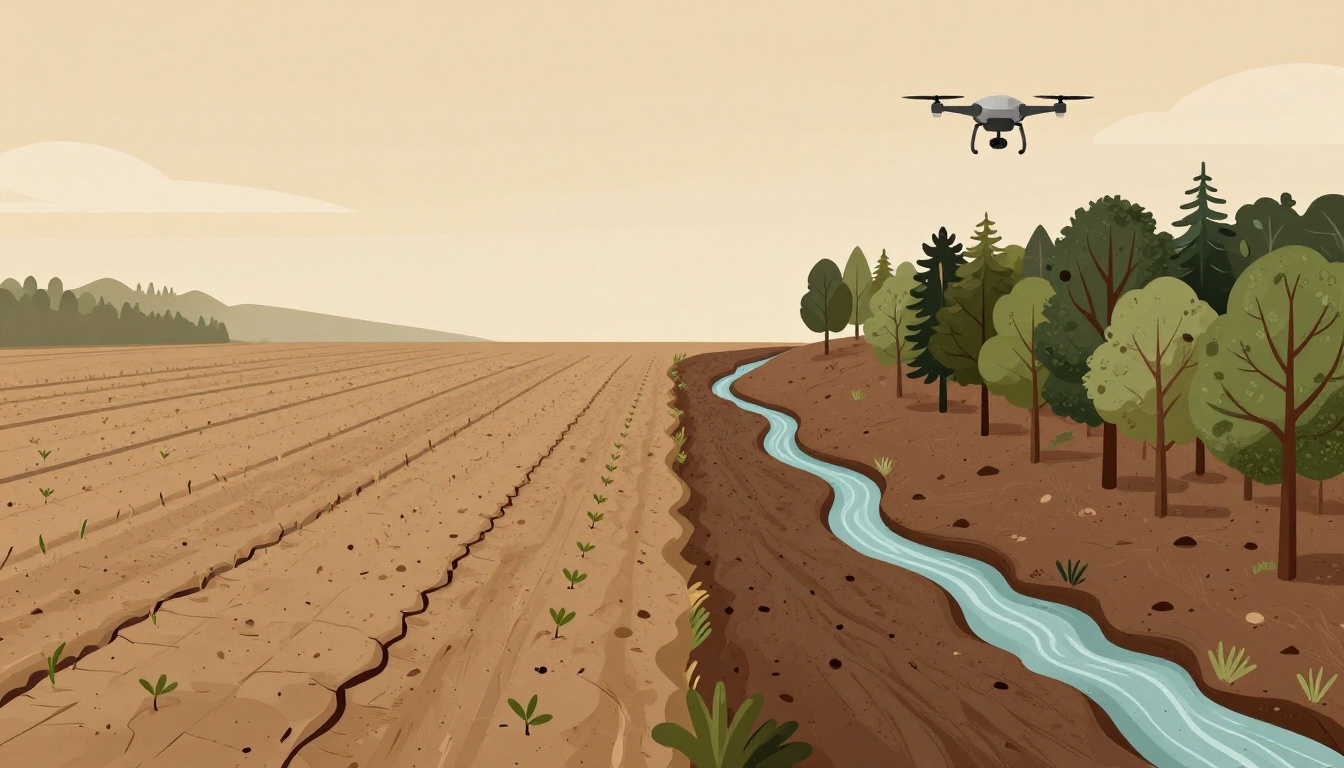
Picture this: a team plants thousands of trees on dusty farmland. Six months later, most die from poor soil and no water. Meanwhile, another group picks a nearby slope with good drainage. Their forest thrives, stores carbon, and boosts local wildlife. That difference comes down to site choice.
Afforestation means planting trees on land bare of forest for generations, like old fields or worn-out pastures. You turn treeless spots green again. Location sets the stage. It affects survival rates, growth speed, and benefits like carbon capture or erosion control. Pick wrong, and you waste time and money. Pick right, and trees lock away CO2 while supporting life.
We’ll walk through key steps. First, check soil, climate, water, and terrain. Next, focus on biodiversity. Then, handle legal and social sides. Finally, avoid pitfalls with real success stories. In 2026, tools like drones and AI make smart picks easier. Follow this, and your project builds lasting forests.
Evaluate Soil, Climate, Water, and Terrain First
Site basics decide if trees take root. Soil feeds them. Climate shapes growth. Water keeps them alive. Terrain eases planting. Skip checks, and failure follows fast.
Start with soil. Test pH between 5.5 and 7.5 for most natives. Check nutrients like nitrogen and drainage. Texture matters too; loamy beats heavy clay. Erosion risks kill young roots, so spot gullies early.
Use simple tools or tech. Dig samples. Feel for grit or stickiness. Cheap pH kits from stores work fine. In 2026, apps analyze photos for quick reads.
Climate fits next. Match trees to average temps and rain. Natives handle local swings best. For example, oaks need 30 inches yearly; pines take drier spots.
Water supply counts. Ensure steady access without robbing streams or aquifers. Check nearby sources.
Terrain wraps it up. Gentle slopes under 15% drain well and plant easy. Stay near seed sources like wood edges for natural spread.
Soil Testing Basics You Can Do Yourself
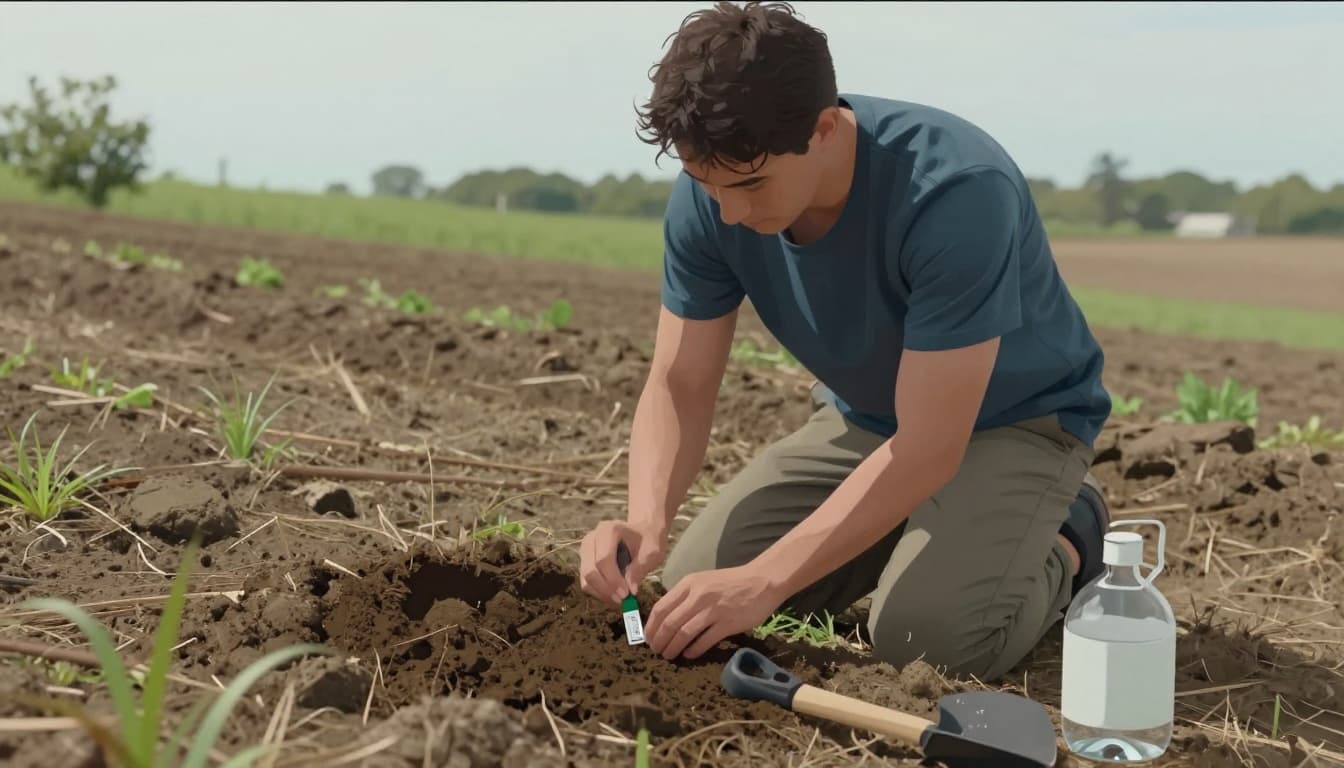
Grab a shovel. Dig 6 inches deep. Squeeze the dirt. Sandy crumbles; clay sticks.
Color hints health. Dark means organic matter. Red flags iron issues. Test pH with strips; turn color against the chart.
Poor soils doom seedlings. Alkaline spots burn roots. Nutrient shortages stunt growth. Fix with amendments, but prevention beats cure.
AI apps speed this. Snap a photo; get a report in seconds.
Matching Climate and Water Needs
Calculate aridity. Divide rain by evaporation. Under 0.5 spells dry; pick drought-tough trees.
Rain thresholds guide choices. Maples want 40 inches plus. Pines manage 20. Use USDA climate guides for tree planting to match futures.
Groundwater maps show limits. Avoid overdraw; it dries wells.
Picking the Best Slopes and Layouts
Flat to 15% slopes shine. Water soaks in; roots grip.
Proximity aids. Plant near forests; seeds fly in. Winds carry pollen too.
Layout clusters mimic nature. Rows fail against storms.
| Site Feature | Good Choice | Bad Choice |
|---|---|---|
| Slope | 0-15% | Over 30% |
| Soil pH | 5.5-7.5 | Under 5 |
| Rainfall | 25+ inches | Under 15 |
| Water Access | Nearby stream | None |
This table shows quick wins. Test sites first. Save cash later.
Prioritize Biodiversity and Ecosystem Health
Diverse natives outperform rows of one type. They store 30-50% more carbon. Pests skip crowds. Roots hold soil tight.
Pick bare or low-weed land. Never clear native woods; that harms more than helps. Remove invasives by hand first.
Follow Ten Golden Rules for reforestation. Know local setups. Use natives. Mix ages and types.
Multifunctional spots aid wildlife corridors and clean water. Avoid monoculture traps.
Spotting Sites Ready for Native Trees
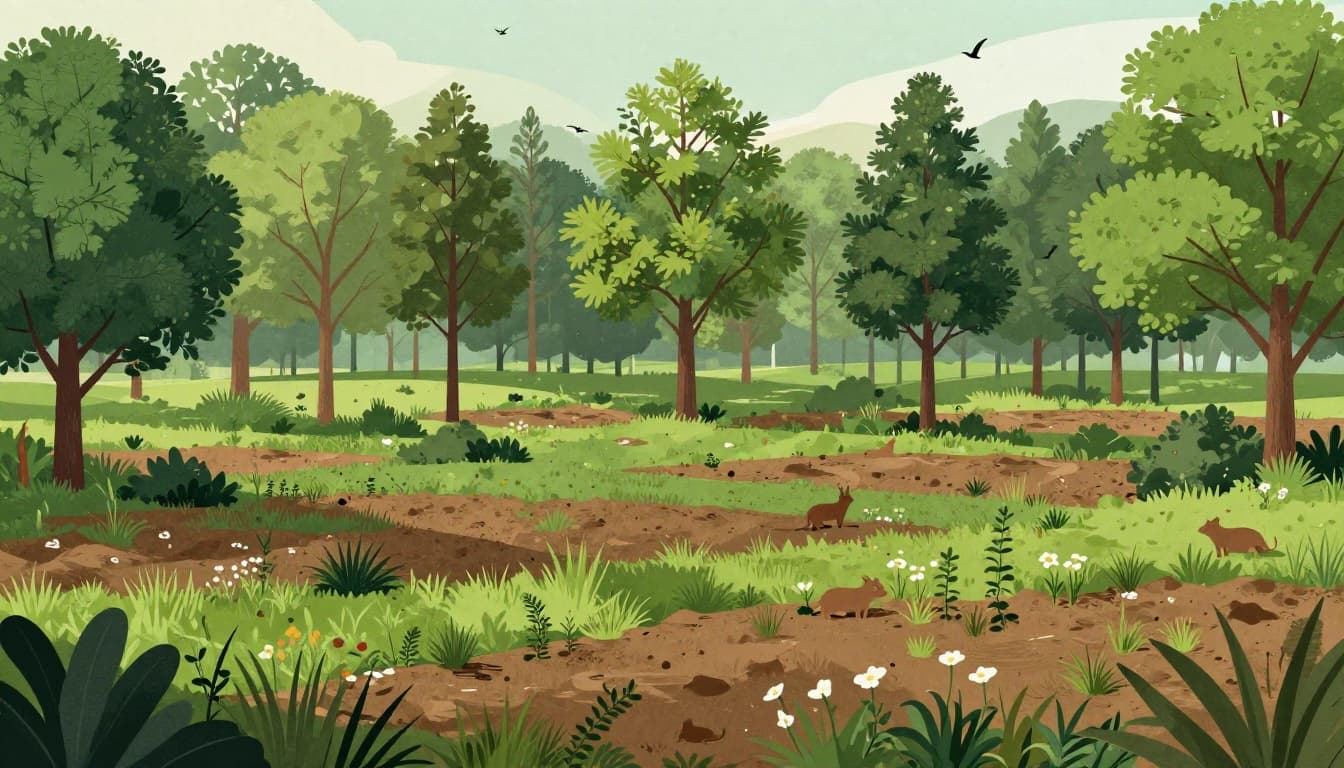
Scan for degraded fields. Few invasives mean easy starts. Drones list species fast.
Low grass or shrubs signal readiness. Bare soil invites pioneers.
Building Diversity from Day One
Mix 5-10 species. Source seeds from near sites; they adapt best.
Plant in patches. Shrubs under trees build layers. This draws birds and bugs quick.
Tackle Legal, Social, and Economic Hurdles
Communities make or break projects. Involve them early. They offer jobs and land knowledge. Share profits from carbon credits, now at $22 per ton average.
Get permits. Check zoning; skip farms or wetlands. Align with UN Goal 15 for life on land.
In 2026, Verra VCS Version 5 sets rules. Monthly checks prove survival. Gold Standard adds integrity.
Compensate lost crops. Track via apps.
Winning Over Local Communities
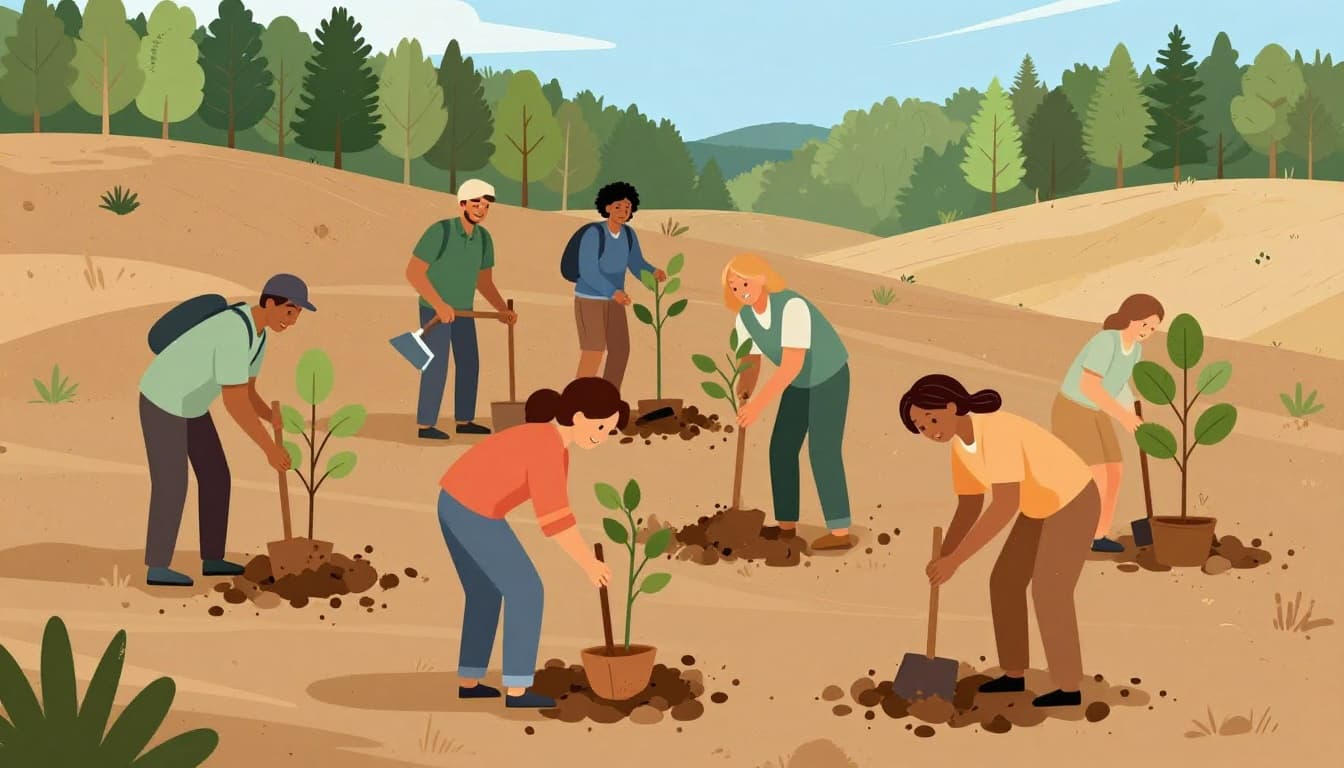
Share plans. Hold meetings. Let them pick spots.
Tie benefits close. Jobs pay bills. Updates build trust.
Navigating Laws and Certifications
Follow 32 Plant-for-the-Planet standards. Get audits.
Use Verra’s updated VCS for credits. Experts verify.
Dodge Common Mistakes and Copy Success Stories
Wrong trees flop. No tests waste seeds. Ignore water, and drought wins. Skip people, conflicts brew.
Fix with plans. Test small plots first.
Kenya’s TIST program plants farmer-led. It sequesters 93k tons CO2 yearly. Locals monitor trees.
Ethiopia’s Humbo restores degraded land. Communities manage; forests return fast. See Humbo details here.
New tech shines. Drones map soil. AI picks matches.
Top Errors That Kill Projects
Plant mismatched species. Solution: test locals first.
Skip soil checks. Dig and probe always.
Poor ties hurt. Meet neighbors early.
Real-World Wins to Inspire You
TIST in Kenya grows 10 million trees. Farmers lead small groups. Learn the TIST model.
Humbo greens hills. Assisted regrowth pays communities.
Keys: locals first, natives, monitoring.
Assess soil and climate. Boost diversity. Secure buy-in. Study wins.
Start small. Test one acre. Grab free satellite maps online.
Plant natives. Track monthly. Join Verra for credits and cash.
Right spots build forests. They fight warming, spark jobs, and green lands by 2030. Your plot starts the change. Ready to dig in?